1. Specifications Comparison
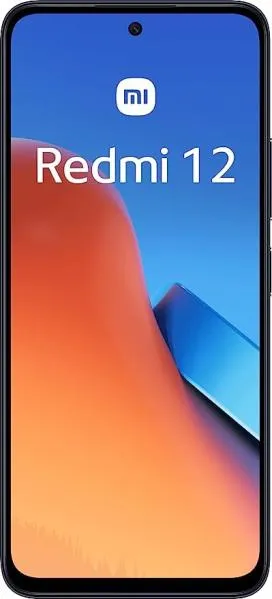
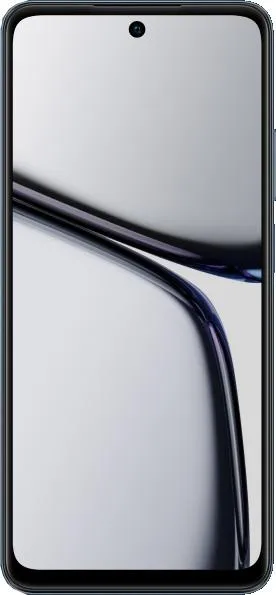
| Feature | Xiaomi Redmi 12 | Realme C65 | Practical Impact |
|---|---|---|---|
| Design | |||
| Dimensions (mm) | 168.6 x 76.3 x 8.2 | 164.6 x 76.1 x 7.6 | Redmi 12 is slightly taller and thicker. Negligible difference in daily use. |
| Weight (g) | 198.5 | 185 | Realme C65 is noticeably lighter, improving one-handed use and portability. |
| Display | |||
| Size (inches) | 6.79 | 6.67 | Redmi 12 has a marginally larger screen. |
| Resolution (px) | 1080 x 2460 | 720 x 1604 | Significant difference: Redmi 12 offers much sharper visuals, better for media consumption and gaming. Realme C65's lower resolution will result in pixelation. |
| PPI | 396 | 264 | Reinforces the sharpness difference; Redmi 12's text and images will be significantly clearer. |
| Refresh Rate (Hz) | 90 | 90 | Both offer smooth scrolling and animations. |
| Display Type | IPS LCD | IPS LCD | Similar color accuracy and viewing angles expected. |
| Performance | |||
| Chipset | Mediatek Helio G88 | Mediatek Helio G85 | Marginally different chipsets; G88 should offer slightly better performance, though real-world difference might be minimal. |
| CPU | Octa-core (2x2.0 GHz Cortex-A75 & 6x1.8 GHz Cortex-A55) | Octa-core (2x2.0 GHz Cortex-A75 & 6x1.8 GHz Cortex-A55) | Identical CPU configurations. |
| GPU | Mali-G52 MC2 | Mali-G52 MC2 | Same GPU, but Redmi 12's slightly faster clock speed (inferred from a separate search) could yield minor gaming advantages. |
| RAM (GB) | 4/8 | 6/8 | Realme C65 base model offers more RAM, beneficial for multitasking and app switching. |
| Camera | |||
| Main Camera (MP) | 50 | 50 | Similar megapixel count, but image quality depends on sensor and processing. |
| Other Cameras | 8MP ultrawide, 2MP macro | 2MP depth sensor | Redmi 12 offers greater versatility with an ultrawide lens. Realme C65's depth sensor aids in portrait mode. |
| Video Recording | 1080p@30fps | 1080p@30fps | Both offer basic video recording capabilities. |
| Battery | |||
| Capacity (mAh) | 5000 | 5000 | Similar battery capacities; actual battery life depends on software optimization and usage patterns. |
2. Key Differences Analysis
Xiaomi Redmi 12 Advantages:
- Significantly Sharper Display: The higher resolution display is a major advantage for media consumption, gaming, and overall user experience.
- Ultrawide Camera: Offers more versatile photography options compared to the Realme C65.
- Potentially Slightly Better Performance: While minimal, the G88 and potentially faster GPU clock speed might give the Redmi 12 an edge in demanding tasks.
Realme C65 Advantages:
- Lighter and More Compact: Noticeably lighter weight improves handling and portability.
- Higher Base RAM: 6GB RAM in the base model allows for smoother multitasking.
3. User Profiles & Recommendations
Xiaomi Redmi 12: Ideal for users who prioritize display quality and media consumption. Suitable for:
- Casual gamers: The sharper display and potentially better performance enhance the gaming experience.
- Content consumers: Watching videos and browsing photos will be more enjoyable on the higher resolution screen.
Realme C65: Suitable for users who prioritize a lightweight phone and basic functionality. Best for:
- Budget-conscious users: May offer a slightly better value if display quality is not a primary concern.
- Users prioritizing portability: The lighter weight is beneficial for extended use and carrying in pockets.
4. Decision Framework
Key Questions for Buyers:
- How important is display quality? If a sharp, crisp display is crucial, the Redmi 12 is the clear winner.
- What is your budget? Consider the price difference between the RAM/storage configurations.
- Do you prioritize portability and one-handed use? If so, the lighter Realme C65 is preferable.
Scenario-Based Recommendations:
- Limited Budget, Basic Use: Realme C65 might be a better value option.
- Focus on Media Consumption: Redmi 12 is the clear choice due to the superior display.
- Gaming on a Budget: Redmi 12 provides a slightly better gaming experience due to the screen and potential performance edge.
My Choice: Xiaomi Redmi 12
Reasoning: The significantly sharper display of the Redmi 12 is a deciding factor for me. While the Realme C65 offers a lighter design and more base RAM, the difference in display resolution dramatically impacts the daily user experience. I value clear visuals for media consumption, browsing, and even general phone use. The potential performance advantage and the ultrawide camera further solidify the Redmi 12 as the better overall package for my needs. The slightly heavier weight is a trade-off I'm willing to make for the superior screen. I also consider the price difference negligible given the substantial display upgrade.
