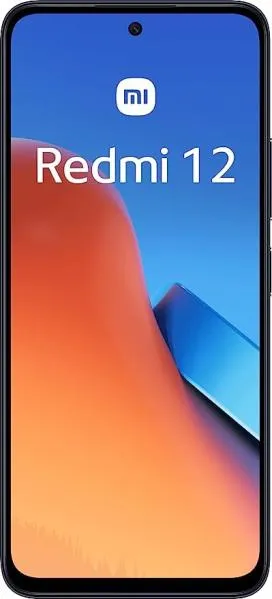
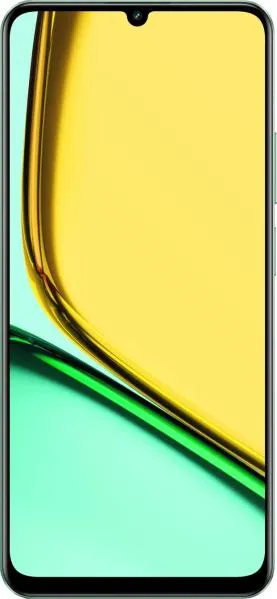
1. Specifications Comparison
| Feature | Xiaomi Redmi 12 | Realme C61 | Practical Impact |
|---|---|---|---|
| Design | |||
| Dimensions (mm) | 168.6 x 76.3 x 8.2 | 167.3 x 76.7 x 7.8 | Redmi 12 is slightly taller and thicker. Negligible difference in daily use. |
| Weight (g) | 198.5 | 188 | Realme C61 is slightly lighter, enhancing one-handed use. |
| Build | Not specified | Not specified | Build quality impact on durability and premium feel cannot be assessed. |
| Display | |||
| Size (inches) | 6.79 | 6.74 | Negligible size difference. Both offer large screens for media consumption. |
| Resolution (px) | 1080 x 2460 | 720 x 1600 | Redmi 12 has a significantly sharper display, resulting in clearer text and images. Realme C61's lower resolution might appear pixelated. |
| Display Type | IPS LCD, 90Hz | IPS LCD, 90Hz | Both offer smooth scrolling and animations thanks to the 90Hz refresh rate. However, color accuracy and brightness might vary due to unspecified peak brightness values for both. |
| PPI | 396 | 260 | Redmi 12 offers a much higher pixel density, leading to sharper visuals and text. |
| Performance | |||
| Chipset | Mediatek Helio G88 (12nm) | Unisoc Tiger T612 (12nm) | Both use 12nm chipsets, suggesting comparable power efficiency. Performance differences require further benchmarking analysis as clock speeds alone don't tell the whole story. |
| CPU | Octa-core (2x2.0 GHz Cortex-A75 & 6x1.8 GHz Cortex-A55) | Octa-core (2x1.8 GHz Cortex-A75 & 6x1.8 GHz Cortex-A55) | Redmi 12 has slightly faster Cortex-A75 cores, potentially offering a slight edge in demanding tasks. Real-world difference might be minimal. |
| GPU | Mali-G52 MC2 | Mali-G57 | GPU model numbers suggest differences in graphical capabilities, but performance comparison requires further benchmarking data. |
| RAM | 4GB/8GB | 6GB | Realme C61's 6GB RAM offers better multitasking and app switching compared to the Redmi 12's base 4GB variant. The 8GB variant of Redmi 12 matches the Realme in this aspect. |
| Camera | |||
| Rear Camera | 50MP Main, 8MP Wide, 2MP Macro | 32MP Main, 2MP Depth | Redmi 12 boasts higher resolution sensors for the main and wide-angle cameras, potentially capturing more detail. Practical image quality depends on sensor size, aperture, and software processing, which are partially unspecified. |
| Front Camera | 8MP | 5MP | Redmi 12 has a higher resolution front camera for potentially better selfies. |
| Battery | |||
| Capacity (mAh) | 5000 | 5000 | Both have the same battery capacity, but actual battery life depends on software optimization and hardware efficiency. |
| Other | |||
| NFC | Yes | No | Redmi 12 supports contactless payments and data transfer via NFC, while Realme C61 does not. |
| Price Range | Medium | Low | Realme C61 is positioned as a more budget-friendly option. |
| OS | Android 13 | Android 14 | Realme C61 ships with a newer Android version out of the box. |
2. Key Differences Analysis
Redmi 12 Advantages:
- Sharper Display: Significantly higher resolution and PPI for a crisper viewing experience.
- Higher Resolution Cameras: Potentially better image quality with the 50MP main and 8MP wide-angle cameras.
- NFC: Enables contactless payments and data transfer.
Realme C61 Advantages:
- Lower Price: More budget-friendly option.
- Newer Android Version: Ships with Android 14, offering potential software features and security updates.
- Slightly Lighter: More comfortable for one-handed use.
Trade-offs:
- Redmi 12: Higher price for better display and camera.
- Realme C61: Lower resolution display and less versatile camera system for a lower price.
3. User Profiles & Recommendations
Redmi 12: Users who prioritize display quality, camera performance, and NFC functionality. Suitable for media consumption, mobile photography, and contactless payments.
Realme C61: Budget-conscious users who prioritize basic functionality and a newer Android version. Suitable for everyday tasks like calling, messaging, and web browsing.
4. Decision Framework
Key Questions:
- What is your budget? If price is a major constraint, the Realme C61 is the more affordable option.
- How important is display quality? If you value a sharp and clear display, the Redmi 12 is the better choice.
- Do you need NFC? If contactless payments are essential, the Redmi 12 is the only option.
My Choice: Xiaomi Redmi 12
While the Realme C61 offers a tempting price, the Xiaomi Redmi 12 provides a significantly better overall user experience due to its vastly superior display and more versatile camera system. The inclusion of NFC further enhances its practicality for daily use. The slightly higher price is justified by these tangible benefits. While I acknowledge the newer Android version on the Realme C61, software updates can be unpredictable, and the core hardware advantages of the Redmi 12 outweigh this for me. Finally, the difference in weight is negligible in real-world usage. The sharper display alone makes a significant difference in daily interaction with the phone, making the Redmi 12 the clear winner for me.
