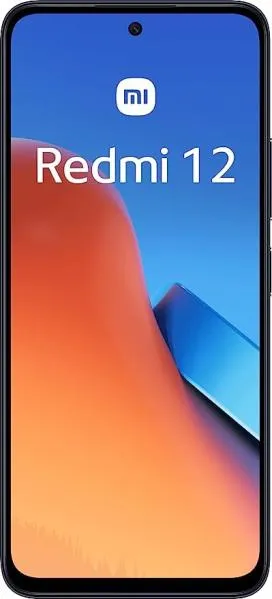
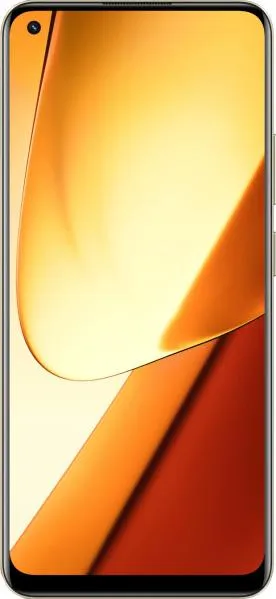
1. Specifications Comparison
| Feature | Xiaomi Redmi 12 | Realme 11 | Practical Impact |
|---|---|---|---|
| Design | |||
| Dimensions (mm) | 168.6 x 76.3 x 8.2 | 165.7 x 76 x 8.1 | Realme 11 is slightly smaller and lighter. May be more comfortable for one-handed use. |
| Weight (g) | 198.5 | 190 | Realme 11 is noticeably lighter, reducing hand fatigue during extended use. |
| Display | |||
| Size (inches) | 6.79 | 6.72 | Negligible difference in screen real estate. |
| Resolution (px) | 1080 x 2460 | 1080 x 2400 | Virtually identical sharpness due to similar pixel density. |
| Refresh Rate (Hz) | 90 | 120 | Realme 11 offers smoother scrolling and animations, beneficial for gaming and everyday use. |
| Display Type | IPS LCD | IPS LCD | Both offer good color reproduction and viewing angles but may lack the deep blacks of OLED. |
| Performance | |||
| Chipset | Mediatek Helio G88 (12nm) | Mediatek Dimensity 6100+ (6nm) | Realme 11's 6nm chipset offers significant performance and efficiency advantages over the 12nm Helio G88. Expect smoother multitasking, faster app loading, and better battery life. |
| CPU | Octa-core (2x2.0 GHz Cortex-A75 & 6x1.8 GHz Cortex-A55) | Octa-core (2x2.2 GHz Cortex-A76 & 6x2.0 GHz Cortex-A55) | Realme 11 has a more powerful CPU architecture resulting in significantly better performance for demanding tasks. |
| GPU | Mali-G52 MC2 | Mali-G57 MC2 | Realme 11's GPU offers superior graphics processing, resulting in smoother gaming and faster rendering. |
| RAM | 4GB/8GB | 8GB | Realme 11 offers more RAM in this comparison, enabling better multitasking and reducing app closures in the background. |
| Camera | |||
| Main Camera (MP) | 50 | 108 | Realme 11 boasts a much higher resolution main sensor, potentially capturing more detail. Image quality depends on sensor size, processing, and other factors not fully detailed. |
| Other Cameras | 8MP ultrawide, 2MP macro | 2MP Monochrome depth sensor | Redmi 12 offers an ultrawide lens for broader shots; Realme 11 has a depth sensor for portrait mode assistance. Practical usefulness depends on individual shooting habits. |
| Video Recording | 1080p@30fps | 1080p@30fps | Identical video resolution and frame rate. |
| Battery | |||
| Capacity (mAh) | 5000 | 5000 | Same battery capacity, but Realme 11's more efficient chipset likely translates to longer real-world usage. |
2. Key Differences Analysis
Realme 11 Advantages:
- Significantly better performance: The Dimensity 6100+ chipset and more powerful CPU/GPU combination offer a much smoother and faster user experience.
- Higher refresh rate display: The 120Hz display provides noticeably smoother scrolling and animations.
- More RAM: 8GB RAM ensures smoother multitasking and prevents apps from closing in the background.
Xiaomi Redmi 12 Advantages:
- Slightly lower price: Depending on the specific configuration, the Redmi 12 is generally more affordable.
- Ultrawide camera: Offers more versatility in photography.
- More Color Options: Offers a wider range of color choices for aesthetic preference.
Trade-offs:
- Realme 11: Higher price for significantly improved performance and display. Lacks an ultrawide camera.
- Redmi 12: Lower performance and a less smooth display for a more budget-friendly price.
3. User Profiles & Recommendations
Realme 11: Suited for users who prioritize performance, smooth display, and future-proofing. Ideal for gamers, multitaskers, and those who demand a responsive phone.
Xiaomi Redmi 12: Best for budget-conscious users who prioritize basic functionality and affordability over top-tier performance. Suitable for casual users, light multitasking, and those primarily using their phones for communication and social media.
4. Decision Framework
Key Questions for Buyers:
- What is your budget? The Redmi 12 offers better value in the lower price bracket.
- How important is performance? If you value smooth gaming, multitasking, and quick app loading, the Realme 11 is the clear winner.
- Do you prioritize specific camera features? Consider whether an ultrawide lens (Redmi 12) or higher resolution main camera (Realme 11) better suits your photography needs.
My Choice: Realme 11
While the Redmi 12 offers a tempting price, the Realme 11's superior performance due to its modern chipset, more RAM and smoother 120Hz display make it a significantly better long-term investment. The performance difference would impact daily use noticeably. While I appreciate the Redmi 12's ultrawide lens, the overall user experience offered by the Realme 11 outweighs this single advantage for me. The more efficient chip in the Realme 11 will likely result in better battery life as well, despite having the same battery capacity. A phone lasting longer, and feeling snappier, is more valuable to me.
