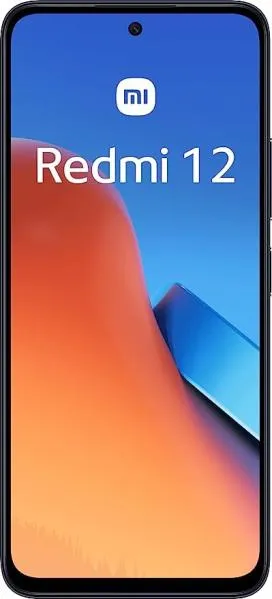
1. Specifications Comparison
| Feature | Xiaomi Redmi 12 | realme 8 | Practical Impact |
|---|---|---|---|
| Design | |||
| Dimensions (mm) | 168.6 x 76.3 x 8.2 | 162 x 75.1 x 8.7 | Redmi 12 is slightly taller and wider, realme 8 is slightly thicker. Negligible difference in everyday use. |
| Weight (g) | 198.5 | 191 | Redmi 12 is slightly heavier, but the difference is minimal. |
| Fingerprint Sensor | Side-mounted | Under-display | Personal preference, both are reliable options. Under-display can feel more modern. |
| Display | |||
| Display Type | IPS LCD | LTPO AMOLED | Realme 8 offers significantly better contrast, deeper blacks, and more vibrant colors thanks to AMOLED technology. |
| Refresh Rate | 90Hz | 120Hz | Realme 8 provides smoother scrolling and animations. Noticeable difference in day-to-day use. |
| Display Size (inches) | 6.79 | 6.78 | Virtually identical screen sizes. |
| Resolution | 1080 x 2460 | 1264 x 2780 | Realme 8 has a sharper display with higher pixel density. Noticeable in detail and text clarity. |
| Peak Brightness | 550 nits (peak) | 6000 nits (peak) | Realme 8 offers far superior outdoor visibility in direct sunlight. |
| Performance | |||
| Chipset | Mediatek Helio G88 (12nm) | Qualcomm Snapdragon 7+ Gen 3 (4nm) | Realme 8 offers significantly better performance in demanding tasks, gaming, and multitasking due to a much more powerful and efficient chipset. |
| CPU | Octa-core (2x2.0 GHz Cortex-A75 & 6x1.8 GHz Cortex-A55) | Octa-core (1x2.8 GHz Cortex-X4 & 4x2.6 GHz Cortex-A720 & 3x1.9 GHz Cortex-A520) | Realme 8's CPU architecture is significantly more powerful and modern. |
| GPU | Mali-G52 MC2 | Adreno 732 | Realme 8 offers much better graphics performance for gaming. |
| RAM | 4/8GB | 12GB | Realme 8 has significantly more RAM, leading to improved multitasking and app switching performance. |
| Camera | |||
| Rear Camera | 50MP Main, 8MP Wide, 2MP Macro | Missing Information | Cannot compare without realme 8 camera details. |
| Video Recording | 1080p@30fps | Up to 4K@60fps with OIS/EIS | Realme 8 offers significantly higher resolution video recording with stabilization, resulting in smoother and higher quality videos. |
| Battery | |||
| Capacity | 5000 mAh | 5500 mAh | Realme 8 has a slightly larger battery capacity, potentially translating to longer battery life. However, real-world usage depends on optimization and usage patterns. |
2. Key Differences Analysis
Realme 8 Advantages:
- Significantly superior performance: The Snapdragon 7+ Gen 3 is a much more powerful and efficient chipset.
- Much better display: LTPO AMOLED with 120Hz refresh rate provides vibrant colors, deep blacks, smooth scrolling, and excellent outdoor visibility.
- Higher resolution and sharper display: Noticeably clearer details and text.
- More RAM: Improved multitasking and less frequent app reloading.
- Superior video recording capabilities: Higher resolution and frame rates with stabilization.
Redmi 12 Advantages:
- Potentially lower price: Given the specs and release year, the Redmi 12 is likely to be more affordable. This is confirmed by the provided pricing information.
3. User Profiles & Recommendations
Redmi 12: Budget-conscious users who prioritize basic smartphone functionality for everyday tasks like calling, texting, browsing, and social media. Not recommended for demanding tasks or gaming.
Realme 8: Users who want a smooth and powerful smartphone experience with a great display for multimedia consumption, gaming, and demanding tasks.
4. Decision Framework
Key Questions:
- What is your budget? The Redmi 12 is significantly cheaper.
- What are your primary smartphone uses? Basic tasks vs. demanding applications and gaming.
- How important is display quality? The Realme 8's AMOLED display is a major advantage.
Scenario-Based Recommendations:
- Limited Budget, Basic Use: Redmi 12
- Balanced Budget, Multimedia Consumption: Realme 8
- Performance and Display Priority: Realme 8
My Choice: realme 8
While pricing isn't directly comparable due to missing storage configurations for the Redmi 12 matching the Realme 8 (12GB/512GB), the significant performance and display advantages of the Realme 8 make it a compelling choice. The Snapdragon 7+ Gen 3, 120Hz LTPO AMOLED display, and increased RAM provide a vastly superior user experience. For my needs, which include multitasking, occasional gaming, and media consumption, the Realme 8's superior performance and display are worth the likely price premium. The difference in chipset generations and display technology would significantly impact daily usage, providing a smoother, more responsive, and visually appealing experience.
