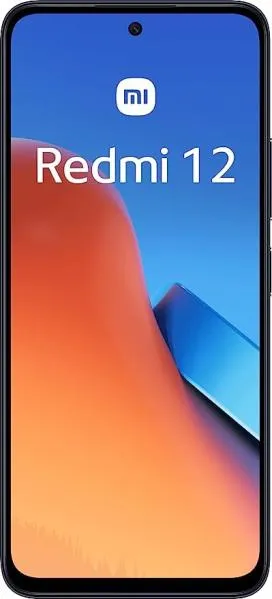
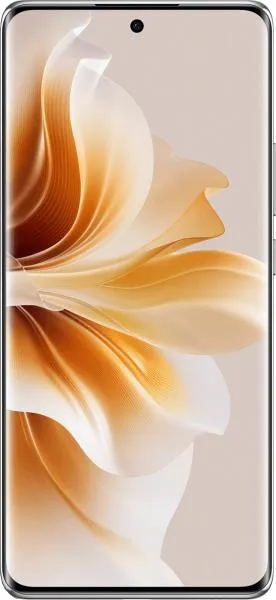
1. Specifications Comparison
| Feature | Xiaomi Redmi 12 | Oppo Reno11 | Practical Impact |
|---|---|---|---|
| Design | |||
| Dimensions (mm) | 168.6 x 76.3 x 8.2 | 162.4 x 74.3 x 7.9 | Reno11 is slightly smaller and more compact, potentially easier to handle. |
| Weight (g) | 198.5 | 182 | Reno11 is noticeably lighter, improving one-handed use and portability. |
| Fingerprint Sensor | Side-mounted | Under-display | Preference-based, but under-display is often perceived as more modern. |
| Display | |||
| Display Type | IPS LCD | AMOLED | AMOLED offers deeper blacks, vibrant colors, and better power efficiency in dark mode. |
| Display Size (inches) | 6.79 | 6.7 | Negligible size difference. |
| Resolution | 1080 x 2460 | 1080 x 2412 | Virtually identical sharpness. |
| Refresh Rate (Hz) | 90 | 120 | Reno11's 120Hz offers smoother animations and scrolling. |
| Peak Brightness (nits) | 550 | 950 | Reno11 is significantly brighter, improving outdoor visibility. |
| HDR | No | HDR10+ | Reno11 supports HDR content for a wider dynamic range and richer visuals. |
| Performance | |||
| Chipset | Mediatek Helio G88 (12nm) | Mediatek Dimensity 7050 (6nm) | Reno11's 6nm chipset offers significant performance and efficiency advantages over the 12nm Helio G88. |
| CPU | Octa-core (2x2.0 GHz Cortex-A75 & 6x1.8 GHz Cortex-A55) | Octa-core (2x2.6 GHz Cortex-A78 & 6x2.0 GHz Cortex-A55) | Reno11 boasts faster and more powerful CPU cores, translating to smoother multitasking and app loading. |
| GPU | Mali-G52 MC2 | Mali-G68 MC4 | Reno11 has a considerably more powerful GPU, beneficial for gaming and graphics-intensive tasks. |
| RAM (GB) | 4/8 | 8/12 | Reno11 offers more RAM in its base configuration, enhancing multitasking capabilities. |
| Camera | |||
| Main Camera (MP) | 50 | 50 | Comparable resolution, but sensor quality details are crucial for image quality comparison and are partially missing. |
| Ultrawide (MP) | 8 | 8 | Comparable resolution. |
| Telephoto | No | 32MP | Reno11 offers a dedicated telephoto lens for optical zoom, lacking in the Redmi 12. |
| Selfie Camera (MP) | 8 | 32 | Reno 11 boasts a much higher resolution selfie camera. |
| Video Recording | 1080p@30fps | 4K@30fps, 1080p@480fps | Reno11 offers superior video recording capabilities with higher resolution and slow-motion options. |
| Battery | |||
| Capacity (mAh) | 5000 | 5000 | Identical battery capacity. Real-world battery life will depend on software optimization and hardware efficiency. |
2. Key Differences Analysis
Xiaomi Redmi 12 Advantages:
- Lower Price: Expected to be significantly cheaper.
Oppo Reno11 Advantages:
- Superior Performance: Significantly faster processor, GPU, and more RAM.
- Better Display: AMOLED with 120Hz refresh rate, HDR10+, and higher brightness.
- More Versatile Camera System: Dedicated telephoto lens, higher resolution selfie camera, and superior video recording capabilities.
- More Modern Design: Lighter and slightly smaller.
Trade-offs:
- Redmi 12: Compromises performance, display quality, and camera features for affordability.
- Reno11: Higher price for significantly improved overall experience.
3. User Profiles & Recommendations
Xiaomi Redmi 12: Budget-conscious users prioritizing basic functionality: calling, texting, browsing, social media.
Oppo Reno11: Users who value performance, a high-quality display, a versatile camera system, and a more premium experience. Suitable for mobile gaming, content creation, and demanding tasks.
4. Decision Framework
Key Questions for Buyers:
- What is your budget? The Redmi 12 is a budget option, while the Reno11 is a mid-range device.
- What are your primary smartphone usage patterns? Basic use vs. demanding tasks/gaming/photography.
- How important are display quality, camera features, and overall performance?
My Choice: Oppo Reno11
While the Redmi 12 offers excellent value for its price, the Reno11's superior performance, AMOLED display with 120Hz, versatile camera system with a telephoto lens, and overall more refined experience make it the clear winner for me. The price difference is justified by the significant upgrades across the board. I value a smooth and responsive user experience, a great display for media consumption, and a capable camera. The Reno11 delivers on all these fronts. While I appreciate the Redmi 12's budget-friendly approach, the compromises in performance and features are too significant for my personal needs.
