1. Specifications Comparison
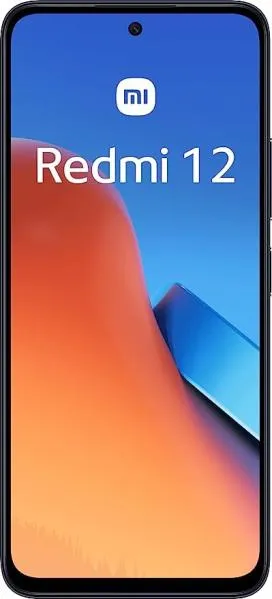
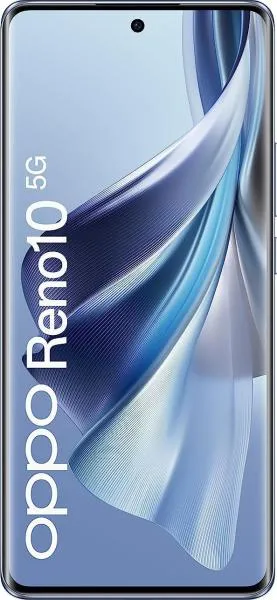
| Feature | Xiaomi Redmi 12 | Oppo Reno10 | Practical Impact |
|---|---|---|---|
| Design | |||
| Dimensions (mm) | 168.6 x 76.3 x 8.2 | 162.4 x 74.2 x 8.0 | Redmi 12 is slightly larger and heavier. Reno10 is more compact and easier to handle for some. |
| Weight (g) | 198.5 | 185 | Noticeable weight difference; Reno10 feels lighter in hand. |
| Build | Unspecified | Unspecified | Material differences could impact durability and premium feel; information lacking. |
| Display | |||
| Display Type | IPS LCD | AMOLED | AMOLED offers deeper blacks, better contrast, and potentially more vibrant colors. LCD can be brighter outdoors. |
| Display Size (inches) | 6.79 | 6.7 | Negligible size difference in real-world usage. |
| Resolution | 1080 x 2460 | 1080 x 2412 | Virtually identical resolutions; sharpness is comparable. |
| Refresh Rate (Hz) | 90 | 120 | Reno10's 120Hz offers smoother scrolling and animations. |
| Peak Brightness (nits) | 550 | 950 | Reno10 gets significantly brighter, improving outdoor visibility. |
| HDR | No | HDR10+ | Reno10 supports HDR content, offering better dynamic range in supported videos and photos. |
| Performance | |||
| Chipset | Mediatek Helio G88 (12nm) | Mediatek Dimensity 7050 (6nm) | Reno10's 6nm chipset is more power-efficient and likely performs better in demanding tasks. |
| CPU | Octa-core (2x2.0 GHz A75 & 6x1.8 GHz A55) | Octa-core (2x2.6 GHz A78 & 6x2.0 GHz A55) | Reno10 has faster and more powerful CPU cores, leading to better overall performance. |
| GPU | Mali-G52 MC2 | Mali-G68 MC4 | Reno10's GPU should offer better gaming and graphics performance. |
| RAM | 4GB/8GB | 8GB | Reno10 offers more RAM in the compared variant, leading to better multitasking. |
| Camera | |||
| Main Camera | 50MP | 64MP | Higher megapixel count on Reno10 doesn't guarantee better image quality, but offers more detail for cropping. |
| Ultrawide | 8MP | 8MP | Comparable ultrawide cameras. |
| Telephoto | No | 32MP | Reno10 offers a dedicated telephoto lens for optical zoom, a significant advantage. |
| Selfie | 8MP | 32MP | Reno10's higher resolution selfie camera should produce more detailed self-portraits. |
| Video Recording | 1080p@30fps | 4K@30fps | Reno10 offers superior video recording capabilities with 4K resolution and EIS. |
| Battery | |||
| Capacity (mAh) | 5000 | 5000 | Identical battery capacities. Real-world battery life will depend on usage and efficiency of components. |
| Charging Speed | Unspecified | Unspecified | Charging speed comparison impossible without specific data. |
2. Key Differences Analysis
Xiaomi Redmi 12 Advantages:
- Potentially Lower Price: Likely more affordable based on the "medium price" range and available pricing data.
Oppo Reno10 Advantages:
- Superior Display: AMOLED with 120Hz refresh rate and HDR10+ offers a significantly better viewing experience.
- Better Performance: More powerful and efficient chipset, faster CPU and GPU, and more RAM.
- More Versatile Camera System: Telephoto lens for optical zoom, higher resolution main and selfie cameras, and 4K video recording.
- More Compact Design: Smaller and lighter than the Redmi 12.
3. User Profiles & Recommendations
Xiaomi Redmi 12: Budget-conscious users who prioritize basic functionality over premium features. Suitable for casual use like calling, texting, web browsing, and social media.
Oppo Reno10: Users who value a premium multimedia experience, smoother performance, and a versatile camera system. Suitable for mobile gaming, photography enthusiasts, and content consumption.
4. Decision Framework
Key Questions for Buyers:
- What is your budget? The Redmi 12 is likely significantly cheaper.
- What are your primary smartphone usage patterns? Casual use vs. demanding tasks and multimedia consumption.
- Which features are most important to you? Display quality, performance, camera versatility, or battery life.
Scenario-Based Recommendations:
- Limited Budget, Basic Needs: Redmi 12
- Balanced Performance and Price: Depends on actual price difference; Reno10 if the price premium is justifiable for the user.
- Premium Experience, Multimedia Focus: Reno10
My Choice: Oppo Reno10
While pricing information is incomplete, the Oppo Reno10 offers a significantly better overall package. The superior AMOLED display, more powerful processor, versatile camera system with a telephoto lens, and more compact design make it a more compelling choice for a wider range of users. The Redmi 12's main advantage is its potential affordability, but the Reno10's advantages in key areas like display, performance, and camera outweigh the price difference, unless the budget is extremely tight. The 120Hz refresh rate and HDR10+ support alone significantly enhance daily use and media consumption. The inclusion of a telephoto lens adds considerable value for photography enthusiasts. Even if the Reno10 is noticeably more expensive, the upgrades justify the premium for a more satisfying user experience.
