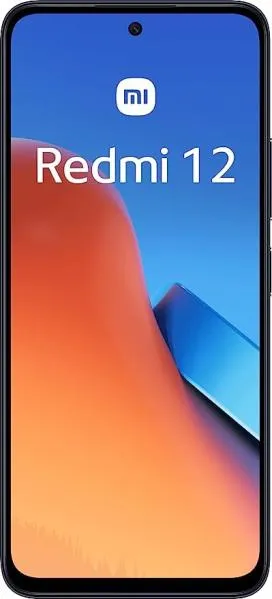
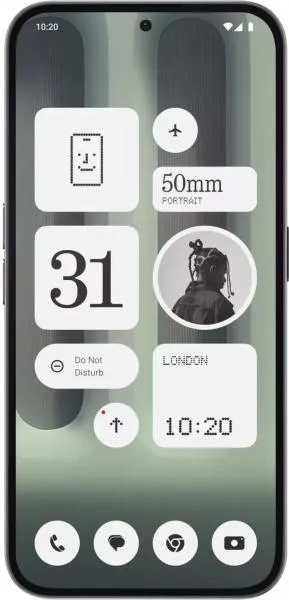
1. Specifications Comparison
| Feature | Xiaomi Redmi 12 | Nothing Phone (2a) Plus | Practical Impact |
|---|---|---|---|
| Design | |||
| Dimensions (mm) | 168.6 x 76.3 x 8.2 | 161.7 x 76.3 x 8.5 | Redmi 12 is slightly taller and thinner. Negligible difference in daily use. |
| Weight (g) | 198.5 | 190 | The Nothing Phone (2a) Plus is lighter, potentially more comfortable for extended use. |
| Fingerprint Sensor | Side-mounted | Under-display | Preference-based, both are reliable unlocking methods. |
| Display | |||
| Display Type | IPS LCD | AMOLED | AMOLED offers deeper blacks, vibrant colors, and potentially better power efficiency. |
| Display Size (inches) | 6.79 | 6.7 | Negligible size difference. |
| Refresh Rate (Hz) | 90 | 120 | Nothing Phone (2a) Plus provides smoother scrolling and animations. |
| Peak Brightness (nits) | 550 | 1300 | Nothing Phone (2a) Plus is significantly brighter, ensuring better visibility outdoors. |
| HDR | No | HDR10+ | Nothing Phone (2a) Plus supports HDR content, resulting in a more dynamic viewing experience. |
| Performance | |||
| Chipset | Mediatek Helio G88 (12nm) | Mediatek Dimensity 7350 Pro (4 nm) | Dimensity 7350 Pro offers significantly better performance and efficiency due to the smaller process node. |
| CPU | Octa-core (2x2.0 GHz A75 & 6x1.8 GHz A55) | Octa-core (2x3.0 GHz A715 & 6x2.0 GHz A510) | Nothing Phone (2a) Plus has more powerful cores, leading to faster app loading, multitasking, and gaming performance. |
| GPU | Mali-G52 MC2 | Mali-G610 MC4 | Nothing Phone (2a) Plus has a more powerful GPU, resulting in smoother gaming and graphics performance. |
| RAM (GB) | 4/8 | 12 | More RAM in Nothing Phone (2a) Plus allows for better multitasking and app switching. |
| Camera | |||
| Rear Camera | 50MP Main, 8MP Ultrawide, 2MP Macro | 50MP Main, 50MP Ultrawide | Both have competent main cameras, but Nothing Phone (2a) Plus has a superior ultrawide. No dedicated macro lens on the Nothing phone. |
| Selfie Camera | 8MP | 50MP | Significantly better selfie camera resolution on the Nothing Phone (2a) Plus. |
| Video Recording | 1080p@30fps | 4K@30fps, 1080p@120fps | Nothing Phone (2a) Plus offers higher resolution and frame rate video recording options. |
| Optical Image Stabilization | No | Yes | Nothing Phone (2a) Plus has OIS, leading to steadier videos and better low-light photos. |
| Battery | |||
| Capacity (mAh) | 5000 | 5000 | Similar battery capacity, but real-world battery life will depend on software optimization and display efficiency. |
| OS | Android 13 | Android 14 | Nothing Phone (2a) Plus runs on a newer Android version with longer software support. |
2. Key Differences Analysis
Xiaomi Redmi 12 Advantages:
- Lower Price: Significantly more affordable.
Nothing Phone (2a) Plus Advantages:
- Superior Performance: Significantly faster processor and GPU.
- Better Display: AMOLED with higher refresh rate, brightness, and HDR support.
- Enhanced Camera System: Better ultrawide and selfie cameras, optical image stabilization, and 4K video recording.
- Longer Software Support: Newer Android version with guaranteed updates.
Trade-offs:
- Price: The Nothing Phone (2a) Plus is considerably more expensive.
3. User Profiles & Recommendations
Xiaomi Redmi 12: Budget-conscious users who prioritize basic functionality: calling, texting, social media, light web browsing.
Nothing Phone (2a) Plus: Users who value performance, a high-quality display, a good camera, and longer software updates. Ideal for gamers, mobile photographers/videographers, and power users.
4. Decision Framework
Key Questions:
- What is your budget?
- What are your primary smartphone usage patterns?
- How important are features like display quality, camera performance, and overall speed?
Scenario-Based Recommendations:
- Tight Budget: Redmi 12
- Balanced Needs: If budget allows, the Nothing Phone (2a) Plus offers significantly better value for the long term due to its superior hardware and software support.
- Performance & Features Focused: Nothing Phone (2a) Plus
My Choice: Nothing Phone (2a) Plus
While the Redmi 12 is a decent budget option, the Nothing Phone (2a) Plus offers a significantly better overall experience. The superior performance, AMOLED display, enhanced camera, and longer software support justify the higher price for me. The improved user experience in terms of speed, visuals, and longevity would be worth the investment. The 4nm chipset in the Nothing Phone (2a) Plus would provide noticeable improvements in daily tasks and gaming compared to the 12nm chipset in the Redmi 12. Additionally, the software updates ensure the phone remains secure and performs optimally for a longer period.
