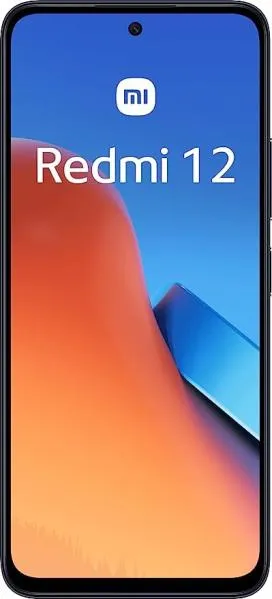
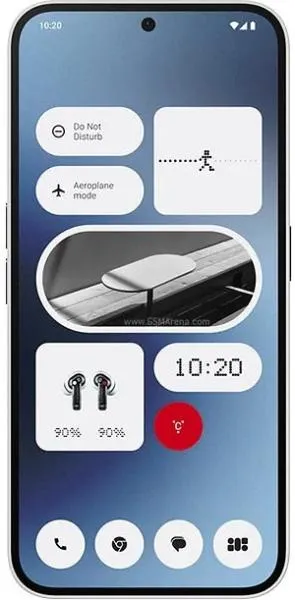
1. Specifications Comparison
| Feature | Xiaomi Redmi 12 | Nothing Phone (2a) | Practical Impact |
|---|---|---|---|
| Design | |||
| Dimensions (mm) | 168.6 x 76.3 x 8.2 | 161.7 x 76.3 x 8.6 | Redmi 12 is taller, slightly thinner but noticeably lighter. |
| Weight (g) | 198.5 | 190 | Noticeable difference in hand feel, Nothing Phone (2a) might feel more premium. |
| Fingerprint Sensor | Side-mounted | Under-display | Preference-based, under-display generally perceived as more modern. |
| Display | |||
| Display Type | IPS LCD | AMOLED | AMOLED offers deeper blacks, vibrant colors, and better power efficiency in dark mode. |
| Display Size (inches) | 6.79 | 6.7 | Negligible size difference. |
| Refresh Rate (Hz) | 90 | 120 | Smoother animations and scrolling on the Nothing Phone (2a). |
| Peak Brightness (nits) | 550 | 1300 | Nothing Phone (2a) significantly brighter, improving outdoor visibility. |
| HDR | No | HDR10+ | Nothing Phone (2a) supports HDR content for a wider dynamic range and richer visuals. |
| Performance | |||
| Chipset | Mediatek Helio G88 (12nm) | Mediatek Dimensity 7200 Pro (4nm) | Significant performance difference. Dimensity 7200 Pro offers much faster processing and better power efficiency due to smaller manufacturing process. |
| CPU | Octa-core (2x2.0 GHz Cortex-A75 & 6x1.8 GHz Cortex-A55) | Octa-core (2x2.8 GHz Cortex-A715 & 6x 2.0 Cortex-A510) | Nothing Phone (2a) has a more powerful and modern CPU architecture, resulting in faster app launches, smoother multitasking, and better gaming performance. |
| GPU | Mali-G52 MC2 | Mali-G610 MC4 | Nothing Phone (2a)'s GPU offers significantly better gaming and graphics performance. |
| RAM (GB) | 4/8 | 8/12 | Nothing Phone (2a) offers more RAM in its base configuration, further enhancing multitasking capabilities. |
| Camera | |||
| Main Camera (MP) | 50 | 50 | Similar resolution but different sensors. Practical image quality differences need real-world testing. |
| Ultrawide (MP) | 8 | 50 | Significant difference. Nothing Phone (2a) offers a much higher resolution ultrawide camera. |
| Macro (MP) | 2 | N/A (Integrated into ultrawide) | Redmi 12 has a dedicated macro lens, but its low resolution limits practicality. |
| Selfie Camera (MP) | 8 | 32 | Nothing Phone (2a) has a much higher resolution selfie camera. |
| Video Recording | 1080p@30fps | 4K@30fps | Nothing Phone (2a) capable of recording higher resolution video. |
| Battery | |||
| Capacity (mAh) | 5000 | 5000 | Similar battery capacity. Real-world battery life will depend on usage and optimization. |
| OS Updates | Up to Android 14 | Up to Android 17 | Nothing Phone (2a) will receive longer software updates and security patches. |
2. Key Differences Analysis
Xiaomi Redmi 12 Advantages:
- Lower Price: Significantly more affordable.
- Lighter: Noticeably lighter, might be preferred for extended use.
Nothing Phone (2a) Advantages:
- Superior Performance: Significantly faster processor, GPU, and more RAM.
- Better Display: AMOLED with higher refresh rate, brightness, and HDR support.
- More Advanced Camera System: Higher resolution ultrawide and selfie cameras, 4K video recording, optical image stabilization.
- Longer Software Support: Guaranteed updates to Android 17.
- 5G Connectivity: Supports faster mobile data speeds.
Trade-offs:
- Redmi 12: Sacrifices performance, display quality, and camera features for affordability.
- Nothing Phone (2a): Higher price for premium features.
3. User Profiles & Recommendations
Xiaomi Redmi 12:
- Budget-conscious users: Prioritize affordability over high-end features.
- Basic smartphone users: Primarily use phone for calls, texting, social media, and light browsing.
Nothing Phone (2a):
- Performance enthusiasts: Value speed, smooth multitasking, and gaming capabilities.
- Content consumers: Enjoy watching videos, playing games, and browsing media-rich content.
- Photography enthusiasts: Appreciate higher quality cameras and versatile shooting options.
- Users who value longevity: Prefer devices with longer software update cycles.
4. Decision Framework
Key Questions for Buyers:
- What is your budget? The Redmi 12 is significantly cheaper.
- What are your primary smartphone usage patterns? For basic usage, the Redmi 12 might suffice. For demanding tasks, the Nothing Phone (2a) is better suited.
- How important are features like display quality, camera performance, and software updates? The Nothing Phone (2a) excels in these areas.
My Choice: Nothing Phone (2a)
While the Redmi 12 offers excellent value for its price, the Nothing Phone (2a)'s superior performance, display, camera system, and longer software support make it the clear winner for me. I prioritize a smooth and responsive user experience, high-quality visuals, and the ability to capture great photos and videos. The future-proofing provided by extended software updates is also a significant factor. The price difference is justified by the substantial upgrade in overall quality and longevity. While the Redmi 12 is a good budget option, the Nothing Phone (2a) is a better investment in the long run for my needs.
