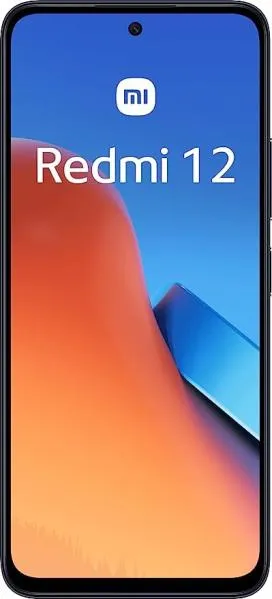
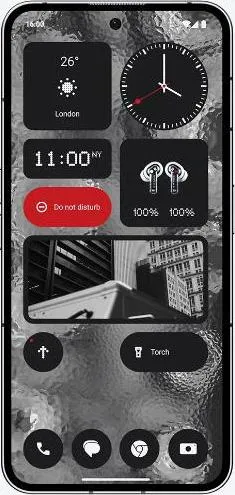
1. Specifications Comparison
| Feature | Xiaomi Redmi 12 | Nothing Phone (2) | Practical Impact |
|---|---|---|---|
| Design | |||
| Dimensions (mm) | 168.6 x 76.3 x 8.2 | 162.1 x 76.4 x 8.6 | Redmi 12 is slightly taller and thinner, Nothing Phone (2) slightly thicker. Negligible difference in everyday use. |
| Weight (g) | 198.5 | 201.2 | Virtually identical weight; no noticeable difference in hand. |
| Build Material | Unspecified | Unspecified | Material differences could impact durability and premium feel, but cannot be assessed without data. |
| Display | |||
| Display Type | IPS LCD | LTPO OLED | OLED offers deeper blacks, better contrast, and potentially higher power efficiency due to per-pixel illumination. |
| Display Size (inches) | 6.79 | 6.7 | Negligible size difference. |
| Resolution (pixels) | 1080 x 2460 | 1080 x 2412 | Nearly identical resolution; sharpness will be comparable on both. |
| Refresh Rate (Hz) | 90 | 120 | Nothing Phone (2)'s 120Hz offers smoother scrolling and animations. |
| Peak Brightness (nits) | 550 | 1600 | Nothing Phone (2) will be significantly more visible in direct sunlight. |
| HDR | No | HDR10+ | Nothing Phone (2) supports HDR content for a wider dynamic range and more vibrant colors in compatible media. |
| Performance | |||
| Chipset | Mediatek Helio G88 (12nm) | Snapdragon 8+ Gen 1 (4nm) | Snapdragon 8+ Gen 1 offers significantly faster CPU and GPU performance, enabling smoother multitasking and high-end gaming. |
| CPU | Octa-core (2x2.0 GHz Cortex-A75 & 6x1.8 GHz Cortex-A55) | Octa-core (1x3.0 GHz Cortex-X2 & 3x2.5 GHz Cortex-A710 & 4x1.80 GHz Cortex-A510) | Nothing Phone (2) has a more powerful and modern CPU architecture. |
| GPU | Mali-G52 MC2 | Adreno 730 | Adreno 730 offers substantially better graphics performance for demanding games and applications. |
| RAM (GB) | 4/8 | 8/12 | Nothing Phone (2) offers more RAM, improving multitasking and app loading times. Redmi 12 also has 8GB RAM option. |
| Storage (GB) | 128/256 | 256/512 | Nothing Phone (2) offers more storage in its base configuration. |
| Camera | |||
| Rear Camera | 50MP Main, 8MP Wide, 2MP Macro | 50MP Main, 50MP Wide | Both have dual camera setups; image quality comparison requires real-world testing, considering sensor and processing differences, but Nothing Phone (2) having a higher resolution ultrawide is beneficial. |
| Front Camera | 8MP | 32MP | Nothing Phone (2) likely produces higher resolution selfies. |
| Video Recording | 1080p@30fps | Up to 4K@60fps | Nothing Phone (2) offers superior video recording capabilities with higher resolution and frame rate options. |
| Battery | |||
| Capacity (mAh) | 5000 | 4700 | Redmi 12 has slightly larger battery capacity. Real-world battery life depends on usage and optimization. |
| Charging Speed | Unspecified | Unspecified | Charging speed comparison not possible without specific data. |
2. Key Differences Analysis
Xiaomi Redmi 12 Advantages:
- Potentially longer battery life: Larger 5000mAh battery might offer longer usage time.
- Lower price: Significantly more affordable.
Nothing Phone (2) Advantages:
- Significantly better performance: Snapdragon 8+ Gen 1 provides a major leap in processing power.
- Superior display: OLED with 120Hz refresh rate and HDR10+ offers a more vibrant and responsive visual experience.
- More versatile camera system: Potentially better image quality and significantly better video recording capabilities.
- More RAM and Storage: Smoother multitasking and ample storage space.
3. User Profiles & Recommendations
Xiaomi Redmi 12: Budget-conscious users who prioritize basic functionality, long battery life, and affordability over high performance or premium features. Suitable for:
- Casual web browsing, social media, and communication.
- Light gaming and media consumption.
Nothing Phone (2): Users who demand high performance for demanding tasks, value a premium display and camera, and are willing to pay a premium. Suitable for:
- Demanding mobile gaming.
- High-quality media consumption and content creation.
- Multitasking and productivity.
4. Decision Framework
Key Questions for Buyers:
- What is your budget? The Redmi 12 is significantly more affordable.
- What are your primary smartphone usage patterns? Casual users might find the Redmi 12 sufficient, while power users will appreciate the Nothing Phone (2)'s performance.
- Which features do you prioritize? Consider display quality, camera capabilities, performance, and battery life.
My Choice: Nothing Phone (2)
While the Redmi 12 offers excellent value for its price, the Nothing Phone (2)'s superior performance, display, and camera make it a more compelling device for my needs. I prioritize a smooth and responsive user experience, enjoy mobile gaming, and appreciate high-quality visuals. The price difference is significant, but the substantial upgrades in key areas justify the premium for me. The Snapdragon 8+ Gen 1 ensures future-proofing for demanding applications and the 120Hz OLED display provides a noticeable improvement in daily use. While battery life is a concern, the performance and feature set of the Nothing Phone (2) outweigh this potential drawback.
