1. Specifications Comparison
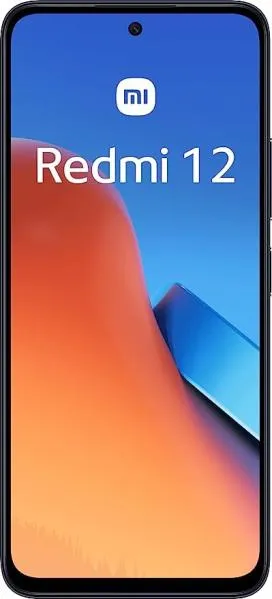
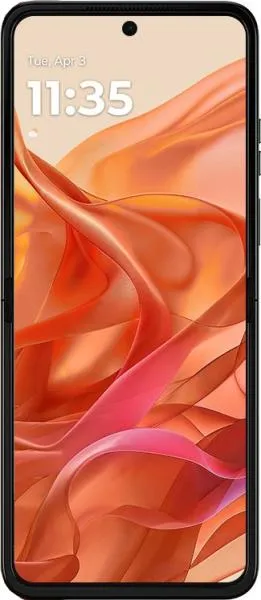
| Feature | Xiaomi Redmi 12 | Motorola Razr 50 | Practical Impact |
|---|---|---|---|
| Design | |||
| Dimensions (mm) | 168.6 x 76.3 x 8.2 | 171.3 x 74 x 7.3 | Razr 50 is slightly narrower and significantly thinner due to its foldable design, making it more pocketable despite being taller. Redmi 12 is a traditional slab design. |
| Weight (g) | 198.5 | 188.4 | Razr 50 is slightly lighter. Weight difference is minimal in practical use. |
| Foldable | No | Yes | Razr 50's foldable design allows for a larger screen in a smaller footprint when folded. |
| Display | |||
| Size (inches) | 6.79 | 6.9 | Razr 50 offers a slightly larger display. |
| Resolution (px) | 1080 x 2460 | 1080 x 2640 | Both have similar resolutions; Razr 50 is slightly taller due to aspect ratio. |
| Type | IPS LCD | Foldable LTPO AMOLED | Razr 50's AMOLED provides significantly better contrast, deeper blacks, and potentially higher brightness. LTPO allows for dynamic refresh rate adjustment, saving battery. Folding display introduces a crease, potential durability concerns. |
| Refresh Rate (Hz) | 90 | 120 | Razr 50's 120Hz refresh rate results in smoother animations and scrolling. |
| Performance | |||
| Chipset | Mediatek Helio G88 (12nm) | Mediatek Dimensity 7300X (4nm) | Razr 50's 7300X offers significantly better performance and efficiency due to a more advanced manufacturing process and architecture. |
| CPU | Octa-core (2x2.0 GHz A75 & 6x1.8 GHz A55) | Octa-core (4x2.5 GHz A78 & 4x2.0 GHz A55) | Razr 50 has faster and more powerful CPU cores, leading to much smoother multitasking and demanding application performance. |
| GPU | Mali-G52 MC2 | Mali-G615 MC2 | Razr 50's GPU provides better gaming and graphics performance. |
| RAM | 4/8 GB | 8/12 GB | Razr 50 offers more RAM in its configurations, enabling better multitasking and preventing app closures in the background. |
| Camera | |||
| Main Camera (MP) | 50 | 50 | Similar megapixel count, but sensor quality and processing are unknown and could significantly impact image quality. |
| Front Camera (MP) | 8 | 32 | Razr 50 boasts a significantly higher resolution front camera, likely resulting in better selfie quality. |
| Video | 1080p@30fps | 4K@30fps with EIS | Razr 50 offers higher resolution video recording with Electronic Image Stabilization (EIS) for smoother footage. |
| Battery | |||
| Capacity (mAh) | 5000 | 4200 | Redmi 12 has a larger battery capacity, potentially leading to longer battery life. However, Razr 50's more efficient display and chipset could offset this difference. |
2. Key Differences Analysis
Xiaomi Redmi 12 Advantages:
- Lower Price: Significantly more affordable.
- Larger Battery: Potentially longer battery life.
- Traditional Design: May be preferred by users who are hesitant about foldable phone durability.
Motorola Razr 50 Advantages:
- Significantly More Powerful: Much better performance for demanding tasks and gaming.
- Foldable Design: Offers a large screen in a compact form factor.
- Superior Display: AMOLED with higher refresh rate and HDR support provides a much better visual experience.
- Better Camera System: Higher resolution front camera and 4K video recording.
3. User Profiles & Recommendations
Xiaomi Redmi 12: Budget-conscious users who prioritize battery life and basic functionality. Ideal for:
- Calling, texting, and social media browsing
- Light gaming and media consumption
- Users seeking a reliable, affordable secondary device
Motorola Razr 50: Users who prioritize performance, a premium display, and a unique foldable design. Ideal for:
- Power users who multitask heavily and need a responsive device
- Mobile gamers and content creators
- Users seeking a compact device with a large screen
4. Decision Framework
Key Questions for Buyers:
- Budget: How much are you willing to spend?
- Performance Needs: Do you need a high-performance phone for demanding tasks or gaming?
- Form Factor Preference: Do you value portability and a unique design or prefer a traditional slab phone?
My Choice: Motorola Razr 50
While the Redmi 12 offers excellent value for its price, the Razr 50's superior performance, stunning display, and innovative foldable design make it the more compelling choice for me. I value a smooth and responsive user experience, which the Razr 50 delivers thanks to its powerful chipset and high refresh rate display. The compact size when folded is also highly attractive. While the battery capacity is smaller, the efficiency gains from the LTPO display and more advanced processor could result in comparable real-world battery life. The higher price is justified by the significant upgrade in overall user experience. The Redmi 12 is a solid budget option, but the Razr 50 offers a substantial leap in quality and features.
