1. Specifications Comparison
| Feature | Xiaomi Redmi 12 | Motorola Razr 40 | Practical Impact |
|---|---|---|---|
| Design | |||
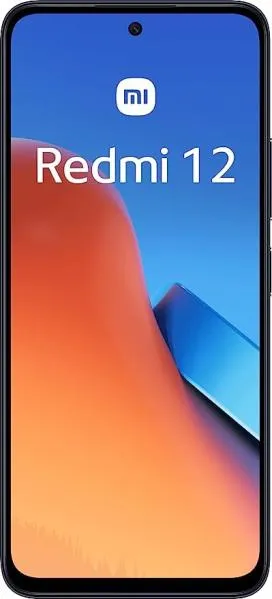
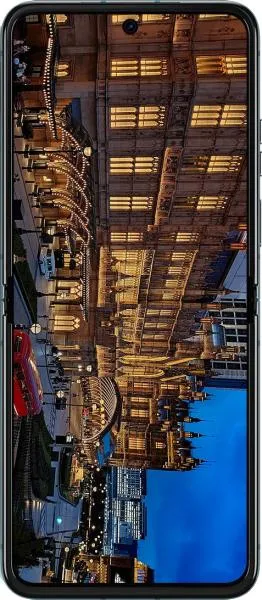
| Dimensions (mm) | 168.6 x 76.3 x 8.2 | 170.8 x 74 x 7.4 | Razr 40 is slightly narrower and significantly thinner due to its foldable design, making it more pocketable despite being slightly taller. |
| Weight (g) | 198.5 | 188.6 | Razr 40 is lighter, enhancing portability. |
| Foldable | No | Yes | Razr 40's foldable design offers unique portability and a smaller footprint when closed. |
| Display | |||
| Display Type | IPS LCD | Foldable LTPO AMOLED | Razr 40 boasts superior contrast, brighter colors, and potentially better power efficiency with AMOLED and LTPO. Redmi 12's LCD is generally less vibrant. |
| Display Size (inches) | 6.79 | 6.9 | Razr 40 offers a slightly larger screen. |
| Refresh Rate (Hz) | 90 | 144 | Razr 40 provides a smoother visual experience, especially in gaming and scrolling. |
| Peak Brightness (nits) | 550 | 1400 | Razr 40 is significantly brighter, ensuring better outdoor visibility. |
| Performance | |||
| Chipset | Mediatek Helio G88 (12nm) | Snapdragon 7 Gen 1 (4nm) | Snapdragon 7 Gen 1 offers significantly better performance and efficiency due to its more advanced architecture and smaller manufacturing process. |
| CPU | Octa-core (2x2.0 GHz Cortex-A75 & 6x1.8 GHz Cortex-A55) | Octa-core (1x2.4 GHz Cortex-A710 & 3x2.36 GHz Cortex-A710 & 4x1.8 GHz Cortex-A510) | Razr 40 has a more powerful and modern CPU architecture, resulting in faster processing and multitasking. |
| GPU | Mali-G52 MC2 | Adreno 644 | Razr 40's Adreno 644 GPU provides significantly better graphics performance for gaming and demanding applications. |
| RAM (GB) | 4/8 | 8 | Razr 40 offers more RAM, enabling smoother multitasking and better performance with demanding apps. |
| Camera | |||
| Main Camera (MP) | 50 | 64 | While megapixels aren't everything, Razr 40's higher resolution potentially offers more detail in photos. |
| Optical Image Stabilization | No | Yes | Razr 40's OIS will result in significantly sharper images and videos, especially in low light and when recording video. |
| Video Recording | 1080p@30fps | 4K@30fps | Razr 40 can record higher resolution videos. |
| Battery | |||
| Capacity (mAh) | 5000 | 4200 | Redmi 12 has a larger battery capacity, potentially offering longer battery life. However, Razr 40's more efficient processor and LTPO display could offset this difference. |
2. Key Differences Analysis
Xiaomi Redmi 12 Advantages:
- Lower Price: Significantly more affordable.
- Larger Battery: Potentially longer battery life.
Motorola Razr 40 Advantages:
- Foldable Design: Unique portability and form factor.
- Superior Display: Brighter, more vibrant, and smoother with a higher refresh rate.
- Significantly Better Performance: Faster processor, GPU, and more RAM for a smoother user experience.
- Superior Camera System: OIS, higher resolution main sensor, and 4K video recording.
3. User Profiles & Recommendations
Xiaomi Redmi 12: Budget-conscious users who prioritize battery life and basic functionality. Suitable for:
- Casual users primarily using social media, browsing, and making calls.
- Users who need a long-lasting battery.
Motorola Razr 40: Users who value cutting-edge technology, portability, and a premium experience. Suitable for:
- Users who want a unique, compact foldable phone.
- Users who prioritize performance for gaming and demanding applications.
- Users who value a high-quality display and camera.
4. Decision Framework
Key Questions for Buyers:
- Budget: How much are you willing to spend?
- Form Factor: Do you prioritize portability and a unique design or a standard smartphone form factor?
- Performance Needs: Do you require high performance for gaming and demanding tasks or just basic functionality?
Scenario-Based Recommendations:
- Tight Budget, Basic Needs: Redmi 12
- Value Performance and Latest Tech: Razr 40
- Unique Design and Portability Above All Else: Razr 40
My Choice: Motorola Razr 40
While the Redmi 12 offers excellent value for its price, the Razr 40's superior performance, stunning display, and innovative foldable design are compelling. The Snapdragon 7 Gen 1, coupled with the 144Hz AMOLED screen, promises a significantly smoother and more enjoyable user experience. The compact size when folded is a major advantage for portability. While the battery capacity is smaller, the more efficient chipset and LTPO display mitigate this concern. The price premium is justified for the substantial upgrade in overall quality and user experience. The foldable form factor itself offers a unique advantage in terms of portability and style. For me, the long-term benefits of better performance and the innovative design outweigh the price difference and slightly smaller battery.
