1. Specifications Comparison
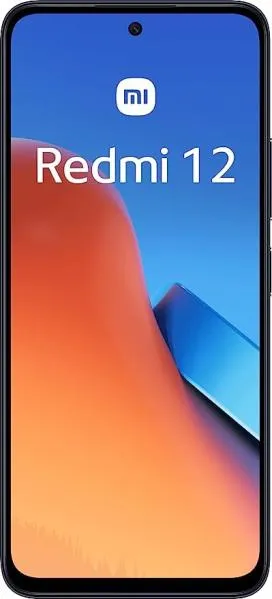
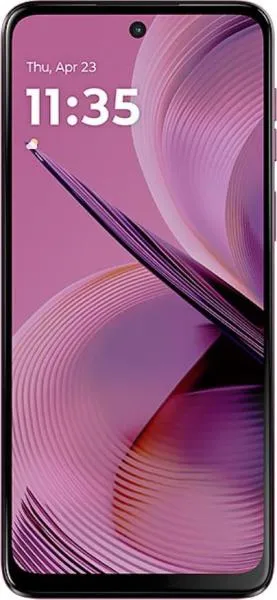
| Feature | Xiaomi Redmi 12 | Motorola Moto G55 | Practical Impact |
|---|---|---|---|
| Design | |||
| Dimensions (mm) | 168.6 x 76.3 x 8.2 | 161.6 x 73.8 x 8.1 | Moto G55 is slightly shorter, narrower, and lighter, potentially improving one-handed usability. |
| Weight (g) | 198.5 | 179 | Moto G55 is noticeably lighter, reducing hand fatigue during extended use. |
| Display | |||
| Size (inches) | 6.79 | 6.49 | Redmi 12 offers a larger screen for more immersive media consumption. |
| Resolution (px) | 1080 x 2460 | 1080 x 2400 | Negligible difference in sharpness due to similar pixel density. |
| Refresh Rate (Hz) | 90 | 120 | Moto G55's higher refresh rate provides smoother animations and scrolling. |
| Display Type | IPS LCD | IPS LCD | Both use IPS LCD technology, expecting similar color accuracy and viewing angles. However, specific panel quality can vary and isn't detailed here. |
| Performance | |||
| Chipset | Mediatek Helio G88 (12nm) | Mediatek Dimensity 7025 (6nm) | Moto G55's 6nm chipset should offer significantly better performance and power efficiency due to its smaller process node and more powerful CPU cores (Cortex-A78 vs A75). |
| CPU | Octa-core (2x2.0 GHz Cortex-A75 & 6x1.8 GHz Cortex-A55) | Octa-core (2x2.5 GHz Cortex-A78 & 6x2.0 GHz Cortex-A55) | Moto G55 has a more powerful CPU architecture resulting in faster app loading, smoother multitasking, and better gaming performance. |
| GPU | Mali-G52 MC2 | IMG BXM-8-256 | Moto G55 likely has a more powerful GPU, enabling better gaming performance and smoother graphics rendering. Direct comparison is difficult without benchmark scores. |
| RAM (GB) | 4/8 | 8 | Moto G55 offers more RAM in the specified variant, enabling better multitasking and preventing apps from closing in the background. |
| Camera | |||
| Main Camera (MP) | 50 | 50 | Megapixel count is similar, but image quality depends on sensor size, aperture, and processing, which are not fully detailed here. |
| Other Cameras | 8MP Wide, 2MP Macro | 8MP Wide | Redmi 12 has a dedicated macro lens, while practical benefits of this are often limited. Moto G55 lacks details on the secondary camera. |
| Video Recording | 1080p@30fps | 1080p@30/60fps | Moto G55 offers 60fps recording for smoother video. |
| Battery | |||
| Capacity (mAh) | 5000 | 5000 | Similar battery capacity, but actual battery life depends on software optimization and chipset efficiency. |
2. Key Differences Analysis
Xiaomi Redmi 12 Advantages:
- Larger Display: Offers a more immersive experience for media consumption.
Motorola Moto G55 Advantages:
- Significantly Better Performance: The Dimensity 7025 chipset, more powerful CPU cores, and higher RAM provide a smoother, faster user experience across all tasks.
- Higher Refresh Rate Display: Smoother scrolling and animations.
- More Powerful GPU: Better gaming and graphics performance.
- Lighter and More Compact: Improved one-handed usability and reduced fatigue.
- 5G Connectivity: Offers faster download and upload speeds in areas with 5G coverage.
Trade-offs:
- Redmi 12: Sacrifices performance and features for a larger display and lower price.
- Moto G55: Smaller display compared to Redmi 12. Price is significantly higher.
3. User Profiles & Recommendations
Xiaomi Redmi 12: Budget-conscious users who prioritize a large display for media consumption and basic smartphone tasks. Ideal for casual web browsing, social media, and video watching.
Motorola Moto G55: Users who value a smooth and responsive experience, even with more demanding tasks. Ideal for gaming, multitasking, and those who want a future-proof phone with 5G connectivity.
4. Decision Framework
Key Questions for Buyers:
- What is your budget? The Redmi 12 is significantly cheaper.
- What is your primary use case? Media consumption vs. demanding tasks/gaming.
- How important is future-proofing? The Moto G55 offers 5G.
My Choice: Motorola Moto G55
While the Redmi 12 offers a larger display at a lower price, the Moto G55's superior performance, smoother display, and 5G connectivity make it a better long-term investment. The Dimensity 7025 offers a substantial performance upgrade, resulting in a more responsive and enjoyable user experience. The 120Hz refresh rate significantly enhances daily interactions. Although the Moto G55 is more expensive, the performance and feature upgrades justify the price difference for most users beyond those strictly on a tight budget. The lighter weight is also a plus for comfortable daily use.
