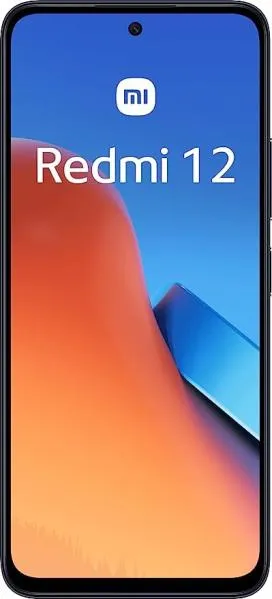
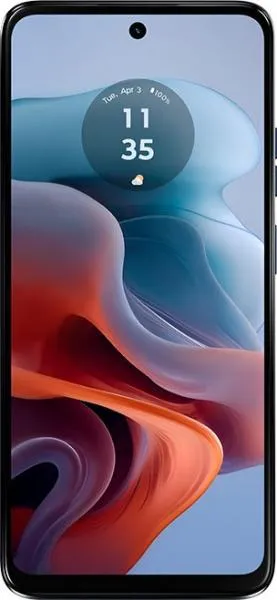
1. Specifications Comparison
| Feature | Xiaomi Redmi 12 | Motorola Moto G34 | Practical Impact |
|---|---|---|---|
| Design | |||
| Dimensions (mm) | 168.6 x 76.3 x 8.2 | 162.7 x 74.6 x 8.0 | Redmi 12 is slightly larger and heavier. |
| Weight (g) | 198.5 | 179 | Moto G34 feels noticeably lighter in hand, improving one-handed use. |
| Build Material | Not specified | Not specified | Cannot compare build quality and durability. |
| Display | |||
| Display Size (inches) | 6.79 | 6.5 | Redmi 12 offers a larger screen for more immersive media consumption. |
| Resolution | 1080 x 2460 | 720 x 1600 | Redmi 12 has a significantly sharper display (396 ppi vs 270 ppi), resulting in clearer text and images. |
| Refresh Rate (Hz) | 90 | 120 | Moto G34's higher refresh rate provides smoother scrolling and animations. |
| Display Type | IPS LCD | IPS LCD | Both use IPS LCD technology, offering good color reproduction but potentially lower contrast than OLED. |
| Performance | |||
| Chipset | Mediatek Helio G88 (12nm) | Qualcomm Snapdragon 695 5G (6nm) | Snapdragon 695 is more power-efficient and generally offers better performance than the Helio G88. |
| CPU | Octa-core (2x2.0 GHz Cortex-A75 & 6x1.8 GHz Cortex-A55) | Octa-core (2x2.2 GHz Kryo 660 Gold & 6x1.7 GHz Kryo 660 Silver) | Snapdragon 695 likely provides faster processing speeds and better multitasking. |
| GPU | Mali-G52 MC2 | Adreno 619 | Adreno 619 generally offers better gaming performance. |
| RAM | 4/8 GB | 4/8 GB | Both offer similar RAM options, impacting multitasking capabilities. |
| Camera | |||
| Main Camera (MP) | 50 | 50 | Similar megapixel count, but image quality depends on sensor size and processing, which are not fully detailed. |
| Ultrawide (MP) | 8 | Not specified | Redmi 12 offers an ultrawide lens for wider shots, while Moto G34 specs don't confirm one. |
| Macro (MP) | 2 | 2 | Both have dedicated macro lenses. Practical usability depends on sensor quality, which is not detailed. |
| Selfie Camera (MP) | 8 | 16 | Moto G34 boasts a higher resolution selfie camera. |
| Battery | |||
| Capacity (mAh) | 5000 | 5000 | Both have the same battery capacity, but actual battery life depends on optimization and usage. |
| Charging Speed | Not specified | Not specified | Cannot compare charging speeds. |
2. Key Differences Analysis
Xiaomi Redmi 12 Advantages:
- Larger, sharper display: Provides a more immersive experience for media consumption.
- Ultrawide camera: Offers greater versatility in photography.
Motorola Moto G34 Advantages:
- Smoother performance: The Snapdragon 695 and 120Hz refresh rate deliver a more fluid user experience.
- Lighter and more compact: Enhances one-handed usability and portability.
- 5G Connectivity: Offers faster data speeds and improved network access in areas with 5G coverage.
- Higher resolution selfie camera: Benefits users who frequently take self-portraits or engage in video calls.
Trade-offs:
- Redmi 12: Larger display and higher resolution come at the cost of potentially reduced battery life compared to the Moto G34 with its smaller, lower resolution display and more efficient processor.
- Moto G34: Smaller display might feel cramped for media consumption. Lower resolution results in less sharp visuals.
3. User Profiles & Recommendations
Xiaomi Redmi 12: Ideal for users who prioritize media consumption, casual gaming, and photography versatility on a budget. Suitable for those who prefer a large screen and sharp visuals.
Motorola Moto G34: Suitable for users who value smooth performance, 5G connectivity, a lighter phone, and a good selfie camera. Good for those who prioritize everyday tasks, web browsing, and social media.
4. Decision Framework
Key Questions for Buyers:
- Is 5G connectivity essential? If yes, the Moto G34 is the only option.
- Do you prioritize a large, high-resolution display for media consumption? If yes, the Redmi 12 is preferable.
- Is overall performance and a smoother user experience more important? If so, the Moto G34 is the better choice.
My Choice: Motorola Moto G34
While the Redmi 12 offers a tempting large and sharp display, I would choose the Motorola Moto G34. The more efficient processor, smoother 120Hz refresh rate, and lighter weight are significant factors in daily use. 5G connectivity is future-proofing, and the overall performance of the Snapdragon 695 makes the Moto G34 a more well-rounded device for my needs. While I appreciate the larger screen of the Redmi 12, the sharper resolution isn't a significant enough advantage to outweigh the Moto G34's other benefits, particularly its superior performance and 5G capability.
