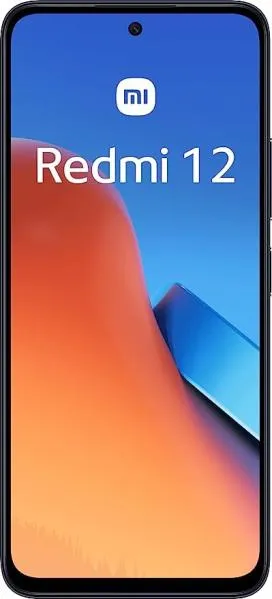
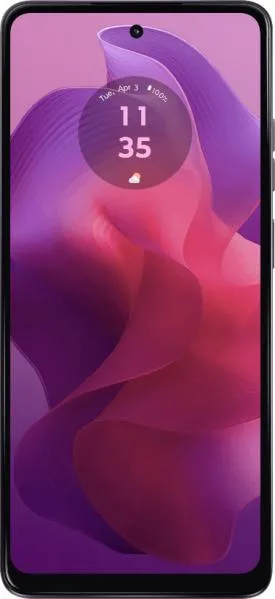
1. Specifications Comparison
| Feature | Xiaomi Redmi 12 | Motorola Moto G24 | Practical Impact |
|---|---|---|---|
| Design | |||
| Dimensions (mm) | 168.6 x 76.3 x 8.2 | 163.5 x 74.5 x 8 | Redmi 12 is slightly larger and thicker. |
| Weight (g) | 198.5 | 181 | Moto G24 is noticeably lighter, improving one-handed use. |
| Build | Not specified | Not specified | Build quality and materials unknown, impacting durability. |
| Display | |||
| Size (inches) | 6.79 | 6.56 | Redmi 12 offers a larger screen for media consumption. |
| Resolution (px) | 1080 x 2460 | 720 x 1612 | Redmi 12 has significantly sharper visuals due to higher resolution (FHD+ vs. HD+). |
| PPI | 396 | 269 | Redmi 12's higher PPI results in crisper text and images. |
| Refresh Rate (Hz) | 90 | 90 | Both offer smooth scrolling and animations thanks to 90Hz refresh rate. |
| Display Type | IPS LCD | IPS LCD | Both use IPS LCD technology, offering good viewing angles but potentially lower contrast than AMOLED. |
| Performance | |||
| Chipset | Mediatek Helio G88 (12nm) | Mediatek Helio G85 (12nm) | G88 has a slightly higher clock speed on the performance cores than the G85, potentially offering slightly better performance in demanding tasks, though real-world difference may be minimal. |
| CPU | Octa-core (2x2.0 GHz Cortex-A75 & 6x1.8 GHz Cortex-A55) | Octa-core (2x2.0 GHz Cortex-A75 & 6x1.7 GHz Cortex-A55) | Negligible performance difference in daily usage. |
| GPU | Mali-G52 MC2 | Mali-G52 MC2 | Similar graphical performance; minor differences in clock speed (1000MHz vs 950MHz) might not be noticeable. |
| RAM | 4/8 GB | 4/8 GB | Both offer configurations with sufficient RAM for multitasking; 8GB offers smoother performance with heavy usage. |
| Camera | |||
| Main Camera (MP) | 50 | 50 | Both have 50MP main sensors, but image quality depends on sensor size, processing, and other factors not specified. |
| Other Cameras | 8MP ultrawide, 2MP macro, 8MP selfie | 2MP macro, 2MP depth, 8MP selfie | Redmi 12 has a potentially more useful ultrawide camera compared to G24's depth sensor. |
| Video Recording | 1080p@30fps | 1080p@30fps | Both offer basic video recording capabilities. |
| Battery | |||
| Capacity (mAh) | 5000 | 5000 | Similar battery capacity, suggesting comparable battery life. Real-world usage will vary. |
2. Key Differences Analysis
Xiaomi Redmi 12 Advantages:
- Sharper Display: Significantly higher resolution and PPI translate to a noticeably crisper and more detailed visual experience.
- Larger Display: Offers more screen real estate for media consumption and multitasking.
- Potentially More Useful Secondary Camera: Ultrawide lens provides more versatility compared to the Moto G24's depth sensor.
- Slightly faster CPU: May offer slightly better performance in demanding tasks.
Motorola Moto G24 Advantages:
- Lighter and More Compact: Easier to handle and carry in pockets.
- Lower Price: Offers a more budget-friendly option.
Trade-offs:
- Redmi 12: Larger size and weight might be less comfortable for some users.
- Moto G24: Lower resolution display significantly impacts visual clarity.
3. User Profiles & Recommendations
Xiaomi Redmi 12: Ideal for users who prioritize media consumption, gaming, and overall visual quality. The larger, sharper display enhances these experiences.
Motorola Moto G24: Suitable for budget-conscious users who prioritize portability and ease of use. Best for basic tasks like calling, texting, and browsing. Good for users who value a lighter phone.
4. Decision Framework
Key Questions for Buyers:
- What is your budget? The Moto G24 is the more affordable option.
- How important is display quality? The Redmi 12 offers a significantly better display.
- Do you prioritize portability or screen size? The Moto G24 is lighter and more compact, while the Redmi 12 has a larger screen.
My Choice: Xiaomi Redmi 12
While the Motorola Moto G24 offers a compelling price point and lighter weight, the Xiaomi Redmi 12's significantly superior display is the deciding factor for me. The sharper resolution and larger screen size are crucial for a enjoyable user experience, especially for media consumption, gaming, and even general web browsing. The slightly improved performance of the Helio G88 and the more versatile camera setup further solidify the Redmi 12 as the better overall package, even with the slightly higher price and larger size. I prioritize a good visual experience and am willing to compromise slightly on portability for that. The difference in weight, while noticeable, is not a dealbreaker for me.
