1. Specifications Comparison
| Feature | Xiaomi Redmi 12 | Motorola Moto G14 | Practical Impact |
|---|---|---|---|
| Design | |||
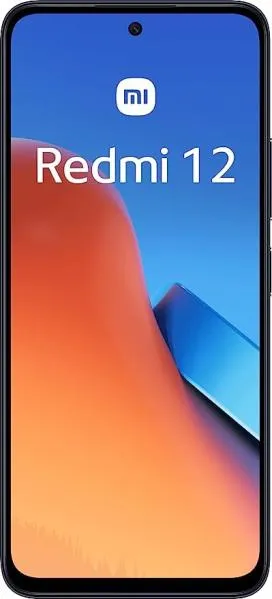
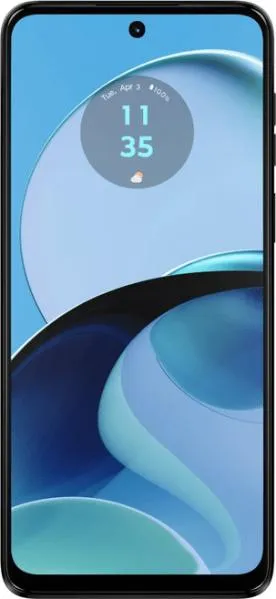
| Dimensions (mm) | 168.6 x 76.3 x 8.2 | 161.5 x 73.8 x 8.0 | Redmi 12 is slightly taller and wider. Moto G14 is marginally thinner. |
| Weight (g) | 198.5 | 177 | Moto G14 is noticeably lighter, improving one-handed use and portability. |
| Build Materials | Not specified | Not specified | Cannot compare build quality and durability without more information. |
| Display | |||
| Size (inches) | 6.79 | 6.5 | Redmi 12 offers a larger screen for more immersive media consumption. |
| Resolution (pixels) | 1080 x 2460 | 1080 x 2400 | Negligible difference in sharpness at this screen size. |
| Refresh Rate (Hz) | 90 | Not specified | Redmi 12's 90Hz refresh rate provides smoother scrolling and animations. A higher refresh rate significantly impacts the user experience making interactions feel more fluid and responsive. Missing refresh rate information for Moto G14 limits comparison. |
| Display Type | IPS LCD | IPS LCD | Both use IPS LCD technology, offering good color reproduction and viewing angles. |
| Performance | |||
| Chipset | Mediatek Helio G88 (12nm) | Unisoc Tiger T616 (12nm) | Both are entry-level chipsets, performance differences likely minimal for everyday tasks. Benchmark scores would provide a clearer comparison. |
| CPU | Octa-core (2x2.0 GHz Cortex-A75 & 6x1.8 GHz Cortex-A55) | Octa-core (2x2.0 GHz Cortex-A75 & 6x1.8 GHz Cortex-A55) | Similar CPU configurations suggest comparable processing power. |
| GPU | Mali-G52 MC2 | Mali-G57 MP1 | Moto G14's GPU might offer slightly better gaming performance, though real-world differences could be minor. Comprehensive GPU benchmarks are necessary for a definitive comparison. |
| RAM | 4/8 GB | 4/8GB | Both offer configurations with sufficient RAM for multitasking, though 8GB provides smoother performance with more demanding applications. |
| Camera | |||
| Main Camera (MP) | 50 | 50 | Megapixel count is similar; image quality depends on sensor size, aperture, and processing. |
| Additional Cameras | 8MP ultrawide, 2MP macro | 2MP macro | Redmi 12 offers a more versatile camera setup with an ultrawide lens. |
| Video Recording | 1080p@30fps | 1080p@30fps | Both offer basic video recording capabilities. |
| Battery | |||
| Capacity (mAh) | 5000 | 5000 | Similar battery capacities suggest comparable battery life, although actual usage varies significantly depending on individual usage patterns and software optimization. |
2. Key Differences Analysis
Xiaomi Redmi 12 Advantages:
- Larger Display: Provides a more immersive experience for media consumption and gaming.
- Higher Refresh Rate: Offers smoother scrolling and animations, resulting in a more responsive user interface.
- Ultrawide Camera: Adds versatility for capturing landscapes and group photos.
Motorola Moto G14 Advantages:
- Lighter Weight: More comfortable for extended use and one-handed operation.
- Potentially Better GPU: Might offer a slight edge in gaming performance. This needs further investigation with benchmarks.
- Lower Price: Generally more affordable, offering good value for its features.
3. User Profiles & Recommendations
Xiaomi Redmi 12: Ideal for users who prioritize media consumption, gaming, and a larger screen. The 90Hz refresh rate significantly enhances the user experience.
Motorola Moto G14: Suitable for budget-conscious users who prioritize portability and comfortable one-handed use. Good for general tasks, but gaming performance needs clarification.
4. Decision Framework
Key Questions for Buyers:
- What is your budget? The Moto G14 is generally more affordable.
- Do you prioritize a large screen and smooth performance? The Redmi 12 excels in these areas.
- Is portability and one-handed use important? The Moto G14 is lighter and more compact.
Scenario-Based Recommendations:
- Limited Budget, General Use: Moto G14
- Media Consumption, Gaming Focus: Redmi 12
- Balance of Features and Price: Redmi 12, if the price difference is acceptable
My Choice: Xiaomi Redmi 12
While the Motorola Moto G14 offers excellent value for its price, the Xiaomi Redmi 12's 90Hz display, larger screen size, and ultrawide camera make it a more compelling option for me. The smoother user experience provided by the higher refresh rate significantly enhances daily interactions. The larger display improves media consumption and the ultrawide lens adds valuable versatility to the camera system. The slight increase in size and weight is a trade-off I am willing to make for these benefits. The lack of a specified refresh rate for the Moto G14 is a major drawback in comparison. While the Moto G14 boasts a potentially superior GPU, without concrete benchmark data, the real-world impact remains unclear. Ultimately, the Redmi 12 offers a more well-rounded package for my needs.
