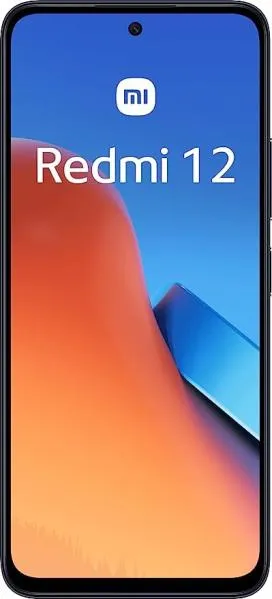
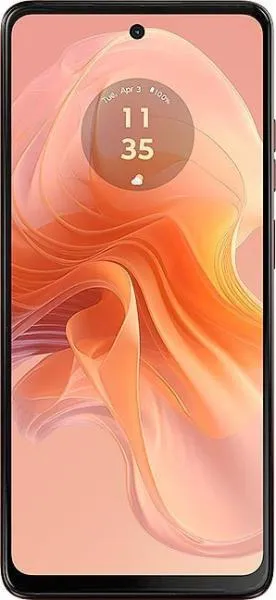
1. Specifications Comparison
| Feature | Xiaomi Redmi 12 | Motorola Moto G04s | Practical Impact |
|---|---|---|---|
| Design | |||
| Dimensions (mm) | 168.6 x 76.3 x 8.2 | 163.5 x 74.5 x 8.0 | Redmi 12 is slightly larger. Moto G04s may feel slightly more compact in hand. |
| Weight (g) | 198.5 | 178.8 | Noticeable weight difference; Moto G04s feels lighter and easier to hold for extended periods. |
| Build Material | Unspecified | Unspecified | Build quality and durability cannot be compared without further information. |
| Display | |||
| Size (inches) | 6.79 | 6.56 | Redmi 12 offers a larger screen for media consumption. |
| Resolution (px) | 1080 x 2460 | 720 x 1612 | Significantly sharper and more detailed visuals on the Redmi 12 due to higher resolution (FHD+ vs. HD+). Impacts clarity of text, images, and videos. |
| Pixel Density (PPI) | 396 | 269 | Redmi 12's higher PPI translates to crisper text and images. Moto G04s may exhibit pixelation, particularly noticeable when reading or viewing fine details. |
| Refresh Rate (Hz) | 90 | 90 | Both offer smooth scrolling and animations thanks to the 90Hz refresh rate. |
| Display Type | IPS LCD | IPS LCD | Similar color accuracy and viewing angles expected from both. Missing peak brightness data prevents comprehensive comparison. |
| Performance | |||
| Chipset | Mediatek Helio G88 (12nm) | Unisoc T606 (12nm) | Performance differences are likely, but benchmarking scores are needed for accurate comparison. Both are entry-level to mid-range chipsets. |
| CPU | Octa-core (2x2.0 GHz Cortex-A75 & 6x1.8 GHz Cortex-A55) | Octa-core (2x1.6 GHz Cortex-A75 & 6x1.6 GHz Cortex-A55) | Redmi 12's slightly higher clocked CPU cores may offer a minor performance advantage in demanding tasks. |
| GPU | Mali-G52 MC2 | Mali-G57 MP1 | Gaming performance differences are likely, but require further analysis with benchmark data. G57 architecture is generally newer but clock speeds and implementation details are crucial. |
| RAM | 4GB/8GB available | 4GB | Redmi 12 offers an 8GB RAM option, enabling better multitasking and smoother performance with demanding applications compared to the 4GB option in both. |
| Camera | |||
| Rear Camera | 50MP (Main) + 8MP (Wide) + 2MP (Macro) | 50MP (Main) | Redmi 12 offers a wider range of photographic options with its dedicated wide-angle and macro lens. Image quality comparison requires real-world sample images. |
| Front Camera | 8MP | 5MP | Redmi 12 has a higher resolution front camera, potentially producing better selfies. |
| Battery | |||
| Capacity (mAh) | 5000 | 5000 | Similar battery life expected, though actual usage will depend on software optimization and individual use patterns. |
2. Key Differences Analysis
Xiaomi Redmi 12 Advantages:
- Sharper Display: Significantly higher resolution display.
- More Versatile Camera: Dedicated wide-angle and macro lenses.
- Higher RAM Option: 8GB RAM variant available for improved multitasking.
- Slightly Faster CPU: Potentially faster performance in demanding tasks.
Motorola Moto G04s Advantages:
- Lighter and More Compact: Easier to hold and carry.
3. User Profiles & Recommendations
Xiaomi Redmi 12: Users who prioritize display quality, camera versatility, and performance for everyday tasks and occasional gaming. Ideal for media consumption, social media, and light productivity.
Motorola Moto G04s: Users who prioritize a lightweight and compact phone for basic communication, web browsing, and casual use. Best suited for those seeking affordability and portability.
4. Decision Framework
Key Questions for Buyers:
- How important is display quality? A sharper display significantly enhances the viewing experience.
- Do you frequently use your phone for photography? The Redmi 12's additional lenses provide more creative options.
- What is your budget and performance expectation? The Redmi 12's higher RAM option might be worth the price difference for smoother performance.
My Choice: Xiaomi Redmi 12
While the Motorola Moto G04s offers a lighter and more compact design, the Xiaomi Redmi 12 is the superior choice for me due to its significantly better display, more versatile camera system, and the availability of an 8GB RAM option. The sharper resolution and higher pixel density of the Redmi 12's display would greatly enhance my daily usage, especially for media consumption and reading. The additional camera lenses offer more flexibility for capturing different types of photos. Although benchmark data is missing, the slightly faster CPU cores and the potential for 8GB of RAM suggest the Redmi 12 would provide a smoother user experience for multitasking and more demanding applications. The slightly larger size and weight are a reasonable trade-off for these advantages.
