1. Specifications Comparison
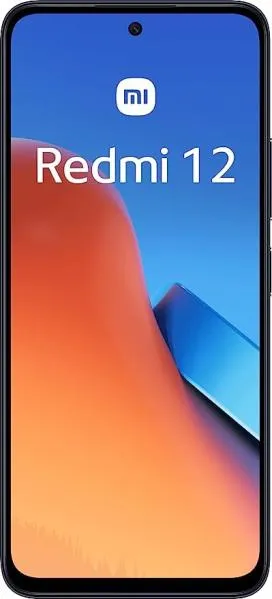
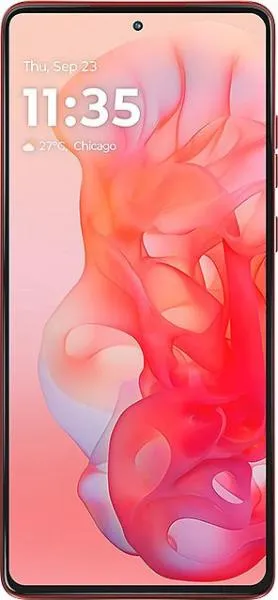
| Feature | Xiaomi Redmi 12 | Motorola Moto G Stylus 5G (2024) | Practical Impact |
|---|---|---|---|
| Design | |||
| Dimensions (mm) | 168.6 x 76.3 x 8.2 | 162.6 x 74.8 x 8.3 | Moto G Stylus is slightly smaller and might feel more comfortable in hand. |
| Weight (g) | 198.5 | 190 | Negligible weight difference in practical use. |
| Build Material | Not specified | Not specified | Cannot compare without information. |
| Display | |||
| Display Type | IPS LCD | P-OLED | P-OLED offers deeper blacks, more vibrant colors, and potentially better power efficiency. |
| Display Size (inches) | 6.79 | 6.7 | Negligible size difference. |
| Resolution | 1080 x 2460 | 1080 x 2400 | Virtually identical sharpness. |
| Refresh Rate (Hz) | 90 | 120 | Moto G Stylus offers smoother scrolling and animations. |
| Peak Brightness (nits) | 550 | 1200 | Moto G Stylus is significantly brighter, improving outdoor visibility. |
| Performance | |||
| Chipset | Mediatek Helio G88 (12nm) | Snapdragon 6 Gen 1 (4nm) | Snapdragon 6 Gen 1 offers significantly better performance and power efficiency due to its more advanced manufacturing process and architecture. |
| CPU | Octa-core (2x2.0 GHz Cortex-A75 & 6x1.8 GHz Cortex-A55) | Octa-core (4x2.2 GHz Cortex-A78 & 4x1.8 GHz Cortex-A55) | Moto G Stylus has more powerful CPU cores, resulting in faster app loading, multitasking, and smoother overall performance. |
| GPU | Mali-G52 MC2 | Adreno 710 | Adreno 710 offers superior graphics performance for gaming and demanding applications. |
| RAM (GB) | 4/8 | 8 | More RAM in Moto G Stylus allows for better multitasking and smoother performance. |
| Storage (GB) | 128/256 | 256 | Both offer ample storage, but Moto G Stylus only comes in a 256GB option in this comparison. |
| Camera | |||
| Main Camera (MP) | 50 | 50 | Comparable resolution; however, sensor and image processing details are crucial for actual image quality. |
| Ultrawide/Macro (MP) | 8/2 | 13 (Wide+Macro) | Moto G Stylus combines ultrawide and macro into one lens, offering versatility. Redmi 12 dedicates separate lenses. |
| Selfie Camera (MP) | 8 | 32 | Moto G Stylus has a significantly higher resolution selfie camera. |
| Video Recording | 1080p@30fps | Up to 4K@30fps | Moto G Stylus offers higher resolution video recording. |
| Battery | |||
| Capacity (mAh) | 5000 | 5000 | Identical battery capacity. Actual battery life depends on usage and efficiency of the components. |
2. Key Differences Analysis
Xiaomi Redmi 12 Advantages:
- Potentially Lower Price: While prices fluctuate, Redmi phones generally target a more budget-conscious market.
Motorola Moto G Stylus 5G (2024) Advantages:
- Significantly Better Performance: The Snapdragon 6 Gen 1 provides a noticeable performance advantage over the Helio G88.
- Superior Display: The P-OLED display with a 120Hz refresh rate offers a more visually appealing and responsive experience.
- 5G Connectivity: Offers faster mobile data speeds and improved network latency.
- Higher Resolution Selfie Camera: Suitable for users who prioritize high-quality self-portraits.
- Higher Resolution Video Recording: Captures more detailed videos.
- Stylus Support: The included stylus allows for precise note-taking and drawing (not explicitly mentioned but implied by the name).
- More Up-to-date Software: Ships with Android 14 with a likely upgrade path to Android 15, offering potentially longer software support.
3. User Profiles & Recommendations
Xiaomi Redmi 12: Best suited for budget-conscious users who prioritize basic smartphone functionality for tasks like calling, texting, browsing, and social media.
Motorola Moto G Stylus 5G (2024): Ideal for users who desire a more well-rounded experience with better performance, a superior display, 5G connectivity, and the versatility of a stylus. This phone caters to users who engage in more demanding tasks like mobile gaming, content creation, and multitasking.
4. Decision Framework
Key Questions for Buyers:
- What is your budget? The Redmi 12 is likely more affordable.
- What are your primary smartphone uses? Basic tasks vs. demanding applications/gaming.
- How important is display quality and performance? The Moto G Stylus offers a superior experience in these areas.
My Choice: Motorola Moto G Stylus 5G (2024)
While the Redmi 12 offers a budget-friendly option, the Moto G Stylus 5G (2024) provides a significantly more compelling overall package. The performance difference due to the Snapdragon 6 Gen 1, the vastly superior P-OLED display with a 120Hz refresh rate, 5G connectivity, and the inclusion of a stylus for added productivity make it a clear winner for me. Even if the price is higher, the long-term benefits in terms of user experience and longevity justify the investment. The improved camera features and more up-to-date software further solidify my choice. I value a smooth and responsive user experience, and the Moto G Stylus 5G (2024) delivers that in spades.
