1. Specifications Comparison
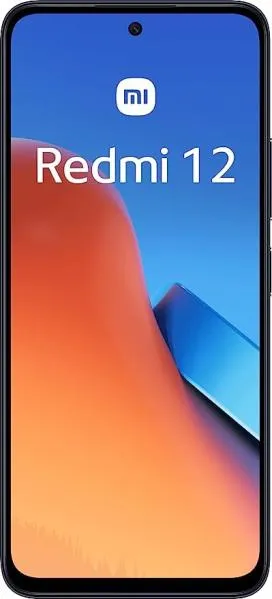
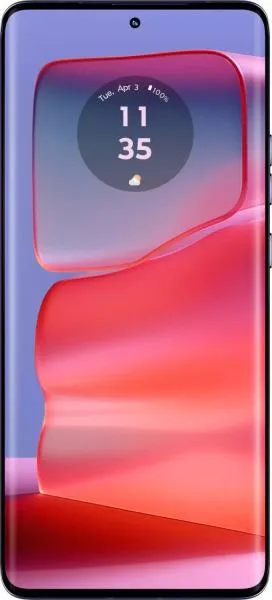
| Feature | Xiaomi Redmi 12 | Motorola Edge 50 Pro | Practical Impact |
|---|---|---|---|
| Design | |||
| Dimensions (mm) | 168.6 x 76.3 x 8.2 | 161.2 x 72.4 x 8.2 | Edge 50 Pro is slightly smaller and may feel more comfortable in hand. |
| Weight (g) | 198.5 | 186 | Redmi 12 is noticeably heavier. |
| Build | Unspecified | Unspecified | Build quality and materials cannot be compared without further information. |
| Display | |||
| Display Type | IPS LCD | P-OLED | P-OLED offers deeper blacks, richer colors, and potentially better power efficiency. |
| Size (inches) | 6.79 | 6.7 | Negligible size difference. |
| Resolution | 1080 x 2460 | 1220 x 2712 | Edge 50 Pro has a sharper display. |
| Refresh Rate (Hz) | 90 | 144 | Edge 50 Pro provides a smoother scrolling and gaming experience. |
| Peak Brightness (nits) | 550 | 2000 | Edge 50 Pro is significantly brighter, improving outdoor visibility. |
| HDR | No | HDR10+ | Edge 50 Pro supports HDR content for a wider dynamic range. |
| Performance | |||
| Chipset | Mediatek Helio G88 (12nm) | Snapdragon 7 Gen 3 (4nm) | Snapdragon 7 Gen 3 offers significantly better performance and efficiency. |
| CPU | Octa-core (2x2.0 GHz A75 & 6x1.8 GHz A55) | Octa-core (1x2.63 GHz A715 & 4x2.4 GHz A715 & 3x1.8 GHz A510) | Edge 50 Pro has a more powerful and modern CPU architecture. |
| GPU | Mali-G52 MC2 | Adreno 720 | Adreno 720 provides significantly better graphics performance for gaming. |
| RAM (GB) | 4/8 | 12 | Edge 50 Pro offers much more RAM for smoother multitasking. |
| Storage (GB) | 128/256 | 256/512/1TB | Edge 50 Pro offers larger storage options. |
| Camera | |||
| Main Camera (MP) | 50 | 50 | Megapixel count is similar, but sensor quality and other features can impact image quality. |
| Ultrawide (MP) | 8 | 13 | Edge 50 Pro likely offers a wider field of view and higher resolution ultrawide. |
| Telephoto (MP) | None | 10 | Edge 50 Pro offers optical zoom capabilities, absent in Redmi 12. |
| Video Recording | 1080p@30fps | Up to 4K@30fps with HDR, EIS | Edge 50 Pro allows for higher resolution and HDR video recording with stabilization. |
| Battery | |||
| Capacity (mAh) | 5000 | 4500 | Redmi 12 has a larger battery capacity, potentially offering longer battery life, but real-world usage depends on efficiency. |
| Charging Speed | Unspecified | Unspecified | Charging speeds cannot be compared without further information. |
2. Key Differences Analysis
Xiaomi Redmi 12 Advantages:
- Potentially longer battery life: Larger 5000 mAh battery.
- Lower Price: Significantly more affordable.
Motorola Edge 50 Pro Advantages:
- Significantly better performance: Snapdragon 7 Gen 3, more RAM, and superior GPU.
- Higher quality display: P-OLED with higher resolution, refresh rate, and HDR support.
- More versatile camera system: Telephoto lens for optical zoom, higher quality ultrawide, better video recording capabilities.
- More up-to-date software: Ships with Android 14 and longer software support.
3. User Profiles & Recommendations
Xiaomi Redmi 12: Budget-conscious users who prioritize basic functionality, long battery life, and affordability. Ideal for:
- Casual users primarily focused on calling, texting, and social media.
- Users in areas with limited network coverage where battery life is crucial.
Motorola Edge 50 Pro: Users seeking a well-rounded experience with strong performance, a high-quality display, and a versatile camera system. Ideal for:
- Mobile gamers
- Content consumers who enjoy watching videos and movies
- Photography enthusiasts
4. Decision Framework
Key Questions:
- What is your budget? The Redmi 12 is significantly cheaper.
- What are your performance needs? The Edge 50 Pro offers much better performance for demanding tasks.
- What are your priorities in a smartphone? Battery life, camera quality, display quality, performance, and software updates are all factors to consider.
My Choice: Motorola Edge 50 Pro
While the Redmi 12 offers excellent value for its price, the Motorola Edge 50 Pro is the superior device overall. The significantly improved performance, higher quality display, more versatile camera system, and longer software support justify the higher price for me. The Snapdragon 7 Gen 3, coupled with 12GB of RAM, will provide a smooth and responsive experience for years to come. While the battery is smaller, the more efficient chip likely offsets this difference in real-world usage. The superior display and camera system are also significant factors influencing my decision. I prioritize a smooth, responsive experience and future-proofing, making the Edge 50 Pro the clear winner.
