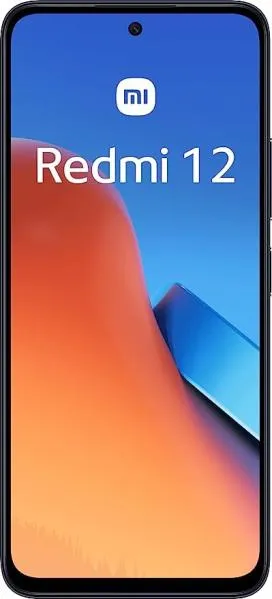
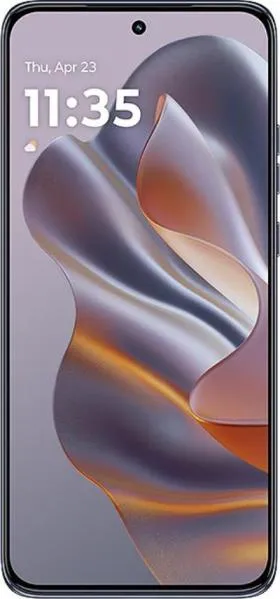
1. Specifications Comparison
| Feature | Xiaomi Redmi 12 | Motorola Edge 50 Neo | Practical Impact |
|---|---|---|---|
| Design | |||
| Dimensions (mm) | 168.6 x 76.3 x 8.2 | 154.1 x 71.2 x 8.1 | Edge 50 Neo is noticeably smaller and might be more comfortable for one-handed use. |
| Weight (g) | 198.5 | 171 | Redmi 12 is heavier, which some users might find less comfortable during extended use. |
| Build Material | Unspecified | Unspecified | Build material impacts durability and premium feel; lack of information limits comparison. |
| Display | |||
| Display Type | IPS LCD | LTPO P-OLED | Edge 50 Neo's OLED offers deeper blacks, better contrast, and potentially improved power efficiency due to LTPO. |
| Display Size (inches) | 6.79 | 6.4 | Redmi 12 provides a larger screen for media consumption, while Edge 50 Neo is more pocketable. |
| Resolution | 1080 x 2460 | 1256 x 2760 | Edge 50 Neo has a sharper display with higher pixel density (474 ppi vs 396 ppi), resulting in clearer text and images. |
| Refresh Rate (Hz) | 90 | 120 | Edge 50 Neo offers smoother scrolling and animations thanks to its higher refresh rate. |
| Peak Brightness (nits) | 550 | 3000 | Edge 50 Neo's significantly higher peak brightness ensures better visibility in direct sunlight. |
| Performance | |||
| Chipset | Mediatek Helio G88 (12nm) | Mediatek Dimensity 7300 (4nm) | Edge 50 Neo's Dimensity 7300, built on a smaller process node, offers significantly better performance and power efficiency. |
| CPU | Octa-core (2x2.0 GHz A75 & 6x1.8 GHz A55) | Octa-core (4x2.5 GHz A78 & 4x2.0 GHz A55) | Edge 50 Neo boasts more powerful CPU cores, translating to faster app loading, multitasking, and smoother overall performance. |
| GPU | Mali-G52 MC2 | Mali-G615 MC2 | Edge 50 Neo's GPU provides better gaming performance and graphics rendering. |
| RAM (GB) | 4/8 | 8/12 | More RAM in higher-end Edge 50 Neo configurations enables better multitasking and smoother performance. |
| Camera | |||
| Main Camera (MP) | 50 | 50 | Megapixel count is similar; sensor quality and software processing will determine actual image quality differences. Edge 50 Neo uses a larger sensor (1/1.56\" vs 1/2.76\") allowing for better low-light performance and depth of field. |
| Ultrawide (MP) | 8 | 13 | Edge 50 Neo has a higher resolution ultrawide camera, likely capturing more detail. |
| Other Cameras | Macro 2MP | Telephoto 10MP | Edge 50 Neo offers a more versatile camera setup with a telephoto lens for optical zoom, while Redmi 12 has a less useful macro lens. |
| Video Recording | 1080p@30fps | Up to 4K@30fps | Edge 50 Neo supports higher resolution video recording. |
| Battery | |||
| Capacity (mAh) | 5000 | 4310 | Redmi 12 has a larger battery capacity, potentially offering longer battery life despite its less efficient display. |
| Charging Speed | Unspecified | Unspecified | Charging speed significantly impacts usability; lack of information limits comparison. |
2. Key Differences Analysis
Xiaomi Redmi 12 Advantages:
- Larger Display: Better for media consumption.
- Potentially Longer Battery Life: Larger battery capacity may compensate for less efficient display.
- Lower Price: Offers a more budget-friendly option.
Motorola Edge 50 Neo Advantages:
- Significantly Better Performance: More powerful processor, GPU, and more RAM.
- Superior Display: OLED technology, higher resolution, refresh rate, and brightness.
- More Versatile Camera System: Telephoto lens offers optical zoom.
- More Recent OS with Longer Support: Ships with Android 14 and guaranteed updates to Android 19.
3. User Profiles & Recommendations
Xiaomi Redmi 12: Budget-conscious users prioritizing a large display for media consumption and basic tasks. Not recommended for demanding gaming or heavy multitasking.
Motorola Edge 50 Neo: Users who value performance, a high-quality display, and a versatile camera system. Suitable for gaming, multitasking, and content creation.
4. Decision Framework
Key Questions for Buyers:
- What is your budget? Redmi 12 is significantly cheaper.
- What are your primary use cases? (e.g., gaming, media consumption, photography)
- How important is long-term software support? Edge 50 Neo offers longer OS updates.
My Choice: Motorola Edge 50 Neo
While the Redmi 12 offers a larger battery and lower price, the Motorola Edge 50 Neo is the superior device overall. Its significantly better performance, higher-quality display, more versatile camera system, and longer software support make it a much more compelling option for the long term. The slightly smaller battery is likely offset by the Edge 50 Neo's more power-efficient OLED display and 4nm chipset. The price difference is justifiable for the substantial upgrade in user experience. Even if battery life is a top priority, I would invest in a fast charger for the Edge 50 Neo to mitigate the smaller battery capacity.
