1. Specifications Comparison
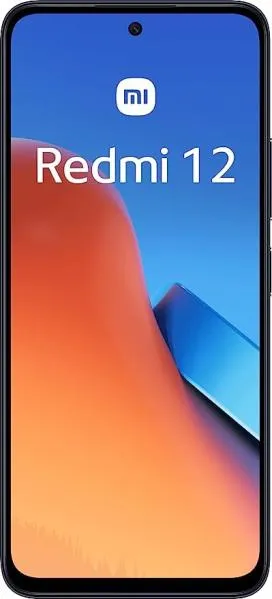
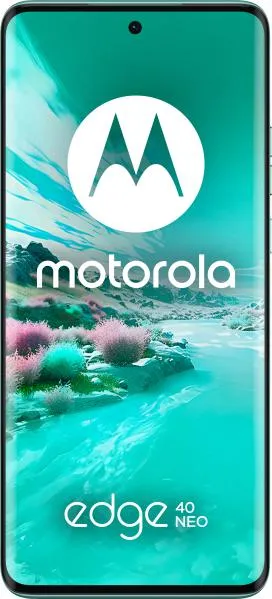
| Feature | Xiaomi Redmi 12 | Motorola Edge 40 Neo | Practical Impact |
|---|---|---|---|
| Design | |||
| Dimensions (mm) | 168.6 x 76.3 x 8.2 | 159.6 x 72 x 7.9 | Edge 40 Neo is noticeably smaller and slightly thinner, making it more pocketable and easier to handle. |
| Weight (g) | 198.5 | 170 | The Edge 40 Neo is significantly lighter, reducing hand fatigue during extended use. |
| Build | Unspecified | Unspecified | Build quality and materials cannot be compared without further information. |
| Display | |||
| Display Type | IPS LCD | P-OLED | P-OLED offers deeper blacks, more vibrant colors, and better power efficiency compared to IPS LCD. |
| Display Size (inches) | 6.79 | 6.55 | Redmi 12 has a slightly larger screen, providing more immersive content consumption but potentially reduced one-handed usability. |
| Refresh Rate (Hz) | 90 | 144 | Edge 40 Neo's higher refresh rate delivers smoother animations and scrolling, enhancing the overall user experience, especially in gaming. |
| Peak Brightness (nits) | 550 | 1300 | Edge 40 Neo's significantly higher peak brightness ensures better visibility in direct sunlight. |
| HDR | No | HDR10+ | Edge 40 Neo supports HDR10+ for enhanced dynamic range and more realistic visuals in compatible content. |
| Performance | |||
| Chipset | Mediatek Helio G88 (12nm) | MediaTek Dimensity 7030 (6nm) | Dimensity 7030, built on a smaller process node, offers significantly better performance and power efficiency than the Helio G88. |
| CPU | Octa-core (2x2.0 GHz Cortex-A75 & 6x1.8 GHz Cortex-A55) | Octa-core (2x2.5 GHz Cortex-A78 & 6x2.0 GHz Cortex-A55) | Edge 40 Neo's CPU features more powerful cores (Cortex-A78) clocked at higher speeds, resulting in noticeably faster performance in demanding tasks and multitasking. |
| GPU | Mali-G52 MC2 | Mali-G610 MC3 | Edge 40 Neo's GPU is considerably more powerful, enabling smoother gaming and faster graphics rendering. |
| RAM (GB) | 4/8 | 12 | The Edge 40 Neo's larger RAM capacity allows for more apps to run in the background without reloading, improving multitasking performance. |
| Camera | |||
| Main Camera (MP) | 50 | 50 | Megapixel count is similar, but sensor and lens quality are crucial and cannot be fully assessed without more details. |
| Ultrawide (MP) | 8 | 13 | Edge 40 Neo has a higher resolution ultrawide camera, potentially capturing more detail. |
| Selfie Camera (MP) | 8 | 32 | Edge 40 Neo offers a significantly higher resolution selfie camera for better quality self-portraits. |
| Video Recording | 1080p@30fps | 4K@30fps | Edge 40 Neo can record videos at a much higher resolution (4K). |
| Battery | |||
| Capacity (mAh) | 5000 | 5000 | Battery capacities are identical. However, real-world battery life depends on factors like software optimization and display efficiency, where the Edge 40 Neo likely has an advantage due to its more efficient P-OLED display and chipset. |
2. Key Differences Analysis
Motorola Edge 40 Neo Advantages:
- Superior Performance: Significantly faster processor, GPU, and more RAM for a smoother, more responsive user experience.
- Better Display: P-OLED technology with higher refresh rate, brighter display, and HDR10+ support for a more visually appealing experience.
- More Compact Design: Smaller and lighter build for easier handling and portability.
- Enhanced Camera Features: Higher resolution selfie camera, 4K video recording, and Optical Image Stabilization (OIS) for improved photo and video quality.
Xiaomi Redmi 12 Advantages:
- Potentially Lower Price: While prices fluctuate, Redmi phones generally target a more budget-conscious market.
- Slightly Larger Display: Offers a more immersive viewing experience for multimedia consumption.
Trade-offs:
- Redmi 12 sacrifices performance, display quality, and camera features for potential affordability.
- Edge 40 Neo has a smaller display and may be more expensive.
3. User Profiles & Recommendations
Xiaomi Redmi 12: Users on a tight budget prioritizing basic smartphone functionality (calls, messaging, social media) and a large screen for media consumption.
Motorola Edge 40 Neo: Users who value performance, a smooth and responsive user experience, a vibrant display, good camera quality, and a more compact design. Suitable for gaming, multitasking, content creation, and photography enthusiasts.
4. Decision Framework
Key Questions for Buyers:
- What is your budget? The Redmi 12 likely offers a lower entry price.
- What are your primary use cases? Gaming, multitasking, and content creation benefit from the Edge 40 Neo's superior performance.
- Do you prioritize display quality and camera features? The Edge 40 Neo excels in these areas.
Scenario-Based Recommendations:
- Tight Budget, Basic Use: Redmi 12
- Balanced Performance and Price: Edge 40 Neo (if within budget)
- Gaming and Multimedia Enthusiast: Edge 40 Neo
My Choice: Motorola Edge 40 Neo
The Motorola Edge 40 Neo offers a significantly better overall package despite the likely higher price. The superior performance, more vibrant and smoother display, enhanced camera features, and more compact design are compelling advantages. The Dimensity 7030 chipset, coupled with 12GB of RAM and a 144Hz P-OLED display, promises a fluid and enjoyable user experience. While the Redmi 12 might be suitable for budget-conscious users with basic needs, the Edge 40 Neo's advantages in crucial areas like performance and display make it a more future-proof and satisfying choice for a wider range of users.
