1. Specifications Comparison
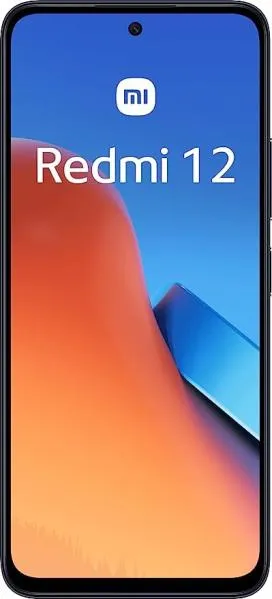
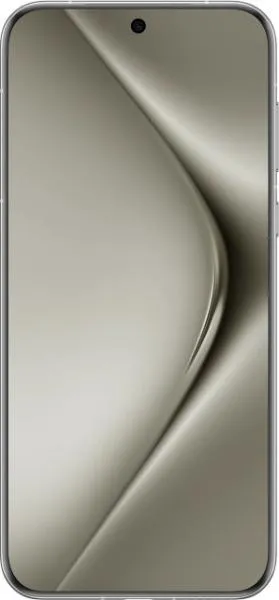
| Feature | Xiaomi Redmi 12 | Huawei Pura 70 Pro | Practical Impact |
|---|---|---|---|
| Design | |||
| Dimensions (mm) | 168.6 x 76.3 x 8.2 | 162.6 x 75.1 x 8.4 | Redmi 12 is slightly taller and wider, Pura 70 Pro slightly thicker. Negligible difference in real-world usage. |
| Weight (g) | 198.5 | 220 | Pura 70 Pro is noticeably heavier, potentially impacting one-handed use and pocket comfort. |
| Display | |||
| Display Type | IPS LCD | LTPO OLED | OLED offers superior contrast, deeper blacks, and potentially better power efficiency due to per-pixel illumination. |
| Display Size (inches) | 6.79 | 6.8 | Negligible size difference. Both offer large screens suitable for media consumption. |
| Resolution | 1080 x 2460 | 1260 x 2844 | Pura 70 Pro has a sharper display with higher pixel density, resulting in crisper text and images. |
| Refresh Rate (Hz) | 90 | 120 | Pura 70 Pro's higher refresh rate provides smoother animations and scrolling, enhancing the overall user experience. |
| Peak Brightness (nits) | 550 | 2500 | Pura 70 Pro offers significantly higher peak brightness, ensuring excellent outdoor visibility even in direct sunlight. |
| Performance | |||
| Chipset | Mediatek Helio G88 (12nm) | Kirin 9010 (7nm) | Kirin 9010 is a significantly more powerful and efficient processor, enabling superior performance in demanding tasks and gaming. |
| CPU | Octa-core (2x2.0 GHz Cortex-A75 & 6x1.8 GHz Cortex-A55) | Octa-core (1x2.3 GHz Taishan Big & 3x2.18 GHz Taishan Mid & 4x1.55 GHz Cortex-A510) | Kirin 9010's advanced architecture and higher clock speeds translate to much faster processing and multitasking. |
| RAM (GB) | 4/8 | 12 | Pura 70 Pro offers substantially more RAM, enabling smoother multitasking and preventing apps from closing in the background. |
| Camera | |||
| Main Camera (MP) | 50 | 50 | Similar megapixel count, but sensor size and other factors will determine actual image quality. |
| Aperture | f/1.8 | f/1.4 | Pura 70 Pro's wider aperture allows for better low-light performance and shallower depth of field. |
| Optical Zoom | No | 3.5x | Pura 70 Pro offers optical zoom for capturing distant subjects without loss of detail. |
| Battery | |||
| Capacity (mAh) | 5000 | 5050 | Negligible difference in battery capacity. Real-world battery life will depend on usage and optimization. |
2. Key Differences Analysis
Xiaomi Redmi 12 Advantages:
- Lower Price: Significantly more affordable.
- Lighter Weight: More comfortable for extended use.
Huawei Pura 70 Pro Advantages:
- Superior Performance: Significantly faster processor, more RAM, smoother performance.
- Higher Quality Display: OLED with higher resolution, refresh rate, and brightness.
- Better Camera System: Wider aperture for improved low-light photography and optical zoom.
- More Advanced Connectivity: WiFi 6, Bluetooth 5.2, DisplayPort 1.2.
Trade-offs:
- Price: The Pura 70 Pro is significantly more expensive.
- Weight: The Pura 70 Pro is heavier.
3. User Profiles & Recommendations
Xiaomi Redmi 12: Budget-conscious users who prioritize basic functionality, social media, and light gaming.
Huawei Pura 70 Pro: Users who demand top-tier performance, a premium display, advanced camera features, and the latest connectivity options. Suitable for demanding tasks, gaming, and content creation.
4. Decision Framework
Key Questions for Buyers:
- What is your budget? The Redmi 12 is a budget-friendly option, while the Pura 70 Pro is a premium device.
- What are your primary use cases? For basic tasks, the Redmi 12 suffices. For demanding tasks and gaming, the Pura 70 Pro is a better choice.
- How important is display and camera quality? The Pura 70 Pro offers a superior visual experience and more versatile camera features.
Scenario-Based Recommendations:
- Limited Budget: Redmi 12
- Performance Focused: Pura 70 Pro
- Best Display Quality: Pura 70 Pro
- Photography Enthusiast: Pura 70 Pro
My Choice: Huawei Pura 70 Pro
While the Xiaomi Redmi 12 offers excellent value for its price, the Huawei Pura 70 Pro is the clear winner for me. Its superior performance, stunning display, advanced camera system, and future-proof connectivity make it a compelling device. The price difference is significant, but the Pura 70 Pro offers a substantial upgrade in almost every aspect. I prioritize a smooth and responsive user experience, high-quality visuals, and good camera performance, making the Pura 70 Pro the better choice despite its higher price and weight. The significantly more powerful processor and ample RAM would ensure a smooth user experience for years to come, justifying the higher investment.
