1. Specifications Comparison
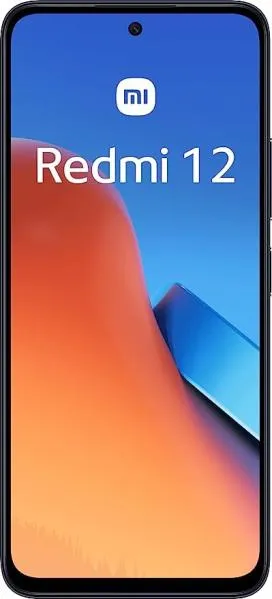
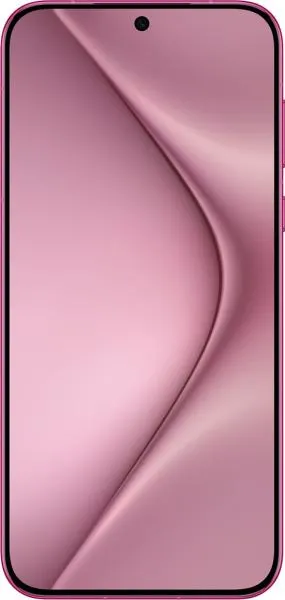
| Feature | Xiaomi Redmi 12 | Huawei Pura 70 | Practical Impact |
|---|---|---|---|
| Design | |||
| Dimensions (mm) | 168.6 x 76.3 x 8.2 | 157.6 x 74.3 x 8.0 | Redmi 12 is taller and wider, Pura 70 is slightly thinner. Pura 70 might feel more compact in hand. |
| Weight (g) | 198.5 | 207 | Negligible weight difference in real-world usage. |
| Build Materials | Not specified | Not specified | Cannot compare build quality and durability without more information. |
| Display | |||
| Display Type | IPS LCD | LTPO OLED | OLED offers significantly better contrast, deeper blacks, and potentially lower power consumption. LTPO allows for dynamic refresh rate adjustment further saving battery. |
| Display Size (inches) | 6.79 | 6.6 | Redmi 12 has a slightly larger screen, offering more screen real estate. |
| Resolution | 1080 x 2460 | 1256 x 2760 | Pura 70 has a sharper display with higher pixel density, resulting in crisper text and images. |
| Refresh Rate (Hz) | 90 | 120 | Pura 70's 120Hz display will feel smoother and more responsive, especially in gaming and scrolling. |
| Peak Brightness (nits) | 550 | 2500 | Pura 70's significantly higher peak brightness ensures excellent outdoor visibility. |
| Performance | |||
| Chipset | Mediatek Helio G88 (12nm) | Kirin 9000S1 | Kirin 9000S1 is significantly more powerful, enabling smoother multitasking, faster app loading, and better gaming performance. |
| CPU | Octa-core (2x2.0 GHz Cortex-A75 & 6x1.8 GHz Cortex-A55) | Octa-core | Specific core configuration not available for Pura 70, limiting detailed comparison. However, based on chipset differences, Pura 70 is expected to be significantly faster. |
| GPU | Mali-G52 MC2 | 8 | Insufficient information for Pura 70's GPU. Detailed performance comparison not possible. |
| RAM | 4/8 GB | 12 GB | Pura 70's 12GB RAM ensures significantly better multitasking and reduces app reloading. |
| Storage | 128/256 GB | 512GB/1TB | Pura 70 offers much larger storage options. |
| Camera | |||
| Main Camera (MP) | 50 | 50 | Megapixel count is similar but sensor details matter more. Pura 70's larger sensor (1/1.3") and wider aperture (f/1.4) suggest better low-light performance. |
| Other Cameras | 8MP Wide, 2MP Macro | 13MP Wide, 12MP Telephoto | Pura 70 offers a more versatile camera system with a telephoto lens for optical zoom. |
| Battery | |||
| Capacity (mAh) | 5000 | 4900 | Very similar battery capacities. Real-world battery life will depend on software optimization and usage patterns. Pura 70's LTPO display could contribute to better efficiency. |
2. Key Differences Analysis
Xiaomi Redmi 12 Advantages:
- Larger Display: Offers more screen real estate for media consumption.
- Potentially Lower Price: Belongs to a "medium price" range, likely more affordable than the Pura 70.
Huawei Pura 70 Advantages:
- Significantly Superior Performance: Kirin 9000S1 and 12GB RAM provide a much smoother and faster user experience.
- Higher Quality Display: LTPO OLED with higher resolution, refresh rate, and peak brightness provides a vastly improved visual experience.
- More Versatile Camera System: Telephoto lens enables optical zoom and overall better image quality, especially in low light.
- More Premium Features: Includes features like an in-display fingerprint sensor, USB Type-C 3.1 with DisplayPort, and faster charging (although speeds are not specified).
Trade-offs:
- Price: The Pura 70 is significantly more expensive.
- Screen Size: The Redmi 12 offers a slightly larger display, which might be preferred by some users.
3. User Profiles & Recommendations
Xiaomi Redmi 12: Budget-conscious users who prioritize a large display for basic tasks like browsing, social media, and video consumption.
Huawei Pura 70: Users who demand top-tier performance, a premium display, and a versatile camera system. Suitable for demanding tasks like gaming, content creation, and photography.
4. Decision Framework
Key Questions for Buyers:
- What is your budget? The Redmi 12 is a budget-friendly option, while the Pura 70 is a premium device.
- What are your performance requirements? For demanding tasks, the Pura 70 is significantly better.
- What display quality do you prioritize? The Pura 70's OLED display is superior in every aspect.
My Choice: Huawei Pura 70
While significantly more expensive, the Huawei Pura 70 offers a substantial upgrade in performance, display quality, and camera versatility. The Kirin 9000S1, coupled with 12GB of RAM, ensures a future-proof device capable of handling demanding tasks. The LTPO OLED display offers a visually stunning experience. While the Redmi 12 provides a larger display and a lower price point, the overall user experience offered by the Pura 70 justifies the premium. The improved camera system with a telephoto lens further solidifies its position as the superior device. As a tech enthusiast prioritizing performance and quality, the Pura 70 is the clear winner for me.
