1. Specifications Comparison
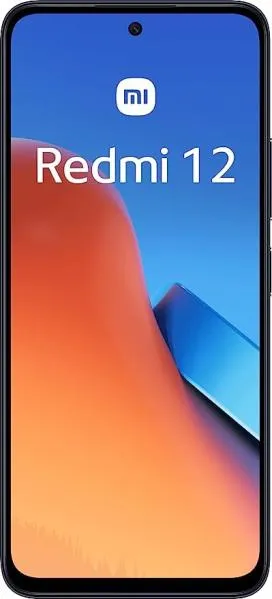
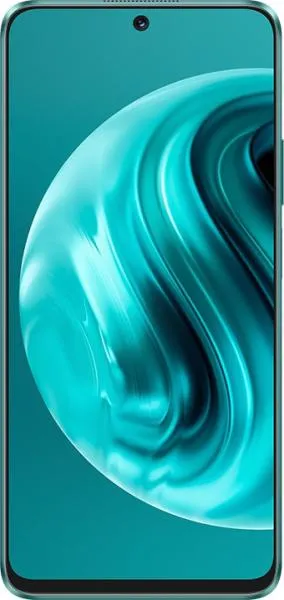
| Feature | Xiaomi Redmi 12 | Huawei nova 12i | Practical Impact |
|---|---|---|---|
| Design | |||
| Dimensions (mm) | 168.6 x 76.3 x 8.2 | 163.3 x 74.7 x 8.4 | Redmi 12 is slightly taller and wider, but marginally thinner. Negligible difference in hand feel. |
| Weight (g) | 198.5 | 199 | Virtually identical weight. |
| Display | |||
| Size (inches) | 6.79 | 6.7 | Redmi 12 has a slightly larger screen, offering marginally more immersive content consumption. |
| Resolution (px) | 1080 x 2460 | 1080 x 2388 | Similar resolutions; both offer sharp visuals at this size. Redmi 12's slightly taller aspect ratio may be better for scrolling web pages. |
| Refresh Rate (Hz) | 90 | 90 | Both offer smooth scrolling and animations. |
| Display Type | IPS LCD | IPS LCD | Similar display technology; expect comparable color accuracy and viewing angles. |
| Performance | |||
| Chipset | Mediatek Helio G88 (12nm) | Qualcomm Snapdragon 680 4G (6nm) | Snapdragon 680 is built on a smaller node (6nm vs 12nm), likely resulting in better power efficiency for the Nova 12i. |
| CPU | Octa-core (2x2.0 GHz Cortex-A75 & 6x1.8 GHz Cortex-A55) | Octa-core (4x2.4 GHz Cortex-A73 & 4x1.9 GHz Cortex-A53) | Snapdragon 680 uses more powerful Cortex-A73 cores, likely providing better performance in demanding tasks. |
| GPU | Mali-G52 MC2 | Adreno 610 | Adreno 610 generally offers better gaming performance compared to Mali-G52 MC2. |
| RAM (GB) | 4/8 | 8 | Nova 12i offers 8GB RAM as standard, ensuring smoother multitasking and better handling of demanding applications compared to the base 4GB RAM variant of Redmi 12. |
| Camera | |||
| Main Camera (MP) | 50 | 108 | Nova 12i boasts a significantly higher resolution main camera, potentially capturing more detail. However, sensor size and image processing play a crucial role in final image quality, which cannot be determined from specs alone. |
| Other Cameras | 8MP ultrawide, 2MP macro | 2MP depth | Redmi 12 offers a more versatile camera setup with an ultrawide lens. Nova 12i has a depth sensor primarily for portrait mode. |
| Battery | |||
| Capacity (mAh) | 5000 | 5000 | Identical battery capacity; real-world battery life will depend on software optimization and usage patterns. Given the Snapdragon 680's efficiency, Nova 12i might offer slightly better battery life. |
2. Key Differences Analysis
Xiaomi Redmi 12 Advantages:
- Slightly Larger Display: Offers marginally more immersive content consumption.
- Ultrawide Camera: Provides more versatile photography options.
- Lower Price (depending on configuration): Offers better value for budget-conscious users.
Huawei nova 12i Advantages:
- More Powerful Processor: Likely delivers better overall performance and smoother multitasking.
- More Efficient Chipset: Potentially leading to longer battery life.
- Higher Resolution Main Camera: May capture images with more detail.
- Higher base RAM: 8GB ensures smooth performance even with multiple apps open.
3. User Profiles & Recommendations
Xiaomi Redmi 12: Ideal for budget-conscious users prioritizing a large display and versatile camera system for everyday use. Suitable for social media, casual gaming, and content consumption.
Huawei nova 12i: Better suited for users who value performance and battery life. Suitable for moderate gaming, multitasking, and users who prioritize a higher-resolution main camera.
4. Decision Framework
Key Questions for Buyers:
- What is your budget? The Redmi 12 generally offers a lower price point.
- What are your performance needs? For demanding tasks and gaming, the Nova 12i is likely the better choice.
- What are your photography priorities? The Redmi 12 offers more versatility with its ultrawide lens, while the Nova 12i boasts a higher resolution main sensor.
Scenario-Based Recommendations:
- Tight budget, casual usage: Redmi 12
- Moderate gaming, long battery life: Nova 12i
- Photography enthusiast on a budget: Redmi 12
- Performance focused user: Nova 12i
My Choice: Huawei nova 12i
While the Redmi 12 offers a compelling value proposition, I would choose the Huawei nova 12i. The more efficient and powerful Snapdragon 680, coupled with 8GB of RAM, is a significant advantage for long-term performance and battery life. Although the Redmi 12 offers an ultrawide camera, the potentially superior image quality and detail from the Nova 12i's 108MP main sensor, combined with its overall smoother performance, make it the more appealing choice for me. The slightly higher price is justifiable for the performance gains and potential longevity. However, I acknowledge the lack of specific information regarding camera sensor size and image processing capabilities for both phones makes a definitive camera quality comparison difficult. If budget is a major constraint, the Redmi 12 remains a solid option.
