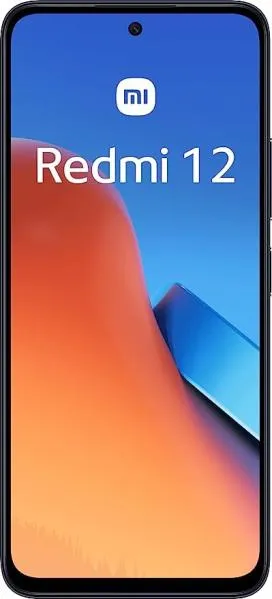
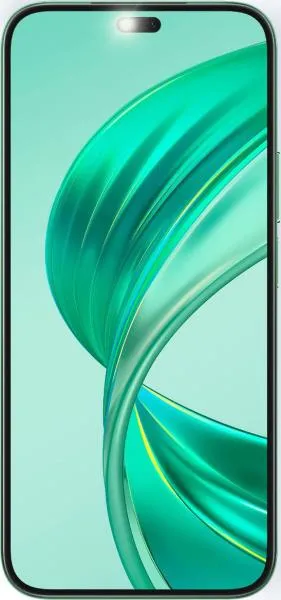
1. Specifications Comparison
| Feature | Xiaomi Redmi 12 | Honor X8b | Practical Impact |
|---|---|---|---|
| Design | |||
| Dimensions (mm) | 168.6 x 76.3 x 8.2 | 161.1 x 74.6 x 6.8 | Honor X8b is noticeably more compact and thinner, potentially improving one-handed usability. |
| Weight (g) | 198.5 | 166 | Honor X8b is significantly lighter, reducing hand fatigue during extended use. |
| Build Material | Not specified | Not specified | Cannot compare build quality and durability without this information. |
| Display | |||
| Display Type | IPS LCD | AMOLED | AMOLED generally offers better contrast, deeper blacks, and more vibrant colors compared to IPS LCD, leading to a more visually appealing experience. |
| Display Size (inches) | 6.79 | 6.7 | Negligible difference in screen real estate. |
| Resolution | 1080 x 2460 | 1080 x 2412 | Virtually identical resolution, resulting in similar sharpness. |
| Refresh Rate (Hz) | 90 | 90 | Both offer smooth scrolling and animations. |
| Peak Brightness (nits) | 550 | 2000 | Honor X8b's significantly higher peak brightness ensures better visibility in direct sunlight. |
| Performance | |||
| Chipset | Mediatek Helio G88 (12nm) | Snapdragon 680 4G (6nm) | Snapdragon 680 is built on a smaller node (6nm vs 12nm), suggesting better power efficiency. Performance differences might be noticeable in demanding tasks. |
| CPU | Octa-core (2x2.0 GHz Cortex-A75 & 6x1.8 GHz Cortex-A55) | Octa-core (4x2.4 GHz Kryo 265 Gold & 4x1.9 GHz Kryo 265 Silver) | Clock speeds suggest potential performance advantage for Honor X8b, especially in multi-core workloads. |
| GPU | Mali-G52 MC2 | Adreno 610 | Adreno 610 generally offers better gaming performance compared to Mali-G52 MC2. |
| RAM | 4/8GB | 6/8GB | Both offer configurations with ample RAM for multitasking, though higher RAM options on both provide smoother performance with more demanding apps. |
| Camera | |||
| Main Camera (MP) | 50 | 108 | Honor X8b boasts a higher resolution main sensor, potentially capturing more detail. However, megapixel count isn't the sole determinant of image quality. Sensor size and software processing play a crucial role. Missing sensor size information limits detailed analysis. |
| Selfie Camera (MP) | 8 | 50 | Honor X8b has a significantly higher resolution selfie camera. |
| Video Recording | 1080p@30fps | 1080p@30fps | Identical video recording capabilities. |
| Battery | |||
| Capacity (mAh) | 5000 | 4500 | Redmi 12 has a larger battery, potentially offering longer usage time. However, actual battery life depends on various factors including software optimization and display type. |
2. Key Differences Analysis
Xiaomi Redmi 12 Advantages:
- Larger Battery: Potentially longer battery life.
- Lower Price: Generally more affordable based on provided price ranges.
Honor X8b Advantages:
- Superior Display: AMOLED technology with much higher peak brightness, resulting in a more vibrant and easily viewable screen.
- More Powerful Processor: Likely better performance in demanding tasks and gaming.
- More Compact and Lighter Design: Easier to handle and carry.
- Higher Resolution Main and Selfie Cameras: Potential for more detailed photos, but dependent on sensor size and image processing.
3. User Profiles & Recommendations
Xiaomi Redmi 12: Budget-conscious users prioritizing battery life for basic tasks like calling, texting, and web browsing.
Honor X8b: Users prioritizing display quality, performance, and a more compact design. Suitable for gaming, media consumption, and photography enthusiasts.
4. Decision Framework
Key Questions for Buyers:
- What is your budget? Redmi 12 is a more budget-friendly option.
- What are your primary use cases? Gaming and media consumption favor the Honor X8b. Basic tasks and long battery life favor the Redmi 12.
- Do you prioritize display quality and design? Honor X8b excels in these areas.
My Choice: Honor X8b
While the Redmi 12 offers a larger battery and lower price, the Honor X8b's superior AMOLED display, more powerful processor, and sleeker design are more compelling to me. I prioritize a good visual experience and smooth performance, and the X8b delivers in these areas. The brighter display is also crucial for outdoor usability. Although the battery is slightly smaller, the Snapdragon 680's efficiency might offset this difference in real-world usage. The price difference is justifiable for the significant upgrade in overall user experience. The lack of NFC on the Honor X8b is a drawback, but not a dealbreaker for me personally.
