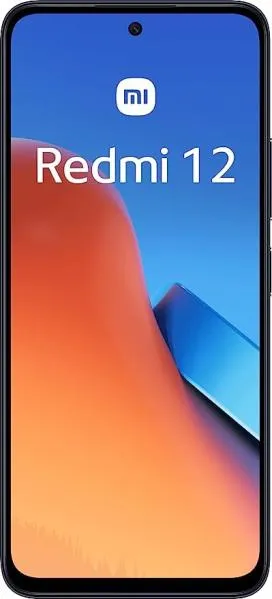
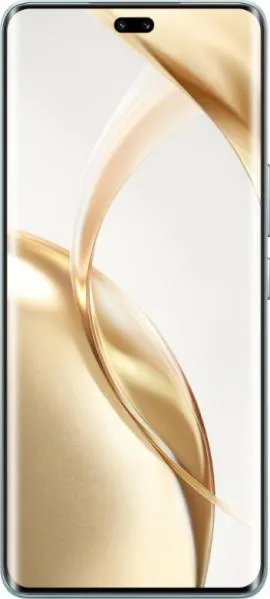
1. Specifications Comparison
| Feature | Xiaomi Redmi 12 | Honor 200 Pro | Practical Impact |
|---|---|---|---|
| Design | |||
| Dimensions (mm) | 168.6 x 76.3 x 8.2 | 163.3 x 75.2 x 8.2 | Honor 200 Pro is slightly smaller and may feel more comfortable in hand. |
| Weight (g) | 198.5 | 199 | Negligible weight difference. |
| Fingerprint Sensor | Side-mounted | Under display | Preference-based, but under-display is often perceived as more modern. |
| Display | |||
| Display Type | IPS LCD | OLED | OLED offers deeper blacks, better contrast, and potentially higher power efficiency. |
| Display Size (inches) | 6.79 | 6.78 | Virtually identical screen sizes. |
| Resolution | 1080 x 2460 | 1224 x 2700 | Honor 200 Pro has a sharper display with higher pixel density. |
| Refresh Rate (Hz) | 90 | 120 | Honor 200 Pro provides smoother scrolling and animations. |
| Peak Brightness (nits) | 550 | 4000 | Honor 200 Pro is significantly brighter, improving outdoor visibility. |
| Color Depth | Not specified | 1B | Honor 200 Pro supports a wider color gamut leading to more vibrant visuals. |
| Performance | |||
| Chipset | Mediatek Helio G88 (12nm) | Snapdragon 8s Gen 3 (4nm) | Honor 200 Pro boasts significantly superior processing power, enabling smoother multitasking and demanding gaming. The more efficient 4nm process also contributes to better battery life. |
| CPU | Octa-core (2x2.0 GHz A75 & 6x1.8 GHz A55) | Octa-core (1x3.0 GHz X4 & 4x2.8 GHz A720 & 3x2.0 GHz A520) | Honor 200 Pro has a more powerful and modern CPU architecture. |
| GPU | Mali-G52 MC2 | Adreno 735 | Honor 200 Pro offers significantly better graphics performance for gaming. |
| RAM | 4/8 GB | 12 GB | Honor 200 Pro has substantially more RAM, allowing for more apps to run in the background without performance slowdown. |
| Camera | |||
| Main Camera (MP) | 50 | 50 | Comparable megapixel count, but sensor quality and other features likely differ. |
| Other Cameras | 8MP Wide, 2MP Macro | 12MP Wide, 50MP Telephoto | Honor 200 Pro provides more versatile camera options with a dedicated telephoto lens. |
| Video Recording | 1080p@30fps | Up to 4K@30fps with OIS/EIS | Honor 200 Pro offers higher resolution video recording with stabilization. |
| Battery | |||
| Capacity (mAh) | 5000 | 5200 | Honor 200 Pro has a slightly larger battery. |
2. Key Differences Analysis
Honor 200 Pro Advantages:
- Significantly more powerful: Superior chipset, CPU, GPU, and RAM translate to a smoother, faster, and more capable overall experience.
- Better display: OLED technology, higher resolution, refresh rate, and brightness deliver a more vibrant and immersive visual experience.
- More versatile camera system: Telephoto lens adds optical zoom capabilities. OIS and EIS ensure stable video recording.
- More future-proof: Newer Android version with longer support window and 5G connectivity.
Xiaomi Redmi 12 Advantages:
- Potentially lower price: Given the "medium price" range designation, but with significantly lower specs, the Redmi 12 is likely more affordable.
3. User Profiles & Recommendations
Xiaomi Redmi 12: Budget-conscious users who prioritize basic functionality: calling, texting, web browsing, and light social media usage.
Honor 200 Pro: Users who demand high performance for gaming, multitasking, media consumption, and photography/videography. Those seeking a future-proof device with the latest features.
4. Decision Framework
Key Questions:
- What is your budget? The Redmi 12 likely offers better value if price is the primary concern.
- What are your primary smartphone uses? For demanding tasks, the Honor 200 Pro is superior. For basic usage, the Redmi 12 may suffice.
- How important is future-proofing? The Honor 200 Pro's newer hardware and software ensure a longer lifespan.
Scenario-Based Recommendations:
- Student on a tight budget: Redmi 12
- Mobile gamer: Honor 200 Pro
- Photography enthusiast: Honor 200 Pro
- Casual user who upgrades infrequently: Honor 200 Pro
My Choice: Honor 200 Pro
While pricing information is incomplete, even if the Honor 200 Pro is significantly more expensive, the substantial performance difference, superior display, more versatile camera, and future-proof features make it the clear winner for me. The Snapdragon 8s Gen 3, coupled with 12GB RAM, guarantees a smooth user experience for years to come. The OLED display is a major upgrade over the Redmi 12's LCD. As someone who values performance and longevity in a device, the Honor 200 Pro is the better investment.
