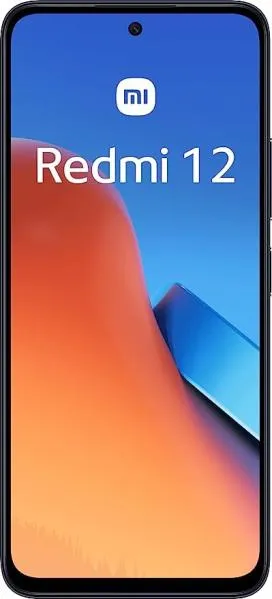
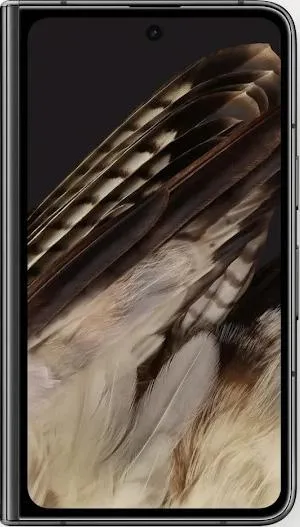
1. Specifications Comparison
| Feature | Xiaomi Redmi 12 | Google Pixel Fold | Practical Impact |
|---|---|---|---|
| Design | |||
| Dimensions | 168.6 x 76.3 x 8.2 mm | 139.7 x 158.7 x 5.8 mm (folded) 139.7 x 79.5 x 12.1 mm (unfolded) | Pixel Fold significantly smaller when folded, but wider unfolded due to its foldable nature. Redmi 12 is thinner overall. |
| Weight | 198.5g | 283g | Pixel Fold is noticeably heavier due to its complex hinge mechanism and larger display. |
| Build | Unspecified | Unspecified | Build materials and durability are unknown without further information. |
| Display | |||
| Type | IPS LCD | Foldable OLED | Pixel Fold offers superior contrast, deeper blacks, and potentially brighter highlights due to OLED technology. |
| Size | 6.79" | 5.8" (cover), 7.6" (unfolded) | Pixel Fold provides a larger main display for immersive experiences but a smaller cover display for quick interactions. |
| Resolution | 1080 x 2460 | 1080 x 2092 (cover), 1840 x 2208 (unfolded) | Both offer sharp displays, but Pixel Fold's unfolded display offers more screen real estate. |
| Refresh Rate | 90Hz | 120Hz | Pixel Fold's higher refresh rate results in smoother animations and scrolling. |
| Performance | |||
| Chipset | Mediatek Helio G88 (12nm) | Google Tensor G2 (5nm) | Tensor G2 significantly more powerful and efficient due to smaller process node, leading to faster performance and better battery life. |
| CPU | Octa-core (2x2.0 GHz Cortex-A75 & 6x1.8 GHz Cortex-A55) | Octa-core (2x2.85 GHz Cortex-X1 & 2x2.35 GHz Cortex-A78 & 4x1.80 GHz Cortex-A55) | Pixel Fold boasts a more powerful CPU architecture, resulting in significantly better performance for demanding tasks. |
| GPU | Mali-G52 MC2 | Mali-G710 MP7 | Pixel Fold's GPU is considerably more powerful, offering a major advantage in gaming and graphics-intensive applications. |
| RAM | 4GB/8GB | 12GB | Pixel Fold has significantly more RAM, enabling smoother multitasking and better performance with demanding apps. |
| Camera | |||
| Rear Camera | 50MP Main + 8MP Wide + 2MP Macro | 48MP Main + 10.8MP Wide + 10.8MP Telephoto | Pixel Fold offers a more versatile camera system with a dedicated telephoto lens for optical zoom. Image quality comparisons require real-world testing. |
| Front Camera | 8MP | 8MP (cover), 9.5MP (inner) | Both have similar front camera resolutions on the main display, but the Pixel Fold offers an additional inner selfie camera for use when unfolded. |
| Battery | |||
| Capacity | 5000mAh | 4821mAh | Comparable battery capacities, but real-world battery life depends on usage and efficiency of the respective chipsets. |
2. Key Differences Analysis
Xiaomi Redmi 12 Advantages:
- Lower Price: Significantly more affordable.
- Lighter and Thinner: More pocketable for everyday carry.
- Larger Battery: Potentially longer battery life, though real-world usage will vary.
Google Pixel Fold Advantages:
- Significantly More Powerful: Superior performance in all aspects due to the Tensor G2 chip and larger RAM.
- Foldable Form Factor: Offers a unique, large-screen experience in a pocketable device.
- Higher Quality Display: OLED technology provides better contrast, colors, and refresh rate.
- More Versatile Camera System: Telephoto lens enables optical zoom. Superior image processing expected due to Google's computational photography expertise.
3. User Profiles & Recommendations
Xiaomi Redmi 12: Budget-conscious users prioritizing basic smartphone functionality (calling, texting, web browsing, social media) and long battery life.
Google Pixel Fold: Users seeking cutting-edge technology, a unique foldable form factor, top-tier performance, and a versatile camera system. Price is a secondary concern.
4. Decision Framework
Key Questions:
- What is your budget? The Redmi 12 is significantly more affordable.
- What level of performance do you need? The Pixel Fold offers significantly higher performance for demanding tasks and gaming.
- How important is the foldable form factor? This is a unique feature of the Pixel Fold and a key differentiator.
My Choice: Google Pixel Fold
While significantly more expensive, the Google Pixel Fold is my choice. The Tensor G2 chip, combined with the ample RAM and superior GPU, guarantees a smooth and powerful user experience for years to come. The foldable design, though heavier, provides a unique large-screen experience unmatched by traditional smartphones. The versatile camera system with a telephoto lens and Google's renowned image processing capabilities further solidify its appeal. While the Redmi 12 offers excellent value for its price, the Pixel Fold represents a leap forward in mobile technology that aligns with my preference for performance and innovation. The higher price is justified by the significant advancements in user experience.
