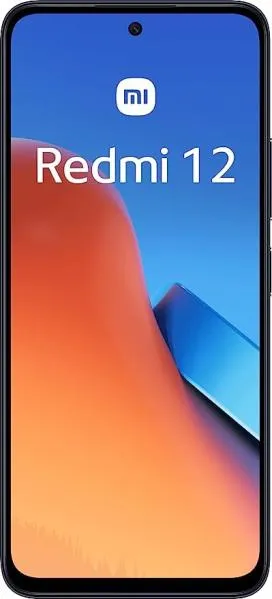

1. Specifications Comparison
| Feature | Xiaomi Redmi 12 | Google Pixel 9 Pro | Practical Impact |
|---|---|---|---|
| Design | |||
| Dimensions (mm) | 168.6 x 76.3 x 8.2 | 152.8 x 72 x 8.5 | Pixel 9 Pro is noticeably smaller and slightly thinner, making it easier to handle and pocket. |
| Weight (g) | 198.5 | 199 | Negligible weight difference. |
| Build | Unspecified | Unspecified | Build quality cannot be compared due to missing information. |
| Display | |||
| Display Type | IPS LCD | LTPO OLED | Pixel 9 Pro offers superior contrast, deeper blacks, and potentially better power efficiency due to OLED technology. |
| Display Size (inches) | 6.79 | 6.3 | Redmi 12 provides a larger screen for media consumption, while the Pixel 9 Pro offers better one-handed usability. |
| Resolution | 1080 x 2460 | 1280 x 2856 | Pixel 9 Pro has a sharper display with higher pixel density (495 ppi vs 396 ppi), resulting in crisper text and images. |
| Refresh Rate (Hz) | 90 | 120 | Pixel 9 Pro offers smoother scrolling and animations due to its higher refresh rate. LTPO technology allows for dynamic refresh rate adjustment, potentially saving battery. |
| Peak Brightness (nits) | 550 | 3000 | Pixel 9 Pro offers significantly higher peak brightness, ensuring excellent outdoor visibility even in direct sunlight. |
| HDR | No | HDR10+ | Pixel 9 Pro supports HDR10+ for enhanced dynamic range and color accuracy in compatible content. |
| Performance | |||
| Chipset | Mediatek Helio G88 (12nm) | Google Tensor G4 (4nm) | Pixel 9 Pro boasts a significantly more powerful and efficient processor, resulting in superior performance and potentially better battery life. |
| CPU | Octa-core (2x2.0 GHz Cortex-A75 & 6x1.8 GHz Cortex-A55) | Octa-core (1x3.1 GHz Cortex-X4 & 3x2.6 GHz Cortex-A720 & 4x1.92 GHz Cortex-A520) | The Pixel 9 Pro's CPU architecture is more modern and powerful, enabling faster multitasking and smoother performance in demanding applications. |
| GPU | Mali-G52 MC2 | Mali-G715 MC7 | Pixel 9 Pro's GPU is considerably more powerful, leading to better gaming performance and smoother graphics rendering. |
| RAM | 4GB/8GB | 16GB | Pixel 9 Pro offers significantly more RAM, allowing for seamless multitasking and preventing apps from closing in the background. |
| Storage | 128GB/256GB | 256GB/512GB/1TB | Pixel 9 Pro provides more storage options for users with large media libraries. |
| Camera | |||
| Main Camera | 50MP | 50MP | While both have the same megapixel count, sensor size and other factors (unspecified for Pixel) likely impact image quality differently. |
| Video Recording | 1080p@30fps | Up to 8K@30fps | Pixel 9 Pro offers significantly higher video resolution and frame rate options. |
| Camera Features | Basic | Advanced (OIS, 5x Optical Zoom) | Pixel 9 Pro offers superior camera features including Optical Image Stabilization and higher optical zoom, leading to better image and video quality. |
| Battery | |||
| Capacity (mAh) | 5000 | 4700 | Redmi 12 has a slightly larger battery capacity, but real-world battery life depends on various factors, including processor efficiency and display technology. |
2. Key Differences Analysis
Xiaomi Redmi 12 Advantages:
- Larger Display: Better for media consumption.
- Potentially Longer Battery Life: Due to larger battery and less demanding hardware, but this is not guaranteed.
- Lower Price: Significantly more affordable.
Google Pixel 9 Pro Advantages:
- Significantly Higher Performance: Smoother multitasking, better gaming, faster app loading.
- Superior Display: Brighter, sharper, smoother, and with better color accuracy.
- More Advanced Camera System: Higher resolution video recording, optical image stabilization, greater zoom capabilities.
- More RAM and Storage: Improved multitasking and more space for apps and files.
- Longer Software Support: Expected to receive more OS updates than the Redmi 12.
Trade-offs:
- The Redmi 12 sacrifices performance, camera quality, and display quality for affordability.
- The Pixel 9 Pro comes at a significantly higher price.
3. User Profiles & Recommendations
Xiaomi Redmi 12: Budget-conscious users who prioritize basic functionality, a large display for media consumption, and long battery life. Suitable for casual users primarily focused on calling, texting, browsing, and light media consumption.
Google Pixel 9 Pro: Users who demand top-tier performance, a premium display, an excellent camera system, and the latest software features. Ideal for power users, gamers, photographers, and videographers.
4. Decision Framework
Key Questions for Buyers:
- What is your budget? The Redmi 12 is a budget option, while the Pixel 9 Pro is a premium flagship.
- What are your primary use cases? Casual use vs. demanding tasks like gaming or professional photography/videography.
- How important are display quality, performance, and camera capabilities?
My Choice: Google Pixel 9 Pro
While the Redmi 12 offers excellent value for its price, the Pixel 9 Pro's significant advantages in performance, display, camera, and software support make it my preferred choice. The superior user experience provided by the more powerful processor, smoother display, and advanced camera features outweighs the price difference for me. I prioritize a fluid and responsive user experience, high-quality photos and videos, and the assurance of long-term software updates. The Redmi 12 is a great option for budget-conscious buyers, but the Pixel 9 Pro represents a worthwhile investment for a premium, future-proof smartphone experience.
