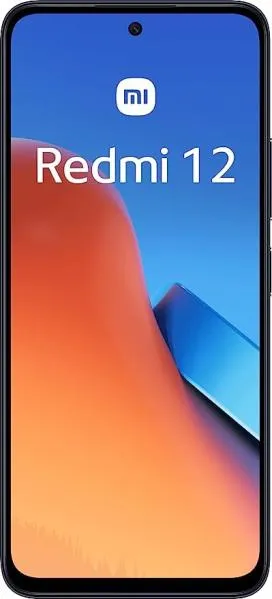
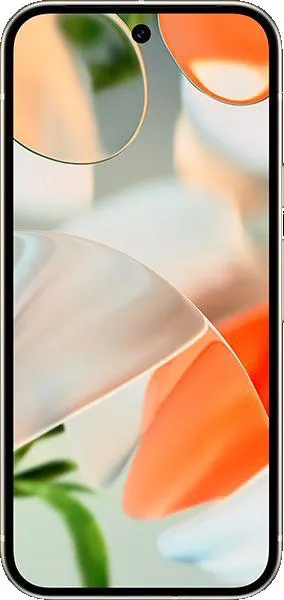
1. Specifications Comparison
| Feature | Xiaomi Redmi 12 | Google Pixel 9 | Practical Impact |
|---|---|---|---|
| Design | |||
| Dimensions (mm) | 168.6 x 76.3 x 8.2 | 152.8 x 72 x 8.5 | Pixel 9 is noticeably smaller and slightly thinner, making it more pocketable and easier to handle one-handed. |
| Weight (g) | 198.5 | 198 | Negligible weight difference. |
| Build Materials | Unspecified | Unspecified | Material differences could impact durability and premium feel; however, without specifics, we cannot compare. |
| Display | |||
| Display Type | IPS LCD | OLED | OLED offers deeper blacks, higher contrast, and potentially better power efficiency. |
| Display Size (inches) | 6.79 | 6.3 | Redmi 12 provides a larger screen for media consumption, while the Pixel 9 offers better one-handed usability. |
| Resolution | 1080 x 2460 | 1080 x 2424 | Similar resolutions; sharpness will be comparable on both devices. |
| Refresh Rate (Hz) | 90 | 120 | Pixel 9's 120Hz refresh rate delivers smoother scrolling and animations, resulting in a more fluid user experience. |
| Peak Brightness (nits) | 550 | 2700 | Pixel 9's significantly higher peak brightness ensures better visibility in direct sunlight. |
| HDR | No | HDR10+ | Pixel 9 supports HDR10+ for enhanced dynamic range and color accuracy in compatible content. |
| Performance | |||
| Chipset | Mediatek Helio G88 (12nm) | Google Tensor G4 (4nm) | Tensor G4, built on a smaller process node, will offer significantly better performance and power efficiency compared to the Helio G88. |
| CPU | Octa-core (2x2.0 GHz A75 & 6x1.8 GHz A55) | Octa-core (1x3.1 GHz X4 & 3x2.6 GHz A720 & 4x1.92 GHz A520) | Pixel 9's CPU features a more powerful core configuration, resulting in much faster processing speeds for demanding tasks and multitasking. |
| GPU | Mali-G52 MC2 | Mali-G715 MC7 | Pixel 9's GPU will provide a substantial leap in graphics performance, enabling smoother gaming and faster rendering. |
| RAM | 4GB/8GB | 12GB | Pixel 9's 12GB RAM allows for significantly better multitasking and app performance without slowdowns. |
| Camera | |||
| Main Camera (MP) | 50 | 50 | Megapixel count is similar, but sensor size and other factors can significantly impact image quality. Pixel's computational photography prowess is a key differentiator. |
| Ultrawide (MP) | 8 | 48 | Pixel 9's ultrawide offers much higher resolution. |
| Video Recording | 1080p@30fps | Up to 4K@60fps with HDR, OIS, EIS | Pixel 9 boasts superior video recording capabilities with higher resolution, frame rates, HDR, and stabilization. |
| Battery | |||
| Capacity (mAh) | 5000 | 4700 | Redmi 12 has a slightly larger battery capacity, but the Pixel 9's more efficient chip could result in comparable or even better battery life. |
2. Key Differences Analysis
Xiaomi Redmi 12 Advantages:
- Larger Display: Better for media consumption.
- Potentially Longer Battery Life: Higher capacity, though real-world usage depends on optimization.
- Lower Price: Significantly more affordable.
Google Pixel 9 Advantages:
- Significantly Faster Performance: Due to a much more powerful processor and ample RAM.
- Superior Camera System: Higher quality sensors, advanced computational photography, better video recording capabilities.
- Smoother Display: 120Hz refresh rate for a more fluid user experience.
- Brighter Display: Excellent outdoor visibility.
- More Premium Features: HDR10+ display, under-display fingerprint sensor.
3. User Profiles & Recommendations
Xiaomi Redmi 12: Budget-conscious users who prioritize a large display for media consumption and basic smartphone tasks. Suitable for casual users who don't demand high performance or advanced camera features.
Google Pixel 9: Users who value a premium smartphone experience with top-tier performance, excellent camera quality, and a smooth display. Ideal for power users, mobile gamers, photography enthusiasts, and those who want the latest Android features.
4. Decision Framework
Key Questions for Buyers:
- What is your budget? The Redmi 12 is significantly more affordable.
- What are your primary smartphone usage patterns? Casual use vs. demanding tasks, gaming, photography.
- Which features are most important to you? Display size, performance, camera quality, battery life.
My Choice: Google Pixel 9
While the Redmi 12 offers excellent value for its price, the Pixel 9's superior performance, camera system, and overall user experience make it the clear winner for me. I prioritize a smooth and responsive phone with excellent photo and video capabilities. The Pixel's Tensor G4 chip, 120Hz OLED display, and advanced camera features are compelling upgrades that justify the higher price. While the Redmi 12's larger battery and lower cost are attractive, they don't outweigh the significant advantages offered by the Pixel 9 in terms of daily usability and long-term satisfaction.
