1. Specifications Comparison
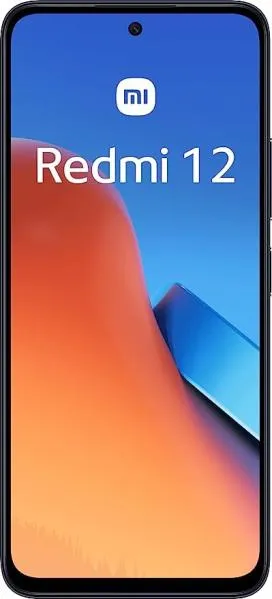
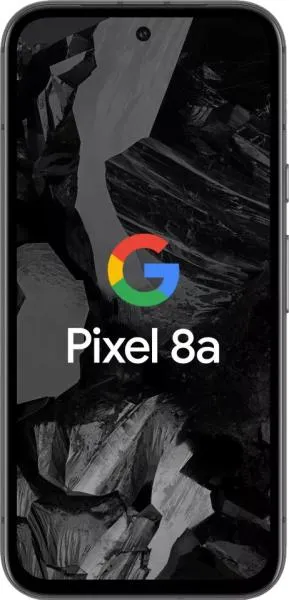
| Feature | Xiaomi Redmi 12 | Google Pixel 8a | Practical Impact |
|---|---|---|---|
| Design | |||
| Dimensions (mm) | 168.6 x 76.3 x 8.2 | 152.1 x 72.7 x 8.9 | Pixel 8a is noticeably smaller and more pocketable. Redmi 12 is taller and wider. |
| Weight (g) | 198.5 | 188 | Redmi 12 feels slightly heavier in hand. |
| Build | Unspecified | Unspecified | Build quality and materials cannot be compared without further information. |
| Display | |||
| Size (inches) | 6.79 | 6.1 | Redmi 12 offers significantly more screen real estate for media consumption. Pixel 8a is more one-hand friendly. |
| Resolution (px) | 1080 x 2460 | 1080 x 2400 | Similar sharpness, but Redmi 12's larger display may result in slightly lower pixel density. |
| Type | IPS LCD | OLED | Pixel 8a's OLED provides deeper blacks, higher contrast, and potentially better power efficiency. Redmi 12's LCD might offer better visibility in direct sunlight. |
| Refresh Rate (Hz) | 90 | 120 | Pixel 8a delivers smoother scrolling and animations due to the higher refresh rate. |
| Peak Brightness (nits) | 550 | 2000 (claimed) | Pixel 8a should be significantly brighter outdoors, improving readability in sunlight. |
| Performance | |||
| Chipset | Mediatek Helio G88 (12nm) | Google Tensor G3 (4nm) | Tensor G3 is a significantly more powerful and efficient chip, enabling smoother multitasking, better gaming performance, and enhanced AI capabilities. |
| CPU | Octa-core (2x2.0 GHz Cortex-A75 & 6x1.8 GHz Cortex-A55) | Nona-core (1x3.0 GHz Cortex-X3 & 4x2.45 GHz Cortex-A715 & 4x2.15 GHz Cortex-A510) | Pixel 8a's CPU architecture is more modern and powerful, leading to a faster and more responsive user experience. |
| GPU | Mali-G52 MC2 | Immortalis-G715s MC10 | Pixel 8a boasts a much more capable GPU, delivering significantly improved gaming and graphics performance. |
| RAM (GB) | 4/8 | 8 | Pixel 8a offers more RAM, enabling better multitasking and app performance. |
| Camera | |||
| Main Camera (MP) | 50 | 64 | Pixel 8a has a higher resolution sensor. Image quality depends on factors beyond resolution, like processing and sensor size. |
| Ultrawide (MP) | 8 | 13 | Pixel 8a offers a higher resolution ultrawide camera with a wider field of view (unspecified but likely wider than Redmi 12 based on typical lens specs). |
| Selfie Camera (MP) | 8 | 13 | Pixel 8a has a higher resolution selfie camera. |
| Video Recording | 1080p@30fps | Up to 4K@60fps with OIS | Pixel 8a offers superior video recording capabilities with higher resolution, frame rates, and optical image stabilization. |
| Battery | |||
| Capacity (mAh) | 5000 | 4492 | Redmi 12 has a larger battery capacity, potentially offering longer battery life. However, real-world usage will depend on factors like software optimization and display efficiency. |
| Charging | Unspecified | Unspecified | Charging speeds cannot be compared without further details. |
2. Key Differences Analysis
Xiaomi Redmi 12 Advantages:
- Larger Display: Better for media consumption and multitasking.
- Potentially Longer Battery Life: Larger battery capacity suggests longer usage time.
Google Pixel 8a Advantages:
- Significantly Superior Performance: Tensor G3 chip offers a much faster and smoother experience.
- Higher Quality Display: OLED technology delivers better contrast and brighter visuals.
- Smoother Display: 120Hz refresh rate provides a more fluid user experience.
- More Advanced Camera System: Higher resolution sensors, better video recording capabilities, and optical image stabilization.
- More Powerful GPU: Offers significantly better gaming and graphics rendering performance.
- More Up-to-Date Software: Ships with Android 14 and guaranteed updates for longer.
3. User Profiles & Recommendations
Xiaomi Redmi 12: Budget-conscious users prioritizing a large display and potentially longer battery life for basic tasks like browsing, social media, and casual gaming.
Google Pixel 8a: Users who value a premium smartphone experience with smooth performance, a high-quality display, excellent camera capabilities, and the latest software features. Suitable for demanding tasks like gaming, photography, and video editing.
4. Decision Framework
Key Questions for Buyers:
- What is your budget? Redmi 12 is significantly cheaper.
- What are your primary smartphone usage patterns? Basic tasks vs. demanding applications.
- Which features are most important to you? Display size vs. performance, camera quality, software updates.
My Choice: Google Pixel 8a
While the Redmi 12 offers a larger display and potentially longer battery life at a significantly lower price, the Pixel 8a's superior performance, significantly brighter and higher quality OLED display, advanced camera system, and guaranteed software updates make it a much more compelling overall package for me. The Tensor G3 chip's AI capabilities and the smoother 120Hz display are also significant advantages. While I appreciate the value proposition of the Redmi 12 for budget-conscious buyers, I prioritize a fluid and responsive user experience, a high-quality camera, and long-term software support. The price difference is justifiable for the significant jump in quality and features.
