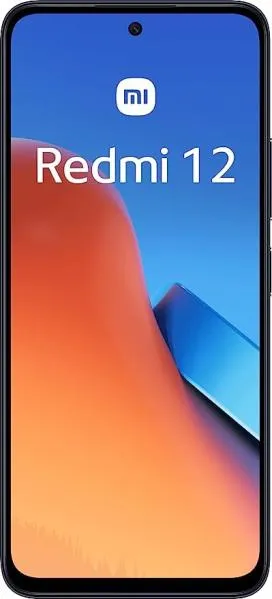
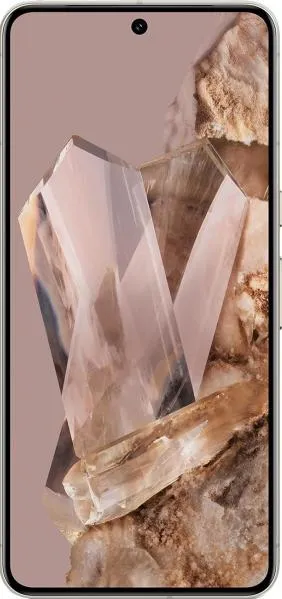
1. Specifications Comparison
| Feature | Xiaomi Redmi 12 | Google Pixel 8 Pro | Practical Impact |
|---|---|---|---|
| Design | |||
| Dimensions (mm) | 168.6 x 76.3 x 8.2 | 162.6 x 76.5 x 8.8 | Pixel 8 Pro is slightly shorter, wider, and thicker. Negligible difference in hand feel for most users. |
| Weight (g) | 198.5 | 213 | Pixel 8 Pro is noticeably heavier, potentially impacting one-handed use. |
| Build Material | Not specified | Not specified | Cannot compare build quality and durability without material information. |
| Display | |||
| Display Type | IPS LCD | LTPO OLED | Pixel 8 Pro offers significantly better contrast, deeper blacks, and wider viewing angles due to OLED technology. |
| Display Size (inches) | 6.79 | 6.7 | Negligible difference in screen real estate. |
| Resolution (pixels) | 1080 x 2460 | 1344 x 2992 | Pixel 8 Pro has a sharper display with higher pixel density, resulting in crisper text and images. |
| Refresh Rate (Hz) | 90 | 120 | Pixel 8 Pro provides smoother scrolling and animations due to the higher refresh rate. |
| Peak Brightness (nits) | 550 | 2400 | Pixel 8 Pro is drastically brighter, ensuring excellent outdoor visibility even in direct sunlight. |
| Performance | |||
| Chipset | Mediatek Helio G88 (12nm) | Google Tensor G3 (4nm) | Tensor G3 is significantly more powerful and efficient due to its advanced architecture and smaller process node. This translates to faster app loading, smoother multitasking, and better gaming performance. |
| CPU | Octa-core (2x2.0 GHz Cortex-A75 & 6x1.8 GHz Cortex-A55) | Nona-core (1x3.0 GHz Cortex-X3 & 4x2.45 GHz Cortex-A715 & 4x2.15 GHz Cortex-A510) | Pixel 8 Pro has a more powerful and modern CPU architecture, leading to significant performance gains. |
| GPU | Mali-G52 MC2 | Immortalis-G715s MC10 | Pixel 8 Pro boasts a much more capable GPU, delivering superior gaming and graphics performance. |
| RAM (GB) | 4/8 | 12 | Pixel 8 Pro offers substantially more RAM, enabling seamless multitasking and preventing app closures in the background. |
| Camera | |||
| Rear Camera (MP) | 50MP Main, 8MP Wide, 2MP Macro | 50MP Main, 48MP Wide/Macro, 48MP Telephoto | Pixel 8 Pro features a more versatile camera system with a dedicated telephoto lens for optical zoom. The wider aperture on the main lens allows for better low-light performance. |
| Front Camera (MP) | 8MP | 10.8MP | Pixel 8 Pro offers a higher resolution front camera for potentially better selfies. |
| Video Recording | 1080p@30fps | Up to 4K@60fps with HDR, OIS, EIS | Pixel 8 Pro offers superior video recording capabilities with higher resolution, frame rates, and stabilization. |
| Battery | |||
| Capacity (mAh) | 5000 | 5050 | Negligible difference in battery capacity. However, the Pixel 8 Pro's more efficient processor may result in longer battery life. |
2. Key Differences Analysis
Xiaomi Redmi 12 Advantages:
- Lower Price: Significantly more affordable.
Google Pixel 8 Pro Advantages:
- Superior Performance: Significantly faster and more responsive due to a more powerful processor, GPU, and more RAM.
- Better Display: Higher resolution, refresh rate, brighter OLED screen with better color accuracy and contrast.
- More Versatile Camera: Telephoto lens, wider aperture, superior video recording capabilities.
- Longer Software Support: Guaranteed updates for a longer period.
3. User Profiles & Recommendations
Xiaomi Redmi 12: Budget-conscious users who prioritize basic functionality over high-end features. Suitable for everyday tasks like calling, texting, browsing, and social media.
Google Pixel 8 Pro: Users who demand top-tier performance, a premium display, and an excellent camera system. Ideal for power users, mobile gamers, photographers, and videographers.
4. Decision Framework
Key Questions for Buyers:
- What is your budget? The Redmi 12 is significantly cheaper.
- What are your performance requirements? The Pixel 8 Pro offers a substantial performance advantage.
- How important is camera quality and versatility? The Pixel 8 Pro has a significantly better camera system.
My Choice: Google Pixel 8 Pro
While the Xiaomi Redmi 12 offers excellent value for its price, the Google Pixel 8 Pro is the clear winner for me. The superior performance, stunning display, versatile camera system, and longer software support justify the higher price. I prioritize a smooth and responsive user experience, excellent photo and video capabilities, and the assurance of long-term software updates. The Redmi 12's lower price is tempting, but the compromises in performance and features are too significant for my needs. The Pixel 8 Pro represents a more future-proof investment in the long run.
