1. Specifications Comparison
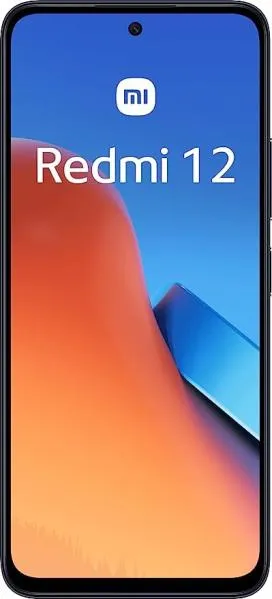
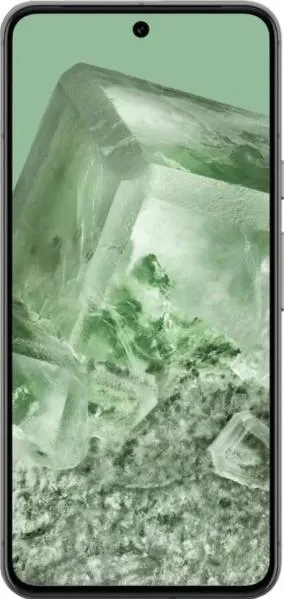
| Feature | Xiaomi Redmi 12 | Google Pixel 8 | Practical Impact |
|---|---|---|---|
| Design | |||
| Dimensions (mm) | 168.6 x 76.3 x 8.2 | 150.5 x 70.8 x 8.9 | Pixel 8 is noticeably smaller and more pocketable. Redmi 12 is taller and wider. |
| Weight (g) | 198.5 | 187 | Redmi 12 is slightly heavier, but the difference is minimal in practical use. |
| Build Material | Not specified | Not specified | Cannot compare build quality and durability without material information. |
| Display | |||
| Display Type | IPS LCD | OLED | Pixel 8 offers deeper blacks, higher contrast, and more vibrant colors due to OLED technology. |
| Display Size (inches) | 6.79 | 6.2 | Redmi 12 provides a significantly larger screen for media consumption, while Pixel 8 is more one-handed friendly. |
| Resolution (px) | 1080 x 2460 | 1080 x 2400 | Similar sharpness despite size difference; Pixel 8 has slightly higher pixel density due to smaller screen. |
| Refresh Rate (Hz) | 90 | 120 | Pixel 8 offers smoother scrolling and animations thanks to the higher refresh rate. |
| Peak Brightness (nits) | 550 | 2000 | Pixel 8's display will be far more visible in direct sunlight. |
| HDR | No | HDR10+ | Pixel 8 supports HDR content for a wider dynamic range and more realistic visuals. |
| Performance | |||
| Chipset | Mediatek Helio G88 (12nm) | Google Tensor G3 (4nm) | Tensor G3 is significantly more powerful and efficient due to its advanced architecture and smaller process node. |
| CPU | Octa-core (2x2.0 GHz Cortex-A75 & 6x1.8 GHz Cortex-A55) | Nona-core (1x3.0 GHz Cortex-X3 & 4x2.45 GHz Cortex-A715 & 4x2.15 GHz Cortex-A510) | Pixel 8 will handle demanding tasks and multitasking much better. |
| GPU | Mali-G52 MC2 | Immortalis-G715s MC10 | Pixel 8 offers significantly better gaming and graphics performance. |
| RAM (GB) | 4/8 | 8 | More RAM in Pixel 8 enables better multitasking and app performance. |
| Camera | |||
| Main Camera (MP) | 50 | 50 | Resolution is similar, but Pixel 8 likely has a larger sensor and superior image processing due to the Tensor G3 chip. |
| Ultrawide (MP) | 8 | 12 | Pixel 8 offers a higher resolution ultrawide with macro capabilities. |
| Front Camera (MP) | 8 | 10.8 | Pixel 8 has a higher resolution front-facing camera for better selfies. |
| Video Recording | 1080p@30fps | Up to 4K@60fps with HDR, OIS, EIS | Pixel 8 offers significantly better video recording capabilities with higher resolution, frame rates, and stabilization. |
| Battery | |||
| Capacity (mAh) | 5000 | 4575 | Redmi 12 has a larger battery capacity, but real-world battery life depends on software optimization and chip efficiency, where Pixel 8 likely has an edge. |
| Charging Speed | Not specified | Not specified | Cannot compare charging speeds without specific data. |
2. Key Differences Analysis
Xiaomi Redmi 12 Advantages:
- Larger Display: Better for media consumption.
- Potentially Longer Battery Life: Larger battery capacity, although real-world results may vary.
- Lower Price: Significantly more affordable.
Google Pixel 8 Advantages:
- Significantly Superior Performance: Smoother operation, better multitasking, enhanced gaming capabilities.
- Higher Quality Display: OLED technology, higher refresh rate, HDR support, much brighter.
- Advanced Camera System: Better image quality, superior video recording, more features.
- More Up-to-date Software: Longer software support lifespan. Runs the newest Android version with more future updates guaranteed.
Trade-offs:
- Redmi 12: Compromises performance and features for affordability.
- Pixel 8: Higher price for premium features and performance.
3. User Profiles & Recommendations
Xiaomi Redmi 12: Budget-conscious users prioritizing a large display for media consumption, basic tasks, and long battery life.
Google Pixel 8: Users seeking a premium smartphone experience with top-tier performance, a great camera, smooth display, and the latest software features. Suitable for demanding tasks, mobile gaming, and photography enthusiasts.
4. Decision Framework
Key Questions for Buyers:
- What is your budget? Redmi 12 is a budget-friendly option, while Pixel 8 is a premium device.
- What are your primary smartphone needs? Basic tasks vs. demanding applications, media consumption vs. content creation.
- How important are camera quality and software updates? Pixel 8 excels in these areas.
My Choice: Google Pixel 8
Reasons:
While the Redmi 12 offers a large display and potentially longer battery life at a lower price, the Pixel 8's superior performance, vastly better display quality, advanced camera system, and longer software support make it a much more compelling device for me. I prioritize a smooth and responsive user experience, a high-quality camera, and the assurance of timely software updates. The Pixel 8's Tensor G3 chip offers significant advantages in AI processing, impacting everything from photography to overall performance. The significantly brighter and higher quality OLED display is also a major factor, as is the longer software update commitment from Google. While the Redmi 12 is a good value proposition for budget-conscious buyers, the Pixel 8 offers a significantly better overall user experience in the long run.
