1. Specifications Comparison
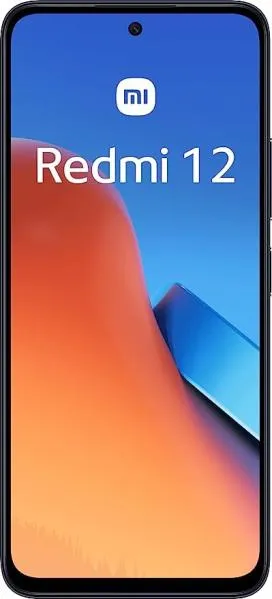
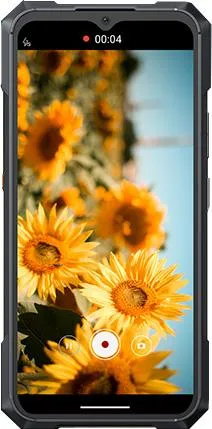
| Feature | Xiaomi Redmi 12 | Cubot KingKong X | Practical Impact |
|---|---|---|---|
| Design | |||
| Dimensions (mm) | 168.6 x 76.3 x 8.2 | 170.9 x 82.2 x 18.7 | KingKong X significantly thicker and heavier, emphasizing ruggedness over portability. |
| Weight (g) | 198.5 | 388 | Redmi 12 much lighter for comfortable one-handed use. KingKong X built for durability, potentially less comfortable for extended use. |
| Display | |||
| Size (inches) | 6.79 | 6.58 | Negligible size difference in real-world usage. |
| Resolution (px) | 1080 x 2460 | 1080 x 2408 | Virtually identical sharpness. |
| Refresh Rate (Hz) | 90 | 120 | KingKong X offers smoother scrolling and animations, noticeable in games and UI interactions. |
| Display Type | IPS LCD | IPS LCD | Both offer good color reproduction but may lack the deep blacks of OLED displays. |
| Performance | |||
| Chipset | Mediatek Helio G88 (12nm) | Mediatek Dimensity 7050 (6nm) | Dimensity 7050 significantly more powerful, resulting in faster app loading, smoother multitasking, and better gaming performance. 6nm process offers better power efficiency. |
| CPU | Octa-core (2x2.0 GHz A75 & 6x1.8 GHz A55) | Octa-core (2x2.6 GHz A78 & 6x2.0 GHz A55) | KingKong X has faster and more efficient CPU cores, leading to a noticeable performance advantage. |
| GPU | Mali-G52 MC2 | Mali-G68 MC4 | KingKong X's GPU offers a considerable performance uplift for demanding games and graphics-intensive tasks. |
| RAM | 4GB/8GB | 16GB | KingKong X's significantly larger RAM enables superior multitasking and prevents apps from closing in the background. |
| Storage | 128GB/256GB | 256GB/512GB | KingKong X offers much larger storage options for media and apps. |
| Camera | |||
| Main Camera (MP) | 50 | 100 | KingKong X boasts higher resolution, potentially capturing more detail. Image quality depends on sensor and processing, not just megapixels. |
| Video Recording | 1080p@30fps | 4K@30fps | KingKong X can record in higher resolution. |
| Front Camera (MP) | 8 | 32 | KingKong X has a significantly higher resolution front camera, resulting in better selfie quality. |
| Battery | |||
| Capacity (mAh) | 5000 | 10200 | KingKong X has double the battery capacity, translating to significantly longer battery life. |
2. Key Differences Analysis
Xiaomi Redmi 12 Advantages:
- Lighter and More Compact: Easier to carry and use for extended periods.
- More Affordable: Offers a lower entry price point.
Cubot KingKong X Advantages:
- Significantly More Powerful: Much better performance for demanding tasks and gaming.
- Much Larger Battery: Substantially longer battery life.
- Larger RAM and Storage: Superior multitasking and ample space for files.
- Higher Resolution Cameras: Potential for better image and video quality.
- Higher Refresh Rate Display: Smoother visual experience.
- 5G Connectivity: Faster mobile data speeds in supported areas.
3. User Profiles & Recommendations
Xiaomi Redmi 12:
- Budget-conscious users: Prioritizing affordability over top-tier performance.
- Light users: Primarily using phone for basic tasks like calling, texting, and social media.
- Users prioritizing portability: Preferring a lighter and more compact device.
Cubot KingKong X:
- Power users: Demanding high performance for gaming, multitasking, and demanding applications.
- Users needing long battery life: Essential for heavy usage or limited access to charging.
- Outdoor enthusiasts: Rugged design suits demanding environments.
- Content creators: Benefit from larger storage, better cameras, and powerful processor for editing.
4. Decision Framework
Key Questions for Buyers:
- What is your budget? Redmi 12 is significantly cheaper.
- What is your primary phone usage? KingKong X excels for demanding tasks, while Redmi 12 suffices for basic use.
- How important is battery life and ruggedness? KingKong X significantly outperforms Redmi 12 in these areas.
Scenario-Based Recommendations:
- Limited Budget, Basic Use: Redmi 12
- Demanding Games, Multitasking: KingKong X
- Long Hiking Trip, Limited Charging: KingKong X
My Choice: Cubot KingKong X
While the Redmi 12 offers a compelling value proposition for budget-conscious buyers, the Cubot KingKong X is my choice. The significantly improved performance, vastly superior battery life, larger storage, and higher refresh rate display outweigh the higher price and larger size. The Dimensity 7050 offers a significant performance leap over the Helio G88, ensuring a smooth and responsive user experience for years to come. The massive 10200mAh battery alleviates battery anxiety, especially crucial for demanding users or outdoor activities. The 16GB RAM ensures seamless multitasking, and the ample storage accommodates a vast library of apps, photos, and videos. While the Redmi 12 is a good budget option, the KingKong X offers a far superior overall user experience for a moderately higher price. The rugged design and 5G connectivity further enhance its appeal for specific user groups.
