1. Specifications Comparison
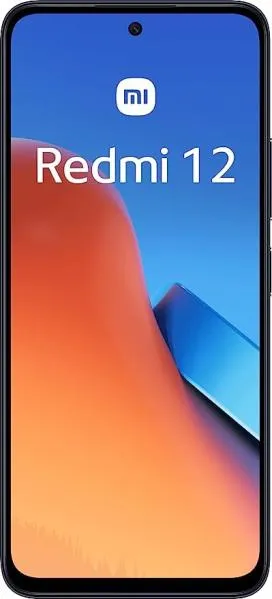
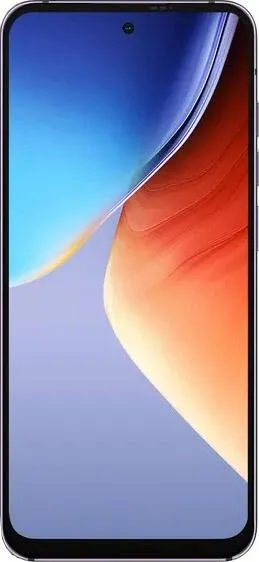
| Feature | Xiaomi Redmi 12 | Blackview A96 | Practical Impact |
|---|---|---|---|
| Design | |||
| Dimensions (mm) | 168.6 x 76.3 x 8.2 | 161.8 x 74.2 x 8.6 | Redmi 12 is slightly taller and wider, but thinner. Negligible difference in everyday use. |
| Weight (g) | 198.5 | 193.9 | Virtually identical weight; no noticeable difference in hand. |
| Display | |||
| Size (inches) | 6.79 | 6.5 | Redmi 12 offers a larger screen for more immersive media consumption. |
| Resolution (px) | 1080 x 2460 | 1080 x 2400 | Similar sharpness; Redmi 12's slightly taller aspect ratio might offer more vertical content. |
| Refresh Rate (Hz) | 90 | 120 | Blackview A96's 120Hz display will feel smoother for scrolling and gaming. |
| Display Type | IPS LCD | IPS LCD | Both use IPS LCD technology, implying similar color accuracy and viewing angles. Missing information about brightness makes detailed comparison impossible. |
| Performance | |||
| Chipset | Mediatek Helio G88 (12nm) | Mediatek Helio G99 (6nm) | Blackview A96's G99 is built on a smaller process node, resulting in better performance and power efficiency. |
| CPU | Octa-core (2x2.0 GHz A75 & 6x1.8 GHz A55) | Octa-core (2x2.2 GHz A76 & 6x2.0 GHz A55) | Blackview A96 has faster and more powerful CPU cores, leading to noticeably better performance, especially in demanding tasks. |
| GPU | Mali-G52 MC2 | Mali-G57 MC2 | Blackview A96's GPU is significantly more powerful, resulting in smoother gaming and faster graphics rendering. |
| RAM | 4/8 GB | 8/12 GB | Blackview A96 offers more RAM in its base configuration, ensuring smoother multitasking and better performance with multiple apps. |
| Camera | |||
| Main Camera (MP) | 50 | 48 | Resolution difference is minimal. More critical is sensor size and aperture, which are not fully comparable due to missing details for the Redmi 12. Blackview A96's f/1.6 aperture suggests better low-light performance. |
| Selfie Camera (MP) | 8 | 16 | Blackview A96 has a significantly higher resolution selfie camera, potentially capturing more detailed selfies. |
| Video Recording | 1080p@30fps | 1440p@30fps | Blackview A96 can record video at a higher resolution (1440p). |
| Battery | |||
| Capacity (mAh) | 5000 | 4380 | Redmi 12 has a larger battery, likely leading to longer battery life. Real-world usage will depend on other factors like display brightness and usage patterns. |
2. Key Differences Analysis
Xiaomi Redmi 12 Advantages:
- Larger Display: Provides a more immersive experience for media consumption.
- Larger Battery: Potentially longer battery life.
Blackview A96 Advantages:
- Significantly Better Performance: The Helio G99 chipset, faster CPU and GPU, and more RAM result in a much smoother and responsive user experience.
- Higher Refresh Rate Display: Smoother scrolling and gaming experience due to the 120Hz refresh rate.
- Higher Resolution Selfie Camera: Better quality selfies.
- Higher Resolution Video Recording: Ability to record videos in 1440p.
Trade-offs:
- The Blackview A96's superior performance and display come at the cost of a smaller battery.
- The Redmi 12 prioritizes battery capacity and screen size over raw performance.
3. User Profiles & Recommendations
Xiaomi Redmi 12: Suitable for users who prioritize battery life and a large display for media consumption on a budget. Best for casual users who primarily use their phones for browsing, social media, and light gaming.
Blackview A96: Ideal for users who demand smooth performance for gaming, multitasking, and demanding applications. Suitable for those who value a responsive user experience and higher quality selfie camera.
4. Decision Framework
Key Questions for Buyers:
- What is your budget? The Redmi 12 is generally more affordable.
- What are your primary phone usage patterns? (e.g., gaming, media consumption, social media)
- Do you prioritize performance or battery life?
Scenario-Based Recommendations:
- Tight Budget, Casual User: Redmi 12
- Gamer or Power User: Blackview A96
- Heavy Media Consumer with Battery Life Concerns: Redmi 12
My Choice: Blackview A96
While the Redmi 12 offers a larger battery and display, the Blackview A96's superior performance, smoother display, and better camera capabilities are more compelling to me. I prioritize a responsive and smooth user experience, and the A96's Helio G99 chipset, along with the 120Hz display, delivers that. The difference in battery capacity is acceptable considering the performance gains. The significantly cheaper price of the Redmi 12 is tempting, but the performance difference would be noticeable in everyday use. For my needs, the Blackview A96 offers a better overall package.
