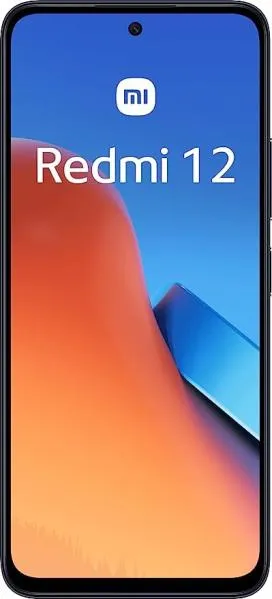
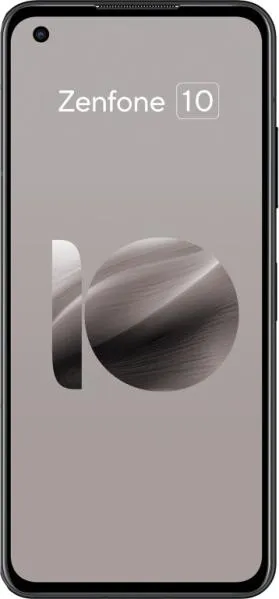
1. Specifications Comparison
| Feature | Xiaomi Redmi 12 | Asus Zenfone 10 | Practical Impact |
|---|---|---|---|
| Design | |||
| Dimensions (mm) | 168.6 x 76.3 x 8.2 | 146.5 x 68.1 x 9.4 | Redmi 12 is significantly larger; Zenfone 10 is more compact and pocketable. |
| Weight (g) | 198.5 | 172 | Redmi 12 feels heavier; Zenfone 10 is lighter and easier to hold for extended periods. |
| Build Material | Not specified | Not specified | Cannot compare build quality and durability without material information. |
| Display | |||
| Display Type | IPS LCD | Super AMOLED | Zenfone 10 offers richer colors, deeper blacks, and better contrast due to AMOLED technology. |
| Size (inches) | 6.79 | 5.92 | Redmi 12 provides a larger screen for media consumption; Zenfone 10 is more one-hand friendly. |
| Resolution (px) | 1080 x 2460 | 1080 x 2400 | Similar pixel density, but Zenfone 10's smaller size results in slightly sharper visuals (445 vs 396 PPI). |
| Refresh Rate (Hz) | 90 | 144 | Zenfone 10 offers significantly smoother scrolling and animations, especially noticeable in gaming and fast-paced content. |
| Peak Brightness (nits) | 550 | 1100 | Zenfone 10 is much brighter and more visible outdoors. |
| Performance | |||
| Chipset | Mediatek Helio G88 (12nm) | Snapdragon 8 Gen 2 (4nm) | Zenfone 10 boasts a vastly more powerful processor, leading to significantly faster performance in all tasks, including demanding games and multitasking. |
| CPU | Octa-core (2x2.0 GHz A75 & 6x1.8 GHz A55) | Octa-core (1x3.2 GHz X3 & ... & 3x2.0 GHz A510) | Zenfone 10's CPU architecture is more modern and efficient, resulting in superior performance and potentially better battery life despite a smaller battery. |
| GPU | Mali-G52 MC2 | Adreno 740 | Zenfone 10 offers a significantly more powerful GPU, enabling much better gaming performance and smoother graphics rendering. |
| RAM (GB) | 4/8 | 8/16 | Zenfone 10 offers more RAM, improving multitasking and overall system responsiveness. |
| Camera | |||
| Main Camera (MP) | 50 | 50 | Megapixel count is similar, but Zenfone 10 uses a larger sensor (Sony IMX766) and offers OIS, likely resulting in better image quality, especially in low light. |
| Video Recording | 1080p@30fps | Up to 8K@24fps | Zenfone 10 offers significantly better video recording capabilities with higher resolution and frame rates, including 8K recording. |
| Battery | |||
| Capacity (mAh) | 5000 | 4300 | Redmi 12 has a larger battery capacity, potentially offering longer battery life. However, Zenfone 10's more efficient processor could offset this difference. |
2. Key Differences Analysis
Xiaomi Redmi 12 Advantages:
- Larger Display: Better for media consumption and those who prefer a larger screen.
- Potentially Longer Battery Life: Larger battery capacity may translate to longer usage time.
- Lower Price: Significantly more affordable than the Zenfone 10.
Asus Zenfone 10 Advantages:
- Significantly Faster Performance: Snapdragon 8 Gen 2 offers a massive performance advantage for demanding tasks and gaming.
- Superior Display: AMOLED technology delivers richer colors and deeper blacks, along with a higher refresh rate for smoother visuals.
- Better Camera: Larger sensor, OIS, and superior video recording capabilities.
- More Compact Design: Easier to handle and carry in pockets.
3. User Profiles & Recommendations
Xiaomi Redmi 12: Budget-conscious users who prioritize a large display for media consumption and long battery life. Suitable for casual browsing, social media, and light gaming.
Asus Zenfone 10: Users who demand top-tier performance, a premium display, and a capable camera in a compact form factor. Ideal for mobile gaming, photography enthusiasts, and power users who value speed and responsiveness.
4. Decision Framework
Key Questions for Buyers:
- What is your budget? Redmi 12 is a budget option, while Zenfone 10 is a premium mid-range device.
- What are your performance needs? Casual users will find Redmi 12 sufficient, but demanding users will need Zenfone 10's power.
- What screen size do you prefer? Redmi 12 offers a larger screen, while Zenfone 10 is more compact.
My Choice: Asus Zenfone 10
While the Redmi 12 offers great value for its price, the Zenfone 10's significant performance advantage, superior display, and compact design are more appealing to me. I prioritize a smooth and responsive user experience, which the Snapdragon 8 Gen 2 and 144Hz AMOLED display guarantee. The improved camera and compact form factor further solidify my choice. While the battery capacity is smaller, the potential efficiency gains from the 8 Gen 2 chip make it a worthwhile trade-off. The higher price is justified by the significant upgrade in overall quality and user experience.
