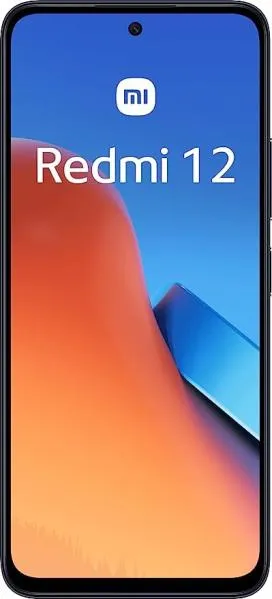
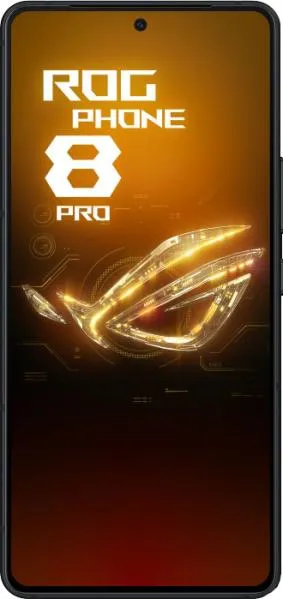
1. Specifications Comparison
| Feature | Xiaomi Redmi 12 | Asus ROG Phone 8 Pro | Practical Impact |
|---|---|---|---|
| Design | |||
| Dimensions (mm) | 168.6 x 76.3 x 8.2 | 163.8 x 76.8 x 8.9 | ROG Phone 8 Pro is slightly shorter and wider, but thicker. Negligible difference in everyday use. |
| Weight (g) | 198.5 | 225 | ROG Phone 8 Pro is noticeably heavier, potentially impacting one-handed use and pocket comfort. |
| Build Material | Not specified | Not specified | Cannot compare build quality and durability without material information. |
| Display | |||
| Display Type | IPS LCD | LTPO AMOLED | AMOLED offers significantly better contrast, deeper blacks, and potentially better power efficiency due to per-pixel illumination. ROG Phone 8 Pro's LTPO allows for variable refresh rate, further optimizing battery life. |
| Display Size (inches) | 6.79 | 6.78 | Virtually identical screen sizes. |
| Resolution (pixels) | 1080 x 2460 | 1080 x 2400 | Negligible difference in sharpness at this size. |
| Refresh Rate (Hz) | 90 | 165 | ROG Phone 8 Pro offers a much smoother and more responsive visual experience, particularly noticeable in gaming and scrolling. |
| Peak Brightness (nits) | 550 | 2500 | ROG Phone 8 Pro is significantly brighter, ensuring excellent outdoor visibility even in direct sunlight. |
| Performance | |||
| Chipset | Mediatek Helio G88 (12nm) | Qualcomm Snapdragon 8 Gen 3 (4nm) | Snapdragon 8 Gen 3 offers a massive performance leap over the Helio G88. Expect significantly faster speeds, smoother multitasking, and superior gaming capabilities on the ROG Phone 8 Pro. |
| CPU | Octa-core (2x2.0 GHz Cortex-A75 & 6x1.8 GHz Cortex-A55) | Octa-core (1x3.3 GHz Cortex-X4 & 3x3.2 GHz Cortex-A720 & 2x3.0 GHz Cortex-A720 & 2x2.3 GHz Cortex-A520) | ROG Phone 8 Pro's CPU architecture is significantly more powerful and efficient. |
| GPU | Mali-G52 MC2 | Adreno 750 | Adreno 750 provides a substantial improvement in graphics performance, enabling high-quality gaming and smoother graphics-intensive tasks. |
| RAM | 4GB (specified in later section) | 16GB (specified in later section) | Massively more RAM in the ROG Phone 8 Pro allows for significantly more apps to be held in memory and smoother multitasking. |
| Camera | |||
| Main Camera (MP) | 50 | 50 | Megapixel count doesn't tell the whole story. Sensor size, aperture, and processing play a crucial role. |
| Camera Features | Limited information provided | 8K video recording, Optical zoom 3x, Telephoto lens with OIS, Ultrawide lens, Macro lens | ROG Phone 8 Pro offers significantly more advanced camera features and versatility. |
| Battery | |||
| Capacity (mAh) | 5000 | 5500 | ROG Phone 8 Pro has a slightly larger battery capacity. Real-world battery life depends on many factors including display type and processor efficiency. |
2. Key Differences Analysis
Xiaomi Redmi 12 Advantages:
- Price: Likely significantly cheaper given the "medium price" range and lower specs.
Asus ROG Phone 8 Pro Advantages:
- Significantly higher performance: The Snapdragon 8 Gen 3 and Adreno 750 offer a massive performance advantage for demanding tasks and gaming.
- Superior Display: AMOLED with higher refresh rate and brightness provides a far better visual experience.
- Advanced Camera Features: 8K video recording, optical zoom, and more versatile lens options.
- More RAM: 16GB ensures smooth multitasking and handles demanding applications with ease.
3. User Profiles & Recommendations
Xiaomi Redmi 12: Budget-conscious users who prioritize basic functionality: calling, texting, web browsing, and light social media use.
Asus ROG Phone 8 Pro: Power users, gamers, and content creators who demand top-tier performance, a premium display, and advanced camera capabilities.
4. Decision Framework
Key Questions for Buyers:
- What is your budget? The Redmi 12 is likely a fraction of the ROG Phone 8 Pro's price.
- What are your primary use cases? For basic tasks, the Redmi 12 might suffice. For demanding games and content creation, the ROG Phone 8 Pro is essential.
- How important is display quality and performance? The ROG Phone 8 Pro vastly outperforms the Redmi 12 in these areas.
My Choice: Asus ROG Phone 8 Pro
While the Xiaomi Redmi 12 likely offers excellent value for its price, I would choose the Asus ROG Phone 8 Pro. The significant performance difference, superior display, and advanced camera features justify the higher price for my needs. I value a smooth and responsive user experience, especially for gaming and multitasking, which the ROG Phone 8 Pro clearly delivers. The 16GB RAM is a huge plus for future-proofing and ensuring a lag-free experience for years to come. While I acknowledge the higher price, the long-term benefits of a more powerful and feature-rich device make the ROG Phone 8 Pro a better investment for me. The Redmi 12 is a solid budget option, but the ROG Phone 8 Pro offers a substantial upgrade in almost every aspect.
