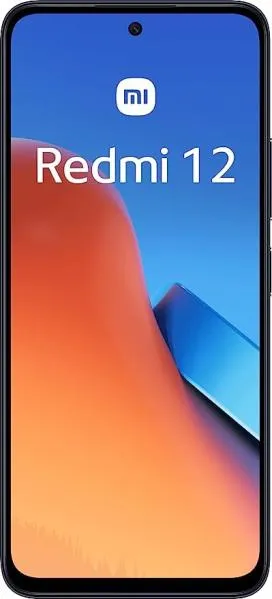
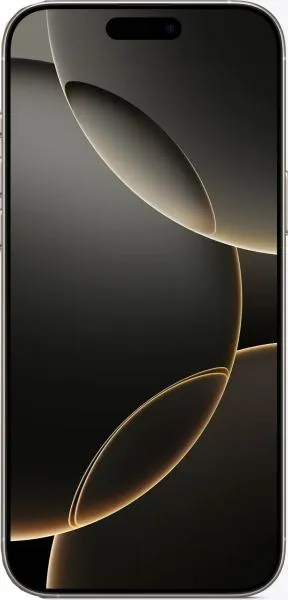
1. Specifications Comparison
| Feature | Xiaomi Redmi 12 | Apple iPhone 16 Pro Max | Practical Impact |
|---|---|---|---|
| Design | |||
| Dimensions (mm) | 168.6 x 76.3 x 8.2 | 163 x 77.6 x 8.3 | Redmi 12 is slightly taller and narrower. Difference is negligible in practical use. |
| Weight (g) | 198.5 | 227 | iPhone 16 Pro Max is noticeably heavier, potentially impacting one-handed use. |
| Build | Unspecified | Unspecified | Material differences could impact durability and premium feel; information is lacking. |
| Display | |||
| Display Type | IPS LCD | LTPO Super Retina XDR OLED | OLED offers superior contrast, deeper blacks, and potentially better power efficiency due to per-pixel illumination. LTPO allows for dynamic refresh rate, conserving battery. |
| Display Size (inches) | 6.79 | 6.9 | iPhone has a slightly larger display, providing marginally more screen real estate. |
| Resolution (px) | 1080 x 2460 | 1320 x 2868 | iPhone has a sharper display with higher pixel density (460 vs 396 ppi), resulting in clearer text and images. |
| Refresh Rate (Hz) | 90 | 120 | iPhone's 120Hz refresh rate offers smoother scrolling and animations, enhancing the overall user experience. |
| Peak Brightness (nits) | 550 | 2000 | iPhone's significantly higher peak brightness ensures better visibility outdoors, especially in direct sunlight. |
| HDR | No Dolby Vision | Dolby Vision | iPhone supports Dolby Vision, providing a wider range of colors and contrast in compatible content. |
| Performance | |||
| Chipset | Mediatek Helio G88 (12nm) | Apple A18 Pro (3nm) | A18 Pro is significantly more powerful, offering vastly improved performance in demanding tasks, gaming, and multitasking. 3nm fabrication suggests better power efficiency. |
| CPU | Octa-core (2x2.0 GHz Cortex-A75 & 6x1.8 GHz Cortex-A55) | Hexa-core (2x4.05 GHz + 4x2.42 GHz) | iPhone's CPU architecture and higher clock speeds translate to a substantial performance advantage. |
| GPU | Mali-G52 MC2 | Apple GPU (6-core) | iPhone's GPU will deliver significantly better gaming performance and graphics rendering. |
| RAM (GB) | 4/8 | 8 | While both offer ample RAM in higher configurations, the iPhone's optimized OS may require less RAM for similar performance. |
| Camera | |||
| Main Camera (MP) | 50 | 48 | Megapixel count doesn't tell the whole story; sensor size, aperture, and processing play a crucial role. iPhone likely utilizes a larger sensor. |
| Video Recording | 1080p@30fps | Up to 4K@120fps with HDR | iPhone offers superior video recording capabilities with higher resolution, frame rates, and HDR support. |
| Camera Features | Basic | Advanced features like Cinematic Mode, ProRAW | iPhone offers a more comprehensive and professional camera feature set. |
| Battery | |||
| Capacity (mAh) | 5000 | 4685 | Despite slightly lower capacity, the iPhone's more efficient processor and LTPO display could result in comparable or even better battery life. Real-world usage will vary. |
2. Key Differences Analysis
Xiaomi Redmi 12 Advantages:
- Lower Price: Significantly more affordable.
- Larger Battery Capacity: Potentially longer battery life, but real-world results depend on optimization.
Apple iPhone 16 Pro Max Advantages:
- Significantly Higher Performance: Much faster processor and GPU for demanding tasks and gaming.
- Superior Display: OLED with higher resolution, refresh rate, brightness, and HDR support.
- More Advanced Camera System: Higher quality sensors, more features, and superior video recording capabilities.
- Premium Ecosystem: Seamless integration with other Apple devices and services.
3. User Profiles & Recommendations
Xiaomi Redmi 12: Budget-conscious users who prioritize basic smartphone functionality, long battery life, and affordability. Suitable for casual web browsing, social media, and light gaming.
Apple iPhone 16 Pro Max: Users who demand the best performance, display, and camera technology. Ideal for power users, gamers, content creators, and those heavily invested in the Apple ecosystem.
4. Decision Framework
Key Questions for Buyers:
- What is your budget? The Redmi 12 is a budget option, while the iPhone 16 Pro Max is a premium flagship.
- What are your primary smartphone usage patterns? Casual use vs. demanding tasks, gaming, content creation.
- How important are display quality, camera capabilities, and overall performance?
Scenario-Based Recommendations:
- Limited Budget, Basic Needs: Redmi 12
- Best Possible Performance and Features: iPhone 16 Pro Max
My Choice: Apple iPhone 16 Pro Max
While the Xiaomi Redmi 12 offers excellent value for its price, the iPhone 16 Pro Max is the clear winner for me. I prioritize a smooth and responsive user experience, which the iPhone delivers with its powerful A18 Pro chip, 120Hz ProMotion display, and optimized iOS. The superior camera system and vibrant OLED screen are also significant factors. While the price is considerably higher, the long-term value proposition of the iPhone, with its consistent performance, software updates, and robust ecosystem, makes it a worthwhile investment for my needs. I often use my phone for demanding tasks, photography, and video recording, making the iPhone 16 Pro Max the better fit.
