1. Specifications Comparison
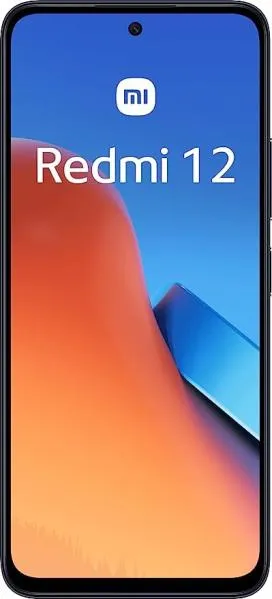
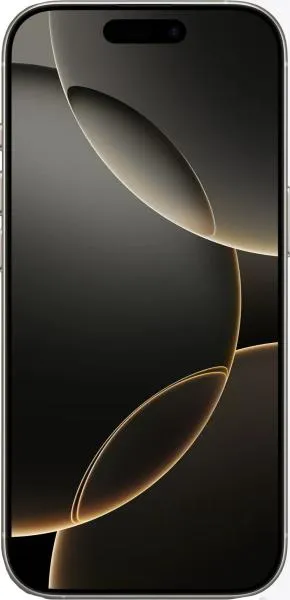
| Feature | Xiaomi Redmi 12 | Apple iPhone 16 Pro | Practical Impact |
|---|---|---|---|
| Design | |||
| Dimensions (mm) | 168.6 x 76.3 x 8.2 | 149.6 x 71.5 x 8.3 | iPhone 16 Pro is significantly smaller and more pocketable. |
| Weight (g) | 198.5 | 199 | Negligible weight difference. |
| Build Material | Not specified | Not specified (Likely Glass and Stainless Steel) | Impacts durability and premium feel. Lack of information for Redmi 12 limits comparison. |
| Display | |||
| Display Type | IPS LCD | LTPO Super Retina XDR OLED | iPhone's OLED offers superior contrast, deeper blacks, and potentially better power efficiency due to LTPO. |
| Display Size (inches) | 6.79 | 6.3 | Redmi 12 provides a larger screen for media consumption, while the iPhone 16 Pro offers better one-handed usability. |
| Resolution | 1080 x 2460 | 1206 x 2622 | iPhone 16 Pro has a slightly sharper display due to higher pixel density (460 ppi vs 396 ppi). |
| Refresh Rate (Hz) | 90 | 120 | iPhone 16 Pro offers smoother scrolling and animations thanks to the higher refresh rate. |
| Peak Brightness (nits) | 550 | 2000 | iPhone 16 Pro is significantly brighter, ensuring better visibility outdoors and in bright conditions. HDR content will also look drastically better. |
| Performance | |||
| Chipset | Mediatek Helio G88 (12nm) | Apple A18 Pro (3nm) | A18 Pro vastly outperforms the Helio G88, resulting in significantly faster performance, smoother multitasking, and better gaming capabilities. The more efficient 3nm process likely contributes to better battery life on the iPhone despite its smaller battery. |
| CPU | Octa-core (2x2.0 GHz Cortex-A75 & 6x1.8 GHz Cortex-A55) | Hexa-core (2x4.05 GHz + 4x2.42 GHz) | A18 Pro's architecture and higher clock speeds translate to a substantial performance advantage. |
| GPU | Mali-G52 MC2 | Apple GPU (6-core) | Apple's custom GPU offers significantly better graphics performance for gaming and demanding applications. |
| RAM | 4GB/8GB | 8GB | Both configurations of the Redmi offer less RAM than the iPhone. While 8GB is sufficient for most tasks on the Redmi, the iPhone will handle heavy multitasking and memory-intensive apps more efficiently. |
| Camera | |||
| Main Camera | 50MP | 48MP | While Redmi has higher megapixels, iPhone's larger sensor (1/1.3" vs 1/2.76") and advanced image processing likely result in better image quality, especially in low light. |
| Ultrawide | 8MP | 48MP | iPhone offers a much higher resolution ultrawide lens, capturing significantly more detail. |
| Telephoto | None | 12MP with 5x Optical Zoom | iPhone offers optical zoom for clearer zoomed-in shots, a feature absent in the Redmi 12. |
| Video Recording | 1080p@30fps | Up to 4K@120fps with Dolby Vision HDR | iPhone supports significantly higher resolution and frame rate video recording with advanced features like Dolby Vision HDR. |
| Battery | |||
| Capacity (mAh) | 5000 | 3582 | Redmi 12 has a larger battery capacity, but real-world battery life depends on optimization and chip efficiency. iPhone's A18 Pro likely compensates for the smaller battery with its efficiency. |
| Charging Speed | Not specified | Not Specified | Limits comparison of charging times. |
2. Key Differences Analysis
Xiaomi Redmi 12 Advantages:
- Larger Display: Better for media consumption.
- Potentially Longer Battery Life: Larger battery capacity, but real-world performance is unclear due to lack of charging and usage data.
- Lower Price: Significantly more affordable.
Apple iPhone 16 Pro Advantages:
- Significantly Faster Performance: A18 Pro chip offers a massive performance leap.
- Superior Display: OLED with higher resolution, refresh rate, and peak brightness. Supports HDR10 and Dolby Vision
- Advanced Camera System: Better image quality, optical zoom, and superior video recording capabilities.
- Premium Build Quality: Expected due to Apple's history, but materials are not specified for either phone, limiting a direct comparison.
3. User Profiles & Recommendations
Xiaomi Redmi 12: Budget-conscious users prioritizing a large display for media consumption, basic tasks like browsing and social media, and long battery life (needs verification).
Apple iPhone 16 Pro: Users who demand top-tier performance, a premium display, an advanced camera system, and the latest technology. Ideal for demanding tasks, gaming, content creation, and users who value a smooth and responsive user experience.
4. Decision Framework
Key Questions for Buyers:
- What is your budget? The Redmi 12 is significantly cheaper.
- What are your primary use cases? Redmi 12 for basic tasks and media consumption; iPhone 16 Pro for demanding tasks, gaming, and content creation.
- How important are display quality, camera features, and performance? iPhone 16 Pro excels in these areas.
My Choice and Why
I would choose the Apple iPhone 16 Pro. While the Redmi 12 offers a larger display and potentially longer battery life at a significantly lower price, the iPhone 16 Pro's superior performance, stunning display, and advanced camera system are far more compelling to me. I prioritize a smooth and responsive user experience, high-quality photos and videos, and the ability to handle any task I throw at it. The price premium is justified by the significant technological advantages and the long-term value proposition of iPhones, including software updates and a robust ecosystem. While the Redmi 12 might be a good option for budget-conscious users, the overall user experience offered by the iPhone 16 Pro is significantly better, making it the clear winner for my needs.
