1. Specifications Comparison
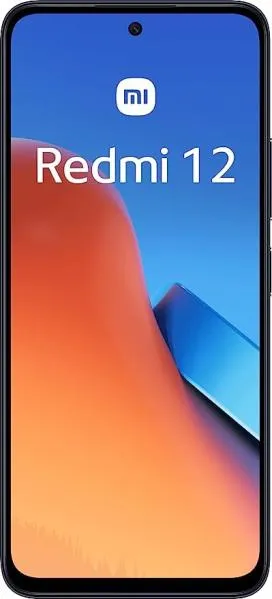
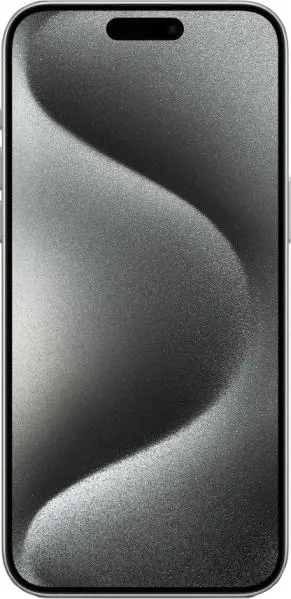
| Feature | Xiaomi Redmi 12 | Apple iPhone 15 Pro Max | Practical Impact |
|---|---|---|---|
| Design | |||
| Dimensions (mm) | 168.6 x 76.3 x 8.2 | 159.9 x 76.7 x 8.3 | Redmi 12 is taller and slightly wider; both are similarly thin. |
| Weight (g) | 198.5 | 221 | iPhone 15 Pro Max is noticeably heavier. |
| Build Material | Not specified | Titanium Frame, unspecified back | Durability and premium feel likely favor the iPhone, but Redmi's material is unknown. |
| Display | |||
| Display Type | IPS LCD | LTPO Super Retina XDR OLED | iPhone offers superior contrast, deeper blacks, and potentially better power efficiency due to LTPO. |
| Display Size (inches) | 6.79 | 6.7 | Negligible size difference. |
| Resolution | 1080 x 2460 | 1290 x 2796 | iPhone has a sharper display with higher pixel density (460 ppi vs 396 ppi). |
| Refresh Rate (Hz) | 90 | 120 | iPhone offers smoother scrolling and animations. |
| Peak Brightness (nits) | 550 | 2000 | iPhone gets significantly brighter, improving outdoor visibility. |
| HDR | No Dolby Vision | Dolby Vision | iPhone supports HDR content for a wider dynamic range and richer colors. |
| Performance | |||
| Chipset | Mediatek Helio G88 (12nm) | Apple A17 Pro (3nm) | A17 Pro is significantly more powerful, enabling faster processing, smoother multitasking, and better gaming performance. The 3nm process suggests superior efficiency. |
| CPU | Octa-core (2x2.0 GHz Cortex-A75 & 6x1.8 GHz Cortex-A55) | Hexa-core (2x3.78 GHz + 4x2.11 GHz) | iPhone's CPU architecture and clock speeds point to significantly faster performance. |
| GPU | Mali-G52 MC2 | Apple GPU (6-core) | iPhone's GPU is expected to provide a much better gaming and graphics-intensive task experience. |
| RAM | 4GB/8GB | 8GB | More RAM in some Redmi 12 versions could aid multitasking, but the iPhone's A17 Pro and OS optimization likely negate this advantage. |
| Camera | |||
| Main Camera (MP) | 50 | 48 | Megapixel count is similar, but iPhone's larger sensor (1/1.3") likely captures more light and detail. |
| Ultrawide (MP) | 8 | 12 | iPhone offers a higher resolution ultrawide. |
| Telephoto | No | Yes (5x Optical Zoom) | iPhone offers optical zoom for better image quality at longer distances. |
| Video Recording | 1080p@30fps | Up to 4K@60fps with Dolby Vision HDR | iPhone offers superior video resolution, frame rates, and dynamic range. |
| Battery | |||
| Capacity (mAh) | 5000 | 4441 | Redmi 12 has a larger battery capacity, but real-world battery life depends heavily on software and chip efficiency. |
| Charging Speed | Not specified | Not specified | Cannot compare charging speeds without more data. |
2. Key Differences Analysis
Xiaomi Redmi 12 Advantages:
- Potentially longer battery life: The larger 5000mAh battery could translate to longer usage between charges, but this is not guaranteed.
- Lower Price: The Redmi 12 is positioned in the medium price range, making it much more affordable.
Apple iPhone 15 Pro Max Advantages:
- Significantly higher performance: The A17 Pro chip provides a substantial leap in processing power, leading to a smoother and more responsive user experience.
- Superior display: The OLED display with higher resolution, refresh rate, and HDR support provides a vastly improved visual experience.
- More advanced camera system: The iPhone offers better image quality, optical zoom, and superior video recording capabilities.
- Premium build and materials: The use of titanium contributes to a more durable and premium feel.
3. User Profiles & Recommendations
Xiaomi Redmi 12: Budget-conscious users who prioritize basic functionality, long battery life, and affordability. Suitable for:
- Casual users primarily focused on calling, texting, and social media.
- Users who prioritize battery life over performance.
- Students or individuals on a tight budget.
Apple iPhone 15 Pro Max: Users who demand top-tier performance, a premium experience, and the best camera technology. Suitable for:
- Power users who engage in demanding tasks like gaming, video editing, or professional photography.
- Users who value a premium design and build quality.
- Content creators who need high-quality cameras for photo and video.
4. Decision Framework
Key Questions for Buyers:
- What is your budget? The price difference is significant.
- What are your primary smartphone usage patterns? Basic tasks vs. demanding applications.
- Which features do you prioritize most? Performance, camera, display, battery life.
My Choice: Apple iPhone 15 Pro Max
While significantly more expensive, the iPhone 15 Pro Max offers a vastly superior overall experience. The A17 Pro chip's performance, coupled with the stunning display, advanced camera system, and premium build, justifies the higher cost for my needs. I prioritize a smooth and responsive user experience, high-quality visuals, and the ability to capture excellent photos and videos. The Redmi 12, while offering good value for its price, simply cannot compete with the iPhone's overall package. The longevity offered by the iPhone's powerful hardware and consistent software updates also makes it a more compelling long-term investment. While battery life is a concern, I prioritize performance and features over potentially longer battery life.
