1. Specifications Comparison
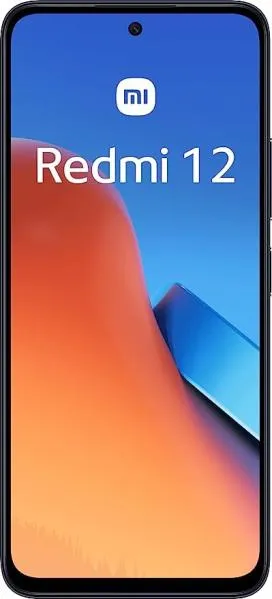
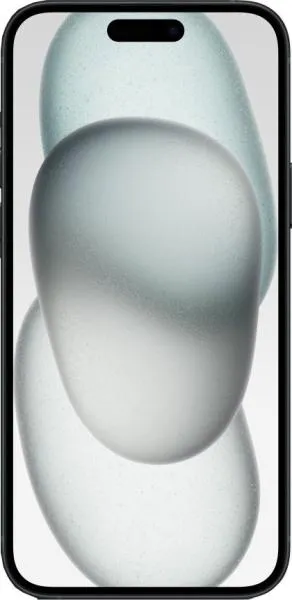
| Feature | Xiaomi Redmi 12 | Apple iPhone 15 Plus | Practical Impact |
|---|---|---|---|
| Design | |||
| Dimensions (mm) | 168.6 x 76.3 x 8.2 | 160.9 x 77.8 x 7.8 | iPhone 15 Plus is slightly shorter, narrower, and thinner. Redmi 12 might feel slightly larger in hand. |
| Weight (g) | 198.5 | 201 | Negligible weight difference in real-world usage. |
| Build Material | Unspecified | Aluminum & Glass | iPhone's build materials generally suggest a more premium feel and better durability. Lack of information on Redmi 12 limits comparison. |
| Display | |||
| Display Type | IPS LCD | Super Retina XDR OLED | OLED offers superior contrast, deeper blacks, and potentially better power efficiency. Redmi's LCD might be brighter in direct sunlight, but information on peak brightness is missing for both. |
| Display Size | 6.79" | 6.7" | Virtually identical screen real estate. |
| Resolution | 1080 x 2460 | 1290 x 2796 | iPhone 15 Plus has a sharper display with higher pixel density (460 ppi vs 396 ppi), resulting in clearer text and images. |
| Refresh Rate | 90Hz | Unspecified | Redmi 12's 90Hz offers smoother scrolling and animations. Without the iPhone 15 Plus' refresh rate, a direct comparison is impossible. It's likely 60Hz given its predecessor. |
| HDR | No Dolby Vision | Dolby Vision | iPhone supports Dolby Vision for enhanced video quality with wider color gamut and dynamic range. |
| Performance | |||
| Chipset | Mediatek Helio G88 (12nm) | Apple A16 Bionic (4nm) | A16 is significantly more powerful, offering much faster performance in demanding tasks, gaming, and multitasking. The 4nm process also implies better power efficiency. |
| CPU | Octa-core (2x2.0 GHz Cortex-A75 & 6x1.8 GHz Cortex-A55) | Hexa-core (2x3.46 GHz Everest + 4x2.02 GHz Sawtooth) | A16's architecture and higher clock speeds translate to a substantial performance advantage for the iPhone. |
| GPU | Mali-G52 MC2 | Apple GPU (5-core) | Apple's custom GPU is expected to provide a superior gaming and graphics rendering experience compared to the Redmi 12. |
| RAM | 4GB/8GB | 6GB | More RAM on the iPhone 15 Plus contributes to smoother multitasking and better performance with multiple apps open. While the Redmi 12 offers an 8GB option, the base 4GB might feel limited. |
| Camera | |||
| Main Camera | 50MP | 48MP | While Redmi has a higher megapixel count, iPhone's larger sensor (1/1.5" vs 1/2.76"), wider aperture (f/1.6 vs f/1.8), and advanced image processing likely result in better overall image quality, especially in low light. |
| Video Recording | 1080p@30fps | Up to 4K@60fps with HDR, Dolby Vision | iPhone offers significantly higher resolution and frame rate video recording capabilities, along with HDR and Dolby Vision support for superior video quality. |
| Battery | |||
| Capacity | 5000 mAh | 4383 mAh | Redmi 12 has a larger battery capacity, potentially offering longer battery life. However, real-world usage depends on various factors, including software optimization and display technology. |
2. Key Differences Analysis
Xiaomi Redmi 12 Advantages:
- Larger Battery: Potentially longer battery life.
- Higher Refresh Rate Screen: Smoother scrolling and animations (assuming iPhone 15 Plus is 60Hz).
- Lower Price: Significantly more affordable.
Apple iPhone 15 Plus Advantages:
- Significantly More Powerful: Much faster performance for demanding tasks and gaming due to A16 Bionic chip.
- Superior Display: OLED technology with higher resolution, sharpness, and HDR support.
- Better Camera System: Larger sensor, wider aperture, and advanced image processing capabilities for superior image and video quality.
- Premium Build Quality: Durable aluminum and glass construction.
- Longer Software Support: Typically receives OS updates for a longer period.
Trade-offs:
- Redmi 12 sacrifices performance, camera quality, and build quality for a lower price and potentially longer battery life.
- iPhone 15 Plus commands a premium price but delivers a significantly better overall user experience.
3. User Profiles & Recommendations
Xiaomi Redmi 12: Budget-conscious users prioritizing basic smartphone functionality, long battery life, and a smooth display for everyday tasks like browsing and social media. Suitable for light gaming and casual photography.
Apple iPhone 15 Plus: Users seeking a premium smartphone experience with top-tier performance, a high-quality display, excellent camera system, and long-term software support. Ideal for demanding tasks, mobile gaming, photography enthusiasts, and users deeply integrated into the Apple ecosystem.
4. Decision Framework
Key Questions for Buyers:
- What is your budget? The Redmi 12 is a budget-friendly option, while the iPhone 15 Plus is a premium device.
- What are your primary smartphone usage patterns? Casual use vs. demanding tasks, gaming, photography.
- How important are factors like performance, camera quality, display quality, and software updates?
Scenario-Based Recommendations:
- Limited Budget, Basic Usage: Redmi 12
- Balanced Budget, Moderate Usage: Consider higher RAM variant of Redmi 12
- Demanding User, Premium Experience: iPhone 15 Plus
My Choice: Apple iPhone 15 Plus
While the Redmi 12 offers excellent value for its price, the iPhone 15 Plus is the superior device overall. The A16 Bionic chip's significant performance advantage, the OLED display's superior quality, and the enhanced camera system are compelling reasons to choose the iPhone. While the battery capacity is smaller on paper, Apple's chip efficiency likely mitigates this difference in real-world usage. The longer software support and premium build quality further solidify the iPhone 15 Plus as the better long-term investment for my needs. I prioritize a smooth, powerful, and reliable experience, and I'm willing to pay a premium for it. While the Redmi 12 is a solid budget option, the iPhone 15 Plus better fits my usage and priorities.
