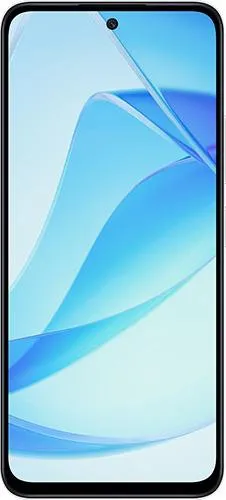
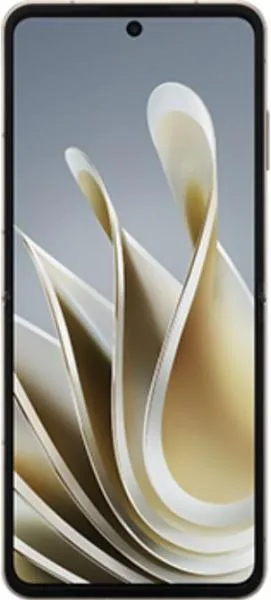
Xiaomi Redmi 12 5G vs. ZTE nubia Flip: A Tale of Two Experiences
Let's embark on a journey beyond the spec sheet, exploring the Xiaomi Redmi 12 5G and the ZTE nubia Flip as unique technological narratives, each designed to cater to different user needs and desires.
1. Design and Usability Assessment:
| Feature | Xiaomi Redmi 12 5G | ZTE nubia Flip | User Experience Impact |
|---|---|---|---|
| Form Factor | Traditional Slab | Foldable | The nubia Flip offers a compact folded size and a larger screen when unfolded, potentially enhancing portability and media consumption. |
| Display | 6.79" IPS LCD, 90Hz | 6.9" Foldable OLED, 120Hz | The nubia Flip's OLED offers richer colors and deeper blacks, while the 120Hz provides smoother animations. The folding mechanism, however introduces a crease and potential durability concerns. |
| Interface Design | Standard Android Skin | Custom Android Skin Optimized for Folding | Nubia's UI needs to seamlessly adapt to the folding screen, offering split-screen functionality and unique folded-state interactions. |
| Interaction Flow | Traditional Touchscreen Navigation | Foldable-Specific Gestures & Interactions | The nubia Flip's folding design necessitates innovative interaction paradigms, potentially increasing the learning curve. |
| Accessibility | Standard Android Accessibility Features | Potentially Enhanced for One-Handed Use | The Flip's compact folded size may improve one-handed usability, but the software needs to cater to diverse accessibility needs in both folded and unfolded states. |
| Design Ergonomics | Large, may feel bulky for some users | Compact when folded, heavier overall | The Redmi 12 may be more comfortable for extended single-hand use in its unfolded state, while the Flip excels in portability. |
2. Narrative-Driven Feature Exploration:
Scenario: The Daily Commute:
- Redmi 12 5G: Imagine effortlessly browsing news articles on the large, bright screen during your commute. The 90Hz refresh rate ensures smooth scrolling, while the long-lasting battery keeps you connected throughout the day.
- Nubia Flip: Picture yourself discreetly checking messages on the smaller cover display while on the train, then unfolding the phone to immerse yourself in a video during your lunch break. The compact folded size allows for convenient pocket storage.
3. Inclusive Technology Evaluation:
- Users with large hands: The Redmi 12 5G's larger size may be preferable.
- Users prioritizing portability: The nubia Flip's compact folded size offers a significant advantage.
- Users with visual impairments: Both devices rely on standard Android accessibility features. The nubia Flip's OLED screen with vibrant colors might offer a slightly better experience.
- Tech-savvy users: The nubia Flip's unique form factor and interactions may appeal to early adopters.
4. Design-Centric Decision Framework:
The choice boils down to prioritizing user experience:
- Prioritize Simplicity and Affordability: Redmi 12 5G
- Prioritize Innovation and Portability: Nubia Flip
My Choice: The ZTE nubia Flip
While the Redmi 12 5G offers a solid, familiar experience, the nubia Flip intrigues me with its innovative design and potential for transforming mobile interactions. The compact form factor, combined with the larger unfolded screen, presents a compelling proposition for portability and immersive media consumption. The higher refresh rate and OLED display promise a more vibrant visual experience. I am willing to embrace the learning curve associated with a new interaction paradigm for the sake of experiencing the future of mobile technology. However, I acknowledge that the durability and long-term usability of the folding screen are crucial factors that require further investigation.
