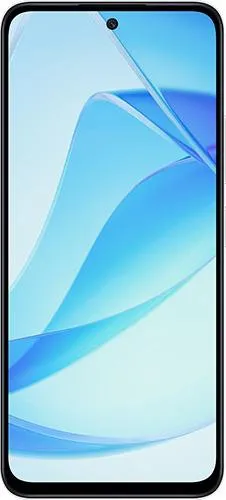
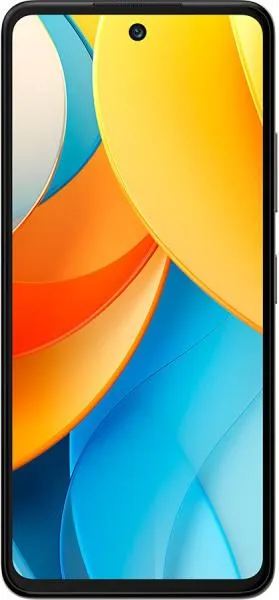
1. Specifications Comparison
| Feature | Xiaomi Redmi 12 5G | ZTE Blade V60 Design | Practical Impact |
|---|---|---|---|
| Design | |||
| Dimensions (mm) | 168.6 x 76.3 x 8.2 | 164.2 x 75.3 x 8.6 | Redmi 12 is slightly taller and narrower, but ZTE is thicker. Negligible difference in hand feel. |
| Weight (g) | 199 | 198 | Virtually identical weight. |
| Build Materials | Not specified | Not specified | Cannot compare build quality and durability without more information. |
| Display | |||
| Size (inches) | 6.79 | 6.6 | Redmi 12 has a slightly larger screen. |
| Type | IPS LCD | IPS LCD | Both use the same display technology, expecting similar color accuracy and viewing angles. |
| Resolution | 1080 x 2460 | 720 x 1612 | Redmi 12 has a significantly sharper display (396 ppi vs 267 ppi), resulting in clearer text and images. |
| Refresh Rate (Hz) | 90 | 90 | Both offer smooth scrolling and animations. |
| Peak Brightness (nits) | Not specified | Not specified | Cannot compare outdoor visibility without this information. |
| Performance | |||
| Chipset | Qualcomm Snapdragon 4 Gen 2 (4nm) | Unisoc T606 (12nm) | Redmi 12's Snapdragon chip is built on a smaller process node (4nm vs 12nm) and is generally more powerful and efficient. Expect smoother performance and better battery life on the Redmi 12. |
| CPU | Octa-core (2x2.2 GHz Cortex-A78 & 6x1.95 GHz Cortex-A55) | Octa-core (2x1.6 GHz Cortex-A75 & 6x1.6 GHz Cortex-A55) | Redmi 12 has faster and more powerful CPU cores, leading to noticeably better performance in demanding tasks and multitasking. |
| GPU | Adreno 613 | Mali-G57 MP1 | Redmi 12's GPU is more powerful, offering smoother gaming and faster graphics rendering. |
| RAM | 6GB | 6GB | Same RAM capacity, meaning similar multitasking capabilities. |
| Storage | 128GB | 256GB | ZTE offers double the storage, allowing for more apps, photos, and videos. |
| Other | |||
| Battery Capacity (mAh) | 5000 | 5000 | Identical battery capacity, but actual battery life will depend on software optimization and chipset efficiency. |
| OS | Android 13 | Android 13 | Both run on the same operating system. Redmi guarantees an update to Android 14. |
| NFC | No | Yes | ZTE offers NFC for contactless payments and other functionalities. |
| USB | USB Type-C | USB Type-C 2.0 | Both use modern USB-C ports, but the specific USB standard on the Redmi is not listed, limiting comparison. |
| Price Range | Medium | Low | ZTE is expected to be more affordable. |
2. Key Differences Analysis
Xiaomi Redmi 12 5G Advantages:
- Significantly better performance: The Snapdragon 4 Gen 2 chip offers a substantial performance advantage over the Unisoc T606, resulting in smoother multitasking, faster app loading, and better gaming capabilities.
- Sharper display: The higher resolution display provides a much clearer and more detailed viewing experience.
ZTE Blade V60 Design Advantages:
- Larger storage capacity: Double the storage allows for storing more files and apps.
- NFC functionality: Enables contactless payments and other NFC-based features.
- Lower price: Offers a more budget-friendly option.
3. User Profiles & Recommendations
Xiaomi Redmi 12 5G: Suitable for users who prioritize performance and display quality for tasks like gaming, media consumption, and multitasking. Good for those who don't mind paying a bit more for a smoother and more responsive experience.
ZTE Blade V60 Design: Ideal for budget-conscious users who prioritize storage space and NFC functionality. Suitable for basic tasks like calling, texting, browsing, and light media consumption. Less demanding gamers might also find this suitable.
4. Decision Framework
Key Questions for Buyers:
- What is your budget? The ZTE is a more budget-friendly option.
- What are your primary use cases? For demanding tasks and gaming, the Redmi 12 is superior. For basic usage and ample storage, the ZTE might suffice.
- How important is NFC? If contactless payments are essential, the ZTE is the only option.
Scenario-Based Recommendations:
- Student on a tight budget: ZTE Blade V60 Design
- Casual gamer: Xiaomi Redmi 12 5G
- Power user: Xiaomi Redmi 12 5G
My Choice: Xiaomi Redmi 12 5G
While the ZTE Blade V60 Design offers more storage and NFC at a lower price, the Xiaomi Redmi 12 5G's superior performance and significantly sharper display are more important factors for me. The Snapdragon 4 Gen 2 provides a much smoother and more responsive user experience, which I value greatly. The difference in screen resolution is substantial and would impact daily usage significantly. I can live without NFC and utilize cloud storage solutions if needed. The higher price of the Redmi 12 5G is justified by the noticeable improvements in performance and display quality, ultimately leading to a more enjoyable and satisfying user experience.
