1. Specifications Comparison
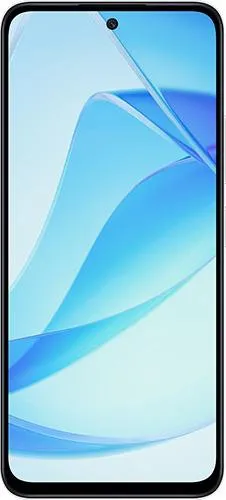
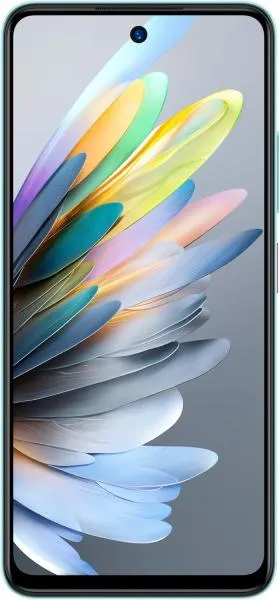
| Feature | Xiaomi Redmi 12 5G | ZTE Blade A75 4G | Practical Impact |
|---|---|---|---|
| Design | |||
| Dimensions | 168.6 x 76.3 x 8.2 mm | 164.1 x 75.8 x 8.6 mm | Redmi 12 slightly taller and wider, Blade A75 slightly thicker. Negligible difference in hand feel. |
| Weight | 199g | 189g | Blade A75 is slightly lighter, but the difference (10g) is minimal. |
| Build | Not specified | Not specified | Build quality and materials cannot be compared due to lack of information. |
| Display | |||
| Size | 6.79" | 6.6" | Redmi 12 offers a slightly larger screen for more immersive content consumption. |
| Type | IPS LCD, 90Hz | IPS LCD, 90Hz | Both have smooth 90Hz displays, but IPS LCD technology generally offers less vibrant colors and narrower viewing angles compared to AMOLED. |
| Resolution | 1080 x 2460 (FHD+) | 720 x 1612 (HD+) | Redmi 12 has significantly sharper display due to higher resolution, resulting in clearer text and images. |
| PPI | 396 | 267 | Noticeably higher pixel density on Redmi 12 translates to a sharper and more detailed image. |
| Brightness | 550 nits (typical) | Not Specified | Redmi 12's known typical brightness suggests better visibility outdoors, but a direct comparison is impossible without the Blade A75's brightness specification. |
| Performance | |||
| Chipset | Qualcomm Snapdragon 4 Gen 2 (4nm) | Unisoc T606 (12nm) | Snapdragon 4 Gen 2 is built on a smaller node (4nm vs 12nm), indicating better power efficiency and potentially higher performance than the Unisoc T606. |
| CPU | Octa-core (2x2.2 GHz Cortex-A78 & 6x1.95 GHz Cortex-A55) | Octa-core (2x1.6 GHz Cortex-A75 & 6x1.6 GHz Cortex-A55) | Redmi 12's CPU boasts faster cores, leading to smoother multitasking, faster app loading, and better overall performance. |
| GPU | Adreno 613 | Mali-G57 MP1 | Adreno 613 generally offers better gaming performance than the Mali-G57 MP1. |
| RAM | 6GB | 4GB | More RAM in the Redmi 12 allows for smoother multitasking and less frequent app closures in the background. |
| Storage | 128GB | 256GB | Blade A75 offers double the storage for more apps, photos, and videos. |
| Battery | |||
| Capacity | 5000 mAh | 5000 mAh | Identical battery capacity suggests similar battery life, but real-world usage may vary due to chipset efficiency and other factors. |
| Other | |||
| NFC | No | Yes | Blade A75 supports contactless payments and data transfer via NFC, while Redmi 12 does not. |
| OS | Android 13 | Android 13 | Both phones run on the same base Android version. |
| Price Range | Medium | Low | Blade A75 is expected to be more affordable. |
2. Key Differences Analysis
Xiaomi Redmi 12 5G Advantages:
- Significantly better performance: Superior chipset, CPU, and GPU translate to a smoother and faster user experience in all aspects.
- Sharper Display: Higher resolution and PPI result in a much clearer and more detailed visual experience.
- More future-proof: 5G connectivity provides faster internet speeds and better network coverage in areas where 5G is available.
ZTE Blade A75 4G Advantages:
- Larger Storage: Double the storage capacity allows for storing more files locally.
- NFC Support: Enables contactless payments and data transfer.
- Lower Price: More budget-friendly option.
3. User Profiles & Recommendations
Xiaomi Redmi 12 5G: Suitable for users who prioritize performance, display quality, and future-proofing with 5G. Ideal for gaming, media consumption, and multitasking.
ZTE Blade A75 4G: Best suited for budget-conscious users who need ample storage and NFC functionality. Good for basic tasks like calling, texting, browsing, and light media consumption. Less demanding users who prioritize value.
4. Decision Framework
Key Questions for Buyers:
- What is your budget? The Blade A75 is a more affordable option.
- What are your performance expectations? The Redmi 12 provides significantly better performance for demanding tasks and gaming.
- Do you need 5G or NFC? The Redmi 12 offers 5G, while the Blade A75 offers NFC.
Scenario-Based Recommendations:
- Tight budget and basic usage: ZTE Blade A75 4G
- Performance and future-proofing are important: Xiaomi Redmi 12 5G
My Choice: Xiaomi Redmi 12 5G
While the ZTE Blade A75 4G offers more storage and NFC at a lower price, the Xiaomi Redmi 12 5G's superior performance, sharper display, and 5G connectivity make it a more compelling choice for me. I prioritize a smooth and responsive user experience, which the Redmi 12's powerful processor and higher refresh rate display deliver. The future-proofing offered by 5G connectivity also outweighs the benefits of NFC and larger storage in the long run. The price difference is justifiable for the significant performance gains and overall better user experience.
