1. Specifications Comparison
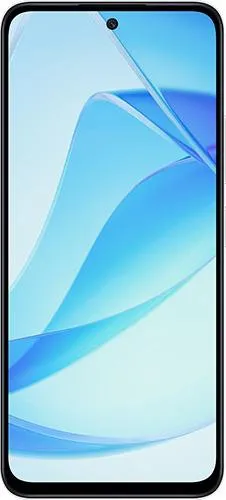
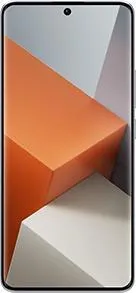
| Feature | Xiaomi Redmi 12 5G | Xiaomi Redmi Note 13 Pro+ | Practical Impact |
|---|---|---|---|
| Design | |||
| Dimensions | 168.6 x 76.3 x 8.2 mm | 161.4 x 74.2 x 8.9 mm | The Note 13 Pro+ is slightly shorter, narrower, but thicker. |
| Weight | 199g | 199g | Both phones have the same weight. |
| Fingerprint Sensor | Side-mounted | Under-display | Preference-based, but under-display is often perceived as more modern. |
| Display | |||
| Display Type | IPS LCD | AMOLED | AMOLED offers significantly better contrast, deeper blacks, and more vibrant colors. |
| Display Size | 6.79" | 6.67" | Negligible size difference. |
| Resolution | 1080 x 2460 | 1220 x 2712 | Note 13 Pro+ has a sharper display due to higher resolution and pixel density. |
| Refresh Rate | 90Hz | 120Hz | Note 13 Pro+ offers smoother scrolling and animations. |
| Peak Brightness | Not specified | 1800 nits | The Note 13 Pro+ will be significantly more visible in direct sunlight. The lack of information for the Redmi 12 5G makes a direct comparison impossible. |
| Performance | |||
| Chipset | Snapdragon 4 Gen 2 | Dimensity 7200 Ultra | The Dimensity 7200 Ultra offers significantly better performance in demanding tasks and gaming. |
| CPU | Octa-core (2x2.2 GHz Cortex-A78 & 6x1.95 GHz Cortex-A55) | Octa-core (2x2.8 GHz Cortex-A715 & 6x2.0 GHz Cortex-A510) | Note 13 Pro+ has a more powerful and efficient CPU architecture. |
| GPU | Adreno 613 | Mali-G610 MC4 | The Mali-G610 MC4 provides a noticeable improvement in graphics performance. |
| RAM/Storage | 128GB/6GB RAM | 256GB/12GB RAM, 512GB/8GB RAM, 512GB/12GB RAM | Note 13 Pro+ offers more RAM and storage options for better multitasking and larger file storage. |
| Camera | |||
| Video Capabilities | 1080p@30fps | Up to 4K@30fps, 1080p@120fps | The Note 13 Pro+ offers significantly better video recording capabilities including higher resolution and frame rates. |
| Battery | |||
| Capacity | 5000 mAh | 5000 mAh | Both phones have the same battery capacity. Real-world battery life will depend on usage and optimization. |
| Other | |||
| NFC | No | Yes | Note 13 Pro+ supports contactless payments and data transfer. |
| OS Updates | Up to Android 14 | Up to Android 16 | Note 13 Pro+ will receive longer software support and security updates. |
2. Key Differences Analysis
Redmi 12 5G Advantages:
- Potentially lower price (within the "medium price" range).
Redmi Note 13 Pro+ Advantages:
- Significantly better display: AMOLED with higher resolution, refresh rate, and peak brightness.
- Superior performance: More powerful chipset, CPU, and GPU for smoother multitasking and gaming.
- Enhanced camera features: Higher resolution and frame rate video recording.
- Longer software support: Guaranteed updates to Android 16.
- NFC: Enables contactless payments.
- More RAM and storage options.
Trade-offs:
- The Redmi Note 13 Pro+ likely comes at a higher price point within the "medium price" range.
3. User Profiles & Recommendations
Redmi 12 5G: Budget-conscious users who prioritize basic functionality and 5G connectivity. Suitable for light usage like web browsing, social media, and casual gaming.
Redmi Note 13 Pro+: Users who value a premium multimedia experience, smooth performance, mobile gaming, and longer software support. Suitable for demanding tasks, content creation, and gaming.
4. Decision Framework
Key Questions:
- What is your budget? The Note 13 Pro+ likely costs more.
- What are your primary smartphone uses? (e.g., gaming, photography, social media)
- How important are display quality, performance, and software updates to you?
Scenario-Based Recommendations:
- Tight budget, basic usage: Redmi 12 5G
- Balanced needs and budget: Consider both, leaning towards Note 13 Pro+ if the price difference is acceptable.
- Demand performance and premium features: Redmi Note 13 Pro+
My Choice: Redmi Note 13 Pro+
The Redmi Note 13 Pro+ offers a significantly better overall experience due to its superior display, performance, camera features, and longer software support. While the price might be higher, the added value justifies the investment for most users who want a future-proof device with a premium feel. The AMOLED display, 120Hz refresh rate, powerful Dimensity 7200 Ultra chipset, and extended software updates make it a compelling choice. The lack of peak brightness information for the Redmi 12 5G is a significant omission that hinders a full comparison but the overall package of the Note 13 Pro+ is clearly superior. Even if the Redmi 12 5G is noticeably cheaper, the difference in features would likely be felt in daily use.
