1. Specifications Comparison
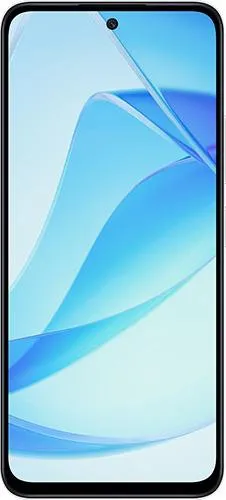
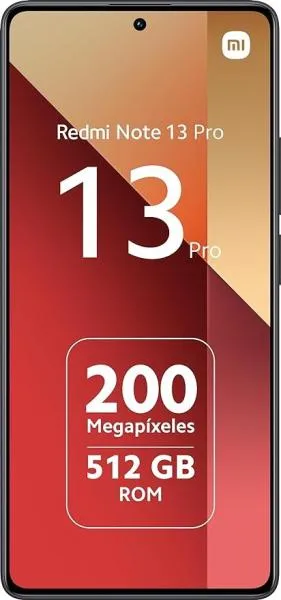
| Feature | Xiaomi Redmi 12 5G | Xiaomi Redmi Note 13 Pro 4G | Practical Impact |
|---|---|---|---|
| Design | |||
| Dimensions | 168.6 x 76.3 x 8.2 mm | 161.1 x 75 x 8 mm | Note 13 Pro is slightly smaller and may feel more comfortable in hand. |
| Weight | 199g | 188g | Note 13 Pro is noticeably lighter, reducing hand fatigue during extended use. |
| Fingerprint Sensor | Side-mounted | Under-display | Preference-based, but under-display sensors are often perceived as more modern. |
| Display | |||
| Display Type | IPS LCD | AMOLED | AMOLED offers significantly better contrast, deeper blacks, and potentially better power efficiency. |
| Display Size | 6.79" | 6.67" | Negligible size difference in practical usage. |
| Resolution | 1080 x 2460 | 1080 x 2400 | Virtually identical pixel density, resulting in similar sharpness. |
| Refresh Rate | 90Hz | 120Hz | 120Hz provides smoother scrolling and animations, resulting in a more fluid user experience. |
| Peak Brightness | Not specified | 1300 nits | Note 13 Pro's significantly higher peak brightness ensures better visibility in direct sunlight. Lack of data for Redmi 12 5G makes direct comparison impossible. |
| Performance | |||
| Chipset | Snapdragon 4 Gen 2 | Mediatek Helio G99 Ultra | Helio G99 Ultra likely offers slightly better CPU performance, particularly in multi-core tasks. Real-world performance differences might be subtle for average users. |
| CPU | Octa-core (2x2.2 GHz Cortex-A78 & 6x1.95 GHz Cortex-A55) | Octa-core (2x2.2 GHz Cortex-A76 & 6x2.0 GHz Cortex-A55) | While core configurations differ, performance will be similar. |
| GPU | Adreno 613 | Mali-G57 MC2 | Adreno 613 generally provides better gaming performance compared to Mali-G57 MC2. |
| RAM/Storage | 128GB/6GB | 256GB/8GB, 512GB/12GB | Note 13 Pro offers significantly more storage and RAM, enabling smoother multitasking and ample space for apps and files. |
| Camera | |||
| Video Capabilities | 1080p@30fps | 1080p@30/60fps | Note 13 Pro offers the flexibility of recording 1080p video at 60fps for smoother footage. |
| Other | |||
| Battery Capacity | 5000 mAh | 5000 mAh | Similar battery capacity, actual battery life depends on various factors including display, chipset, and software optimization. |
| NFC | No | Yes | NFC enables contactless payments and other convenient features. |
| OS Updates | Up to Android 14 | Up to Android 16 | Note 13 Pro will receive longer software updates and security patches. |
2. Key Differences Analysis
Redmi 12 5G Advantages:
- Potentially slightly better GPU performance for gaming.
Redmi Note 13 Pro 4G Advantages:
- Superior Display: AMOLED with higher refresh rate and peak brightness.
- More RAM and Storage: Better for multitasking and storing large files.
- Longer Software Support: Will receive updates for a longer period.
- NFC: Enables contactless payments.
- Lighter and Slightly Smaller: Improved handling and portability.
- Faster Charging: While wattage isn't specified for either, "Ultra" designation often includes faster charging technologies. This is an educated guess, not a confirmed fact.
Trade-offs: Redmi 12 5G offers 5G connectivity, which might be prioritized by some users over other features.
3. User Profiles & Recommendations
Redmi 12 5G: Budget-conscious users who prioritize 5G connectivity and acceptable gaming performance. Best for basic tasks like web browsing, social media, and casual gaming.
Redmi Note 13 Pro 4G: Users who value a superior display, smoother performance, more storage, and longer software support. Suitable for demanding tasks, media consumption, and mobile photography/videography. Better for long-term use due to extended software support.
4. Decision Framework
Key Questions:
- Is 5G connectivity a must-have? If yes, the Redmi 12 5G is the only option.
- How important is display quality and overall performance? If high, the Redmi Note 13 Pro 4G is the clear winner.
- What is your budget and expected usage pattern? Consider the price difference and features that align with your needs.
My Choice: Redmi Note 13 Pro 4G
While the Redmi 12 5G offers 5G, the Redmi Note 13 Pro 4G provides a significantly better overall user experience. The AMOLED display, higher refresh rate, increased RAM and storage, longer software support, NFC functionality, and lighter/smaller design are compelling advantages. For me, these benefits outweigh the lack of 5G and potential minor difference in GPU performance. The longer software support also ensures a longer usable life for the device, making it a better long-term investment. Unless 5G is an absolute requirement in your area right now, the Note 13 Pro 4G is the superior choice.
