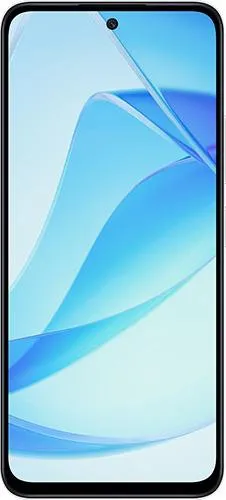
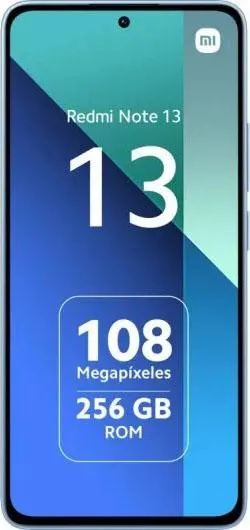
1. Specifications Comparison
| Feature | Category | Xiaomi Redmi 12 5G | Xiaomi Redmi Note 13 4G | Practical Impact |
|---|---|---|---|---|
| Dimensions | Design | 168.6 x 76.3 x 8.2 mm | 162.3 x 75.6 x 8 mm | Redmi Note 13 4G is slightly smaller and may feel more comfortable in hand. |
| Weight | Design | 199g | 188.5g | Redmi Note 13 4G is noticeably lighter, reducing hand fatigue during extended use. |
| Build | Design | Material information missing for both phones, limiting comparison. | ||
| Display Type | Display | IPS LCD, 90Hz | AMOLED, 120Hz | Redmi Note 13 4G offers deeper blacks, more vibrant colors, and smoother scrolling thanks to AMOLED and 120Hz refresh rate. |
| Display Size | Display | 6.79" | 6.67" | Negligible size difference; both offer large screens suitable for media consumption. |
| Resolution | Display | 1080 x 2460 | 1080 x 2400 | Virtually identical resolution; sharpness will be similar on both. |
| Peak Brightness | Display | 550 nits | 1800 nits | Redmi Note 13 4G is significantly brighter, ensuring excellent outdoor visibility even in direct sunlight. Redmi 12 5G may struggle in bright conditions. |
| Chipset | Performance | Snapdragon 4 Gen 2 (4nm) | Snapdragon 685 (6nm) | Redmi Note 13 4G boasts a more powerful chipset, resulting in smoother multitasking, faster app loading, and better gaming performance. |
| CPU | Performance | Octa-core (2x2.2 GHz A78 & 6x1.95 GHz A55) | Octa-core (4x2.8 GHz A73 & 4x1.9 GHz A53) | Redmi Note 13 4G has a higher clock speed and more powerful cores, translating to better overall performance. |
| GPU | Performance | Adreno 613 | Adreno 610 | While Redmi 12 5G's GPU is newer, performance differences will likely be minimal in everyday use. |
| RAM | Performance | 6GB | 8GB | Redmi Note 13 4G's extra RAM allows for better multitasking and smoother performance when running multiple apps. |
| Storage | Performance | 128GB | 128GB/256GB | Redmi Note 13 4G offers a 256GB storage option, catering to users with higher storage needs. |
| Battery | Battery | 5000mAh | 5000mAh | Similar battery capacity; real-world battery life will depend on usage and software optimization. |
| OS Updates | Software | Up to Android 14 | Up to Android 16 | Redmi Note 13 4G will receive longer software support and security updates, crucial for long-term use. |
| NFC | Connectivity | No | Yes | Redmi Note 13 4G supports contactless payments and data transfer via NFC, a feature absent in the Redmi 12 5G. |
| Main Camera | Camera | Specifications missing for both main cameras, hindering comprehensive comparison. | ||
| Video Recording | Camera | 1080p@30fps | 1080p@30fps | Both offer basic video recording capabilities; no significant difference here. |
2. Key Differences Analysis
Redmi Note 13 4G Advantages:
- Superior Display: AMOLED with 120Hz refresh rate and significantly higher brightness for a premium visual experience.
- More Powerful Performance: Snapdragon 685 chipset and 8GB RAM deliver smoother overall performance.
- Longer Software Support: Guaranteed updates to Android 16 ensure security and feature upgrades for a longer period.
- NFC Functionality: Enables contactless payments and data transfer.
- More Storage Options: Availability of a 256GB variant caters to users with large storage demands.
Redmi 12 5G Advantages:
- 5G Connectivity: Offers faster mobile data speeds in areas with 5G coverage. This is a crucial advantage for future-proofing.
3. User Profiles & Recommendations
Redmi Note 13 4G: Ideal for users who prioritize display quality, performance, and longer software support. Suits those who consume a lot of media, play games, and value features like NFC for mobile payments.
Redmi 12 5G: Best suited for budget-conscious users who prioritize 5G connectivity above all else. A good option for those who mainly use their phones for browsing, social media, and basic tasks.
4. Decision Framework
Key Questions for Buyers:
- Is 5G connectivity a must-have? If yes, the Redmi 12 5G is the only option.
- How important is display quality and overall performance? If these are priorities, the Redmi Note 13 4G offers a significant upgrade.
- What is your budget and storage requirement? The Redmi Note 13 4G offers a 256GB option but might be slightly more expensive.
My Choice: Redmi Note 13 4G
While the Redmi 12 5G offers 5G, the Redmi Note 13 4G provides a significantly better overall user experience due to its superior AMOLED display, smoother performance with the Snapdragon 685 and 8GB of RAM, longer software support, NFC functionality, and greater storage options. The benefits of a better display, performance, and longer software updates outweigh the advantages of 5G, especially considering that widespread 5G adoption still has time to fully mature. The slightly higher potential price for the Redmi Note 13 4G is justified by the substantial upgrade in features and overall quality.
