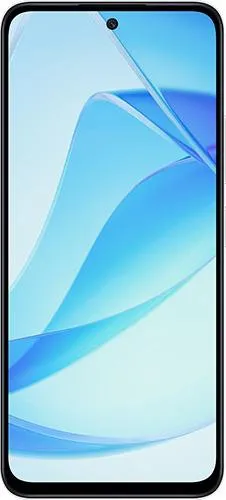
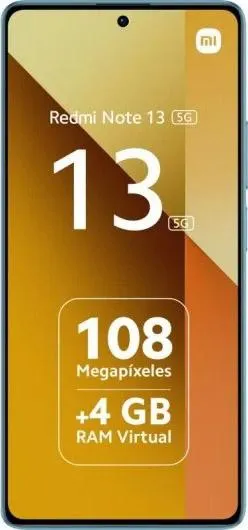
1. Specifications Comparison
| Feature | Xiaomi Redmi 12 5G | Xiaomi Redmi Note 13 | Practical Impact |
|---|---|---|---|
| Design | |||
| Dimensions (mm) | 168.6 x 76.3 x 8.2 | 161.1 x 75 x 7.6 | Redmi Note 13 is slightly smaller and thinner, potentially more comfortable for one-handed use. |
| Weight (g) | 199 | 174.5 | Redmi Note 13 is noticeably lighter, reducing hand fatigue during extended use. |
| Build Materials | Not specified | Not specified | Cannot compare build quality and durability without material information. |
| Display | |||
| Display Type | IPS LCD | AMOLED | AMOLED offers richer colors, deeper blacks, and better power efficiency in dark mode. |
| Display Size (inches) | 6.79 | 6.67 | Negligible difference in screen real estate. |
| Resolution | 1080 x 2460 | 1080 x 2400 | Virtually identical pixel density; sharpness will be similar. |
| Refresh Rate (Hz) | 90 | 120 | 120Hz provides smoother scrolling and animations, especially noticeable in gaming and fast-paced content. |
| Peak Brightness (nits) | Not specified | 1000 | Redmi Note 13's higher peak brightness ensures better visibility in direct sunlight. |
| Performance | |||
| Chipset | Qualcomm Snapdragon 4 Gen 2 (4nm) | Mediatek Dimensity 6080 (6nm) | Both offer decent performance for everyday tasks, but benchmarks are needed for a detailed comparison. Dimensity 6080 uses a slightly older fabrication process (6nm vs 4nm). |
| CPU | Octa-core (2x2.2 GHz Cortex-A78 & 6x1.95 GHz Cortex-A55) | Octa-core (2x2.4 GHz Cortex-A76 & 6x2.0 GHz Cortex-A55) | Core architecture differences and clock speeds suggest the Note 13 might offer slightly better CPU performance. Real-world performance depends on optimization. |
| GPU | Adreno 613 | Mali-G57 MC2 | Performance differences will be apparent in graphically demanding tasks like gaming. Further benchmarks are needed for a conclusive comparison. |
| RAM/Storage | 128GB/6GB RAM | 256GB/8GB RAM, 256GB/12GB RAM | Redmi Note 13 offers more RAM and storage in its base configuration, enabling smoother multitasking and more space for apps and files. |
| Other | |||
| Battery Capacity (mAh) | 5000 | 5000 | Identical battery capacity; actual battery life will depend on software optimization and usage patterns. |
| OS | Android 13 | Android 13 | Both launch with Android 13, but Note 13 is promised updates to Android 16, providing longer software support. |
| NFC | No | Yes | Redmi Note 13 supports NFC for contactless payments and other functionalities. |
| Price Range | Medium | Low | Redmi Note 13 offers more competitive features for its price point. |
2. Key Differences Analysis
Redmi 12 5G Advantages:
- Potentially slightly better power efficiency due to the 4nm chipset. Requires real-world testing to confirm.
Redmi Note 13 Advantages:
- Superior Display: AMOLED with 120Hz refresh rate and higher brightness provides a significantly better visual experience.
- More Powerful: While specific benchmark comparisons are needed, the CPU and GPU configuration suggests better performance for demanding tasks.
- Larger Memory and Storage: More RAM and storage options improve multitasking and storage capacity.
- Longer Software Support: Guaranteed updates to Android 16 ensures longer security and feature updates.
- NFC: Enables contactless payments and other convenient features.
- Lower Price: Offers a compelling price-to-performance ratio.
3. User Profiles & Recommendations
Redmi 12 5G: Users on a tighter budget who prioritize basic functionality and 5G connectivity.
Redmi Note 13: Users who value a superior display, smoother performance, future-proof software, more storage, NFC functionality, and excellent value for their money. Suitable for multimedia consumption, gaming, and everyday tasks.
4. Decision Framework
Key Questions:
- What is your budget? The Redmi Note 13 offers superior features at a lower price.
- How important is display quality? The AMOLED display on the Note 13 is a significant upgrade.
- Do you need NFC for contactless payments? This is exclusive to the Redmi Note 13.
Scenario-Based Recommendations:
- Limited Budget, Basic Use: Redmi 12 5G
- Balanced Performance and Price: Redmi Note 13
- Multimedia Enthusiast, Gamer: Redmi Note 13
My Choice: Redmi Note 13
The Redmi Note 13 offers a significantly better overall package. The AMOLED display, 120Hz refresh rate, larger RAM and storage, longer software support, NFC functionality, and lower price make it a clear winner. The slight difference in chipset efficiency is unlikely to outweigh the numerous advantages of the Note 13 in real-world usage. While we lack specific benchmark data and build material information, the available specifications strongly favor the Redmi Note 13 for most users. The value proposition of the Note 13 is simply much stronger.
