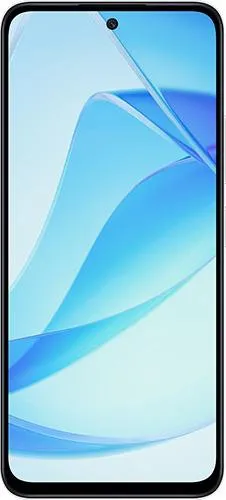
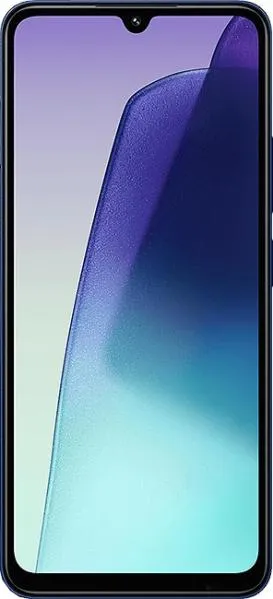
1. Specifications Comparison
| Feature | Xiaomi Redmi 12 5G | Xiaomi Redmi 14C | Practical Impact |
|---|---|---|---|
| Design | |||
| Dimensions (mm) | 168.6 x 76.3 x 8.2 | 171.9 x 77.8 x 8.2 | Redmi 14C is slightly larger and wider. |
| Weight (g) | 199 | 211 | Redmi 12 5G is noticeably lighter. |
| Display | |||
| Size (inches) | 6.79 | 6.88 | Redmi 14C has a slightly larger screen. |
| Type | IPS LCD | IPS LCD | Both use the same display technology, implying similar color accuracy and viewing angles. |
| Resolution | 1080 x 2460 (FHD+) | 720 x 1640 (HD+) | Redmi 12 5G has significantly sharper visuals due to higher resolution. |
| Refresh Rate (Hz) | 90 | 120 | Redmi 14C offers smoother scrolling and animations thanks to the higher refresh rate. |
| Brightness (nits) | 550 | 450 (typ), 600 (HBM) | Redmi 14C can get brighter in high brightness mode (HBM), improving outdoor visibility. Redmi 12 5G's typical brightness is higher which could result in better indoor visibility. |
| Performance | |||
| Chipset | Snapdragon 4 Gen 2 (4nm) | Mediatek Helio G81 Ultra | Snapdragon 4 Gen 2 is generally considered more power efficient due to the 4nm process. Performance differences may vary based on specific tasks. |
| CPU | Octa-core (2x2.2 GHz A78 & 6x1.95 GHz A55) | Octa-core (2x2.0 GHz A75 & 6x1.8 GHz A55) | Redmi 12 5G likely has a slight performance edge due to newer CPU architecture and higher clock speeds on performance cores. |
| GPU | Adreno 613 | Mali-G52 MC2 | Gaming performance might be slightly better on the Redmi 12 5G. |
| RAM/Storage | 128GB/6GB | 128GB/6GB RAM, 128GB/8GB RAM | Redmi 14C offers a configuration with 8GB RAM, potentially improving multitasking performance. |
| Connectivity | |||
| 5G | Yes | No | Redmi 12 5G offers faster cellular data speeds where available. |
| NFC | No | Yes | Redmi 14C supports contactless payments and data transfer. |
| Battery | |||
| Capacity (mAh) | 5000 | 5160 | Redmi 14C has a slightly larger battery capacity, but actual battery life depends on various factors. |
| Other | |||
| OS | Android 13 | Android 14 | Redmi 14C comes with the latest Android version out of the box. |
2. Key Differences Analysis
Redmi 12 5G Advantages:
- Sharper Display: Higher resolution (FHD+) significantly improves clarity for media consumption and general usage.
- 5G Connectivity: Enables faster download and streaming speeds.
- Potentially Better Performance: Slightly more powerful and efficient chipset.
- Lighter Weight: More comfortable for extended use.
Redmi 14C Advantages:
- Higher Refresh Rate: Smoother scrolling and animations for a more fluid user experience.
- NFC: Enables contactless payments and other NFC functionalities.
- Larger Battery: Potential for slightly longer battery life.
- Latest Android OS: Comes with Android 14 pre-installed, offering newer features and potentially longer software support.
- More RAM option: 8GB RAM variant available for better multitasking.
3. User Profiles & Recommendations
Redmi 12 5G: Users who prioritize display quality, performance, and 5G connectivity. Suitable for media consumption, mobile gaming, and future-proofing.
Redmi 14C: Users who value a smooth display, NFC functionality, and the latest Android features. Ideal for budget-conscious users who need a reliable device for everyday tasks and prefer contactless payments.
4. Decision Framework
Key Questions for Buyers:
- Is 5G connectivity crucial? If yes, Redmi 12 5G is the only option.
- Do you prioritize display sharpness or smoothness? Sharper display: Redmi 12 5G. Smoother scrolling: Redmi 14C.
- Is NFC a must-have feature? If yes, choose the Redmi 14C.
My Choice: Redmi 12 5G
While the Redmi 14C offers some advantages like a higher refresh rate and NFC, I would choose the Redmi 12 5G. The significantly sharper display (FHD+ vs HD+) is a major factor for me, as it drastically improves the overall viewing experience. Additionally, the potentially better performance and power efficiency of the Snapdragon 4 Gen 2, along with 5G connectivity for future-proofing, make the Redmi 12 5G a more compelling device in the long run. I'm willing to sacrifice a slightly smoother refresh rate and NFC for these benefits. The lighter weight is also a plus for comfortable daily use. The lack of clear information about peak brightness on both devices makes it difficult to properly evaluate their outdoor visibility, though.
