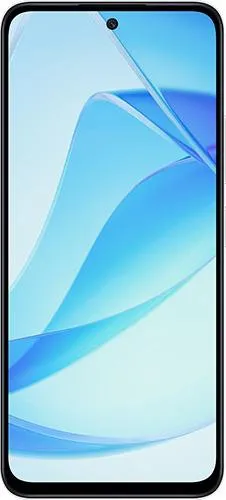
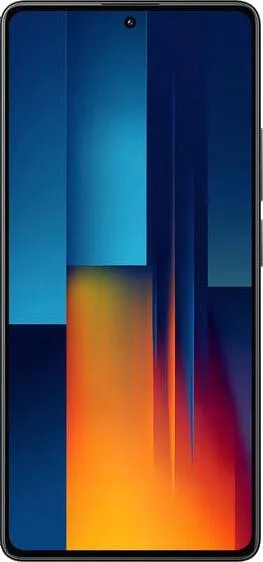
1. Specifications Comparison
| Feature | Xiaomi Redmi 12 5G | Xiaomi Poco M6 Pro | Practical Impact |
|---|---|---|---|
| Design | |||
| Dimensions | 168.6 x 76.3 x 8.2 mm | 161.1 x 75 x 8 mm | Poco M6 Pro is slightly smaller and might feel more comfortable in hand. |
| Weight | 199g | 179g | Poco M6 Pro is noticeably lighter, reducing hand fatigue during extended use. |
| Fingerprint Sensor | Side-mounted | Under-display | Personal preference; under-display is often considered more modern. |
| Display | |||
| Display Type | IPS LCD | AMOLED | AMOLED offers richer colors, deeper blacks, and better power efficiency in dark mode. |
| Display Size | 6.79" | 6.67" | Negligible size difference. |
| Resolution | 1080 x 2460 | 1080 x 2400 | Virtually identical sharpness. |
| Refresh Rate | 90Hz | 120Hz | Poco M6 Pro's 120Hz display provides smoother scrolling and animations. |
| Peak Brightness | Not specified | 1300 nits | Poco M6 Pro's significantly higher brightness ensures better visibility outdoors. Lack of Redmi 12's peak brightness data hinders a complete comparison. |
| Performance | |||
| Chipset | Snapdragon 4 Gen 2 | Mediatek Helio G99 Ultra | Both are mid-range chipsets, but Helio G99 Ultra might offer slightly better CPU performance while Snapdragon 4 Gen 2 boasts better power efficiency thanks to its 4nm fabrication process. Real-world performance would need benchmarking. |
| CPU | Octa-core (2x2.2 GHz Cortex-A78 & 6x1.95 GHz Cortex-A55) | Octa-core (2x2.2 GHz Cortex-A76 & 6x2.0 GHz Cortex-A55) | Similar CPU configurations, though architectural differences may lead to performance variations. |
| GPU | Adreno 613 | Mali-G57 MC2 | Adreno 613 generally offers better gaming performance. |
| RAM/Storage | 128GB/6GB | 512GB/12GB | Poco M6 Pro offers significantly more storage and RAM, enabling smoother multitasking and ample space for apps and files. |
| Camera | |||
| Video Capabilities | 1080p@30fps | 1080p@30/60fps (EIS) | Poco M6 Pro offers more video recording options including 60fps and Electronic Image Stabilization (EIS) for smoother footage. |
| Other | |||
| Battery | 5000 mAh | 5000 mAh | Similar battery capacity. Real-world battery life depends on usage and optimization. |
| NFC | No | Yes | Poco M6 Pro supports contactless payments and data transfer via NFC. |
| USB | USB Type-C | USB Type-C 2.0, OTG | Poco M6 Pro supports On-The-Go (OTG) for connecting peripherals like USB drives. |
2. Key Differences Analysis
Xiaomi Redmi 12 5G Advantages:
- Potentially better power efficiency: The 4nm Snapdragon chip might translate to longer battery life.
- Potentially smoother gaming: Adreno 613 GPU is generally favored for gaming.
Xiaomi Poco M6 Pro Advantages:
- Superior Display: AMOLED with 120Hz refresh rate and higher brightness.
- More RAM and Storage: Significantly larger capacity for smoother multitasking and more storage space.
- Enhanced Video Recording: 60fps and EIS for better quality videos.
- Added Features: NFC for contactless payments and OTG for connecting peripherals.
3. User Profiles & Recommendations
Xiaomi Redmi 12 5G: Budget-conscious users prioritizing battery life and decent gaming performance. Suitable for basic tasks, web browsing, and casual gaming.
Xiaomi Poco M6 Pro: Users prioritizing a premium display, smooth performance, ample storage, and features like NFC. Suitable for demanding tasks, multimedia consumption, mobile gaming, and users who need extensive storage.
4. Decision Framework
Key Questions for Buyers:
- What is your budget? The Redmi 12 5G likely comes at a lower price point.
- Is display quality a priority? The Poco M6 Pro offers a significantly better display.
- Do you need NFC or a large amount of storage? These features are only available on the Poco M6 Pro.
Scenario-based Recommendations:
- Limited budget, basic usage: Redmi 12 5G
- Focus on multimedia consumption and smooth performance: Poco M6 Pro
My Choice: Xiaomi Poco M6 Pro
While the Redmi 12 5G might offer slightly better battery life and gaming performance due to its GPU, the Poco M6 Pro provides a significantly better overall user experience. The AMOLED display with 120Hz is a major upgrade, and the additional RAM, storage, NFC, and improved video recording capabilities make it a more versatile device. The slightly higher price of the Poco M6 Pro is justified by these substantial improvements. The lack of peak brightness data for the Redmi 12 5G makes it difficult to fully assess the display, but the AMOLED technology of the Poco M6 Pro generally offers superior quality. The extra RAM and storage of the Poco M6 Pro would greatly benefit my usage, offering a future-proof device for demanding tasks and media storage.
