1. Specifications Comparison
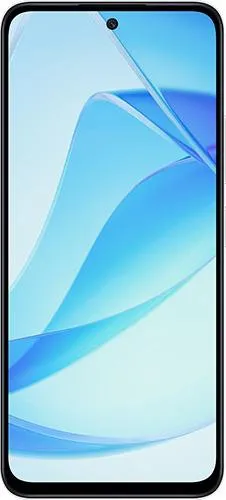
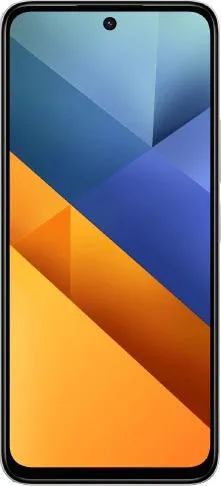
| Feature | Xiaomi Redmi 12 5G | Xiaomi Poco M6 4G | Practical Impact |
|---|---|---|---|
| Design | |||
| Dimensions (mm) | 168.6 x 76.3 x 8.2 | 168.6 x 76.3 x 8.3 | Virtually identical in size and feel. |
| Weight (g) | 199 | 205 | Negligible weight difference in daily use. |
| Colors | Moonstone Silver, Jade Black, Pastel Blue | Silver, Black, Purple | Primarily a matter of personal preference. |
| Display | |||
| Size (inches) | 6.79 | 6.79 | Identical screen size. |
| Type | IPS LCD, 90Hz, 550 nits | IPS LCD, 90Hz, 550 nits (HBM) | Very similar display quality; HBM (High Brightness Mode) on the Poco M6 4G might offer slightly better outdoor visibility, but we lack specific HBM brightness data to confirm. |
| Resolution | 1080 x 2460 | 1080 x 2460 | Same resolution, resulting in identical sharpness. |
| Refresh Rate (Hz) | 90 | 90 | Both offer smooth scrolling and animations thanks to the 90Hz refresh rate. |
| Performance | |||
| Chipset | Qualcomm Snapdragon 4 Gen 2 (4 nm) | Mediatek Helio G91 Ultra (12 nm) | The Snapdragon 4 Gen 2, built on a smaller 4nm process, is likely to be more power-efficient. The Helio G91 might offer slightly better peak performance in some tasks, but real-world differences might be subtle. |
| CPU | Octa-core (2x2.2 GHz Cortex-A78 & 6x1.95 GHz Cortex-A55) | Octa-core (2x2.0 GHz Cortex-A75 & 6x1.8 GHz Cortex-A55) | The Redmi 12 5G likely has a performance edge due to newer CPU cores and higher clock speeds. |
| GPU | Adreno 613 | Mali-G52 MC2 | Gaming performance might be slightly better on the Redmi 12 5G, but both are targeted for casual gaming. |
| RAM/Storage | 128GB/6GB RAM | 256GB/8GB RAM | The Poco M6 4G offers significantly more storage and RAM, beneficial for multitasking and storing large files. |
| Battery | |||
| Capacity (mAh) | 5000 | 5030 | Negligible difference in battery capacity. Real-world battery life will depend more on usage and software optimization. |
| Other | |||
| OS | Android 13 | Android 14 | Poco M6 4G ships with the newer Android version out of the box. Redmi 12 is expected to receive an update to Android 14. |
| NFC | False | True | NFC enables contactless payments and other functionalities; a significant advantage for the Poco M6 4G. |
| Price Range | Medium | Low | The Poco M6 4G offers better value for its price, considering its larger storage and RAM. |
2. Key Differences Analysis
Redmi 12 5G Advantages:
- More Power-Efficient Chipset: The 4nm Snapdragon 4 Gen 2 should result in better battery life compared to the 12nm Helio G91.
- Potentially Better Performance: Newer CPU architecture and higher clock speeds suggest a performance advantage for everyday tasks and potentially gaming.
- 5G Connectivity: Future-proofed with 5G connectivity for faster data speeds where available.
Poco M6 4G Advantages:
- More RAM and Storage: 8GB RAM and 256GB storage provide a smoother multitasking experience and ample space for files and apps.
- NFC: Enables contactless payments and other convenient features.
- Lower Price: Offers excellent value for money considering its specifications.
- Newer Android Version: Ships with Android 14, offering the latest features and security updates.
3. User Profiles & Recommendations
Redmi 12 5G: Users who prioritize 5G connectivity, slightly better performance, and potentially longer battery life.
Poco M6 4G: Users who prioritize value for money, ample storage and RAM, NFC functionality, and the latest Android version. Suitable for everyday tasks, media consumption, and casual gaming.
4. Decision Framework
Key Questions for Buyers:
- Is 5G connectivity crucial? If yes, the Redmi 12 5G is the only option.
- What is your budget? The Poco M6 4G provides excellent value in the lower price range.
- Do you need NFC for contactless payments? This is a significant advantage for the Poco M6 4G.
My Choice: Xiaomi Poco M6 4G
While the Redmi 12 5G offers 5G and potentially slightly better performance and battery life, the Poco M6 4G provides significantly better value. The combination of a larger RAM and storage (crucial for long-term usability), NFC functionality for contactless payments, a newer Android version, and a lower price makes it a more compelling option for most users. Unless 5G is an absolute necessity, the advantages of the Poco M6 4G outweigh the minor performance and efficiency gains of the Redmi 12 5G. The difference in chipset performance is likely to be negligible for average daily usage. The extra RAM and storage on the Poco M6 4G will provide a more enjoyable and future-proof user experience.
