1. Specifications Comparison
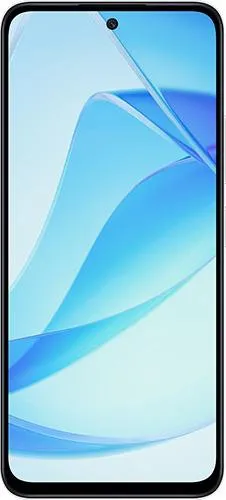
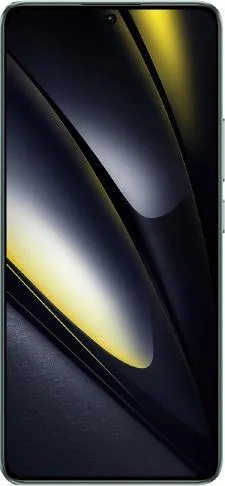
| Feature | Xiaomi Redmi 12 5G | Xiaomi Poco F6 | Practical Impact |
|---|---|---|---|
| Design | |||
| Dimensions | 168.6 x 76.3 x 8.2 mm | 160.5 x 74.5 x 8 mm | Poco F6 is slightly smaller and might feel more comfortable in hand. |
| Weight | 199g | 179g | Poco F6 is noticeably lighter, reducing hand fatigue during extended use. |
| Fingerprint Sensor | Side-mounted | Under-display | Preference-based; under-display is often considered more modern. |
| Display | |||
| Display Type | IPS LCD | AMOLED | Poco F6 offers richer colors, deeper blacks, and better power efficiency due to AMOLED technology. |
| Display Size | 6.79" | 6.67" | Negligible size difference. |
| Resolution | 1080 x 2460 | 1220 x 2712 | Poco F6 has a sharper display with higher pixel density (446 ppi vs 396 ppi), resulting in clearer text and images. |
| Refresh Rate | 90Hz | 120Hz | Poco F6 provides smoother scrolling and animations, enhancing the overall user experience. |
| Peak Brightness | Not specified | 2400 nits | Poco F6's significantly higher peak brightness ensures excellent outdoor visibility. The lack of peak brightness specification for Redmi 12 makes a direct comparison impossible. |
| Performance | |||
| Chipset | Snapdragon 4 Gen 2 | Snapdragon 8+ Gen 1 | Poco F6 boasts a significantly more powerful processor, enabling much faster performance in demanding tasks and gaming. |
| CPU | Octa-core (2x2.2 GHz Cortex-A78 & 6x1.95 GHz Cortex-A55) | Octa-core (1x3.0 GHz Cortex-X4 & 4x2.8 GHz Cortex-A720 & 3x2.0 GHz Cortex-A520) | The superior architecture and clock speeds of the Poco F6's CPU translate to a substantial performance advantage. |
| GPU | Adreno 613 | Adreno 735 | Poco F6's GPU offers significantly better graphics performance for gaming and visually demanding applications. |
| RAM/Storage | 128GB/6GB | 512GB/12GB | Poco F6 provides substantially more storage and RAM, allowing for smoother multitasking and ample space for apps and files. |
| Camera | |||
| Video Capabilities | 1080p@30fps | Up to 4K@60fps, 1080p@240fps | Poco F6 offers significantly better video recording capabilities with higher resolution, frame rates, and Electronic Image Stabilization (EIS). |
| Battery | |||
| Capacity | 5000 mAh | 5000 mAh | Similar battery capacity; however, real-world battery life will depend on usage and optimization. AMOLED display on the Poco F6 might offer better power efficiency. |
| Other | |||
| OS | Android 13 | Android 14 | Poco F6 comes with a newer Android version and likely longer software support. |
| NFC | No | Yes | Poco F6 supports contactless payments and data transfer via NFC. |
2. Key Differences Analysis
Xiaomi Redmi 12 5G Advantages:
- Potentially Lower Price: Likely more affordable given the lower-end specifications.
Xiaomi Poco F6 Advantages:
- Significantly Higher Performance: The Snapdragon 8+ Gen 1 offers a massive performance advantage for demanding tasks and gaming.
- Superior Display: AMOLED technology with higher resolution, refresh rate, and brightness delivers a vastly improved visual experience.
- More Storage and RAM: Provides ample space for apps, files, and smoother multitasking.
- Enhanced Camera Features: Offers superior video recording capabilities.
- Newer OS and NFC: Comes with Android 14 and includes NFC functionality.
3. User Profiles & Recommendations
Redmi 12 5G: Budget-conscious users who prioritize basic functionality (calling, texting, web browsing, social media) over high performance and premium features.
Poco F6: Users who demand high performance for gaming, content creation, or heavy multitasking, and appreciate a premium display and camera features.
4. Decision Framework
Key Questions for Buyers:
- What is your budget? The Redmi 12 5G likely offers better value for budget-conscious buyers.
- What are your primary use cases? For demanding tasks, gaming, or media consumption, the Poco F6 is the clear winner.
- How important are display quality and camera features? The Poco F6 significantly outperforms the Redmi 12 5G in these areas.
My Choice: Xiaomi Poco F6
While the Redmi 12 5G might be a good budget option, the Poco F6 offers a significantly better overall package. The superior processor, stunning AMOLED display, larger RAM and storage, and enhanced camera capabilities make it a much more compelling device for my needs. I prioritize performance, a smooth user experience, and a high-quality display, and the Poco F6 delivers on all fronts. While the price difference might be substantial, the long-term value and user experience offered by the Poco F6 make it the clear winner for me. The inclusion of NFC is a bonus for convenient mobile payments.
